
Tip 1: Stay Calm and Comfortable
Maintaining composure is as important for the nurse as it is for the patient. A calm approach reduces anxiety and improves the overall success of the procedure.
- Take a moment to center yourself before starting
- Ensure your posture is comfortable to maintain steady hands
Tip 2: Relax Your Patient
A relaxed patient makes veins more accessible and reduces discomfort.
- Pediatric patients may need extra attention: ensure they are warm to prevent vasoconstriction
- Encourage patients to breathe slowly and remain calm
Tip 3: Follow Infection Control Measures
IV insertion is an invasive procedure and requires strict aseptic technique:
- Wear gloves and follow hand hygiene protocols
- Clean the insertion site with alcohol or an antiseptic swab
- Maintain a sterile field to minimize risk of infection
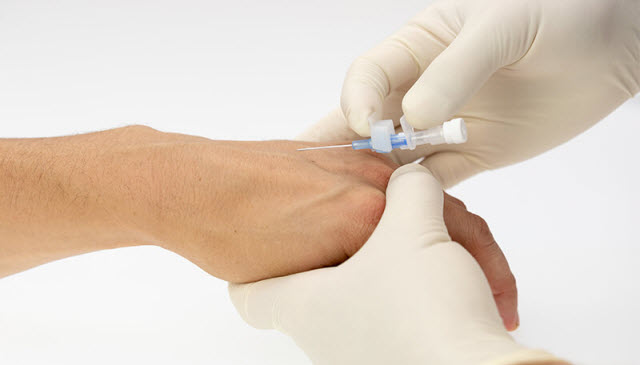
Tip 4: Anchor the Right Vein
Proper vein selection and stabilization is key to a successful IV.
Assessing the vein:
- Feel for suitable veins by touch
- Observe visual cues for firmness and elasticity
- Avoid fragile veins that may rupture
Techniques to improve vein visibility:
- Use gravity or warm compresses
- Flick, tap, or have the patient clench their fist
- Consider a vein locator or multiple-tourniquet method
Tip: Forearm and the back of the hand often provide the best combination of accessibility and patient comfort.
Tip 5: Choose the Appropriate Cannula Size
The size of the cannula impacts the procedure and infusion type:
| Cannula Size | Color | Recommended Use |
| 14G | Orange | Massive trauma situations |
| 16G | Gray | Surgery or large-volume infusions |
| 18G | Green | Blood transfusions, large-volume infusions |
| 20G | Pink | Multi-purpose; medications, hydration, routine therapies |
| 22G | Blue | Chemo infusions; small veins, pediatric or elderly patients |
| 24G | Yellow | Very fragile veins; pediatric or elderly patients |
Selecting the correct cannula reduces vein injury and improves success rate.
Tip 6: Correct Injection Angle
- Hold the catheter at a 15–30 degree angle with the bevel up
- Observe for flashback to confirm vein entry
- Once flashback is seen, advance the catheter and remove the needle
- Always inform your patient about each step to maintain comfort and safety
Tip 7: Practice, Practice, Practice
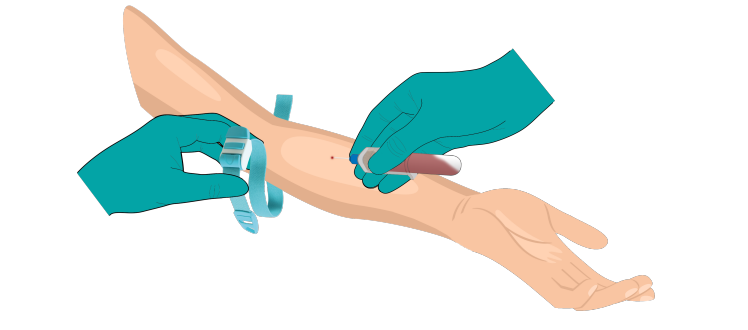
Consistent practice is crucial to mastering IV insertion and venipuncture.
- Simulate procedures repeatedly to build muscle memory
- Use realistic training models to practice vein selection, needle insertion, and securing the skin
Example tools: IV & phlebotomy practice kits provide safe, reusable, and realistic options for skill development
Practice builds confidence and reduces anxiety when performing procedures on real patients.
Conclusion
Mastering IV insertion and venipuncture requires a combination of knowledge, proper technique, and repeated practice. By following these tips:
- Staying calm
- Relaxing patients
- Following infection control
- Anchoring veins correctly
- Choosing appropriate cannula sizes
- Using the right injection angles
- Practicing regularly
New nurses can develop confidence and competence in IV skills.
For hands-on practice, consider using IV training arms or phlebotomy practice kits to safely improve your skills at your own pace.
Related Articles:

.jpg?w=1600&h=1600)
.jpg?w=1600&h=1600)
.jpeg?w=1600&h=1600)
.jpeg?w=1600&h=1600)
.jpeg?w=1500&h=1500)
.jpeg?w=1500&h=1500)

.jpeg?w=1500&h=1500)
.jpg?w=1600&h=1600)
.jpg?w=1600&h=1600)
.jpeg?w=1000&h=1000)
.jpeg?w=1000&h=1000)
.jpeg?w=800&h=800)
.jpeg?w=1500&h=1500)
.jpeg?w=1500&h=1500)
.jpeg?w=1500&h=1500)
.jpg?w=1500&h=1500)
.jpg?w=1500&h=1500)
.jpeg?w=1500&h=1500)
.jpeg?w=1500&h=1500)
.jpg?w=1600&h=1600)
.jpg?w=1600&h=1600)
.jpeg?w=1000&h=1000)
.jpeg?w=1000&h=1000)