
No, a phlebotomist cannot legally start an IV.
IV insertion is generally outside the scope of a phlebotomist's license.
Only RNs, and in some states LPNs or paramedics, are legally allowed to perform IV insertion.
Phlebotomists focus on blood collection and related procedures, which are critical but distinct from IV therapy.
Understanding this distinction helps ensure patient safety and compliance with healthcare regulations.
What Phlebotomists Learn
Phlebotomists study essential skills that support clinical care:
Blood Collection Techniques
- Proper vein selection and puncture
- Correct order of draw and tube handling
- Specimen labeling and handling for lab analysis
Laboratory Basics
- Understanding test requirements (e.g., some samples need to be chilled or shielded from light)
- Maintaining sample integrity and preventing contamination
Communication and Patient Care
- Explaining procedures to patients
- Ensuring comfort and reducing anxiety during blood draws
While these skills overlap with IV training, they do not authorize the phlebotomist to start IVs.
Differences Between Phlebotomy and IV Skills
Although phlebotomy and IV insertion both involve veins:
- Phlebotomy: focuses on short-term blood collection using needles.
- IV insertion: requires ongoing access for fluids or medications, including selecting catheter size, insertion angle, and monitoring infusion.
Why Prior Phlebotomy Experience Helps
- Experience in vein palpation and needle handling makes learning IV techniques easier
- Phlebotomists can practice IV skills safely using models before performing them clinically
Practicing IV Skills Safely
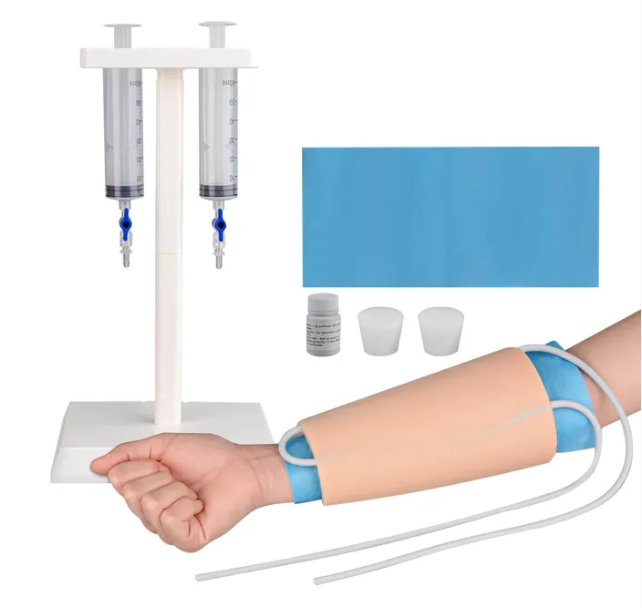
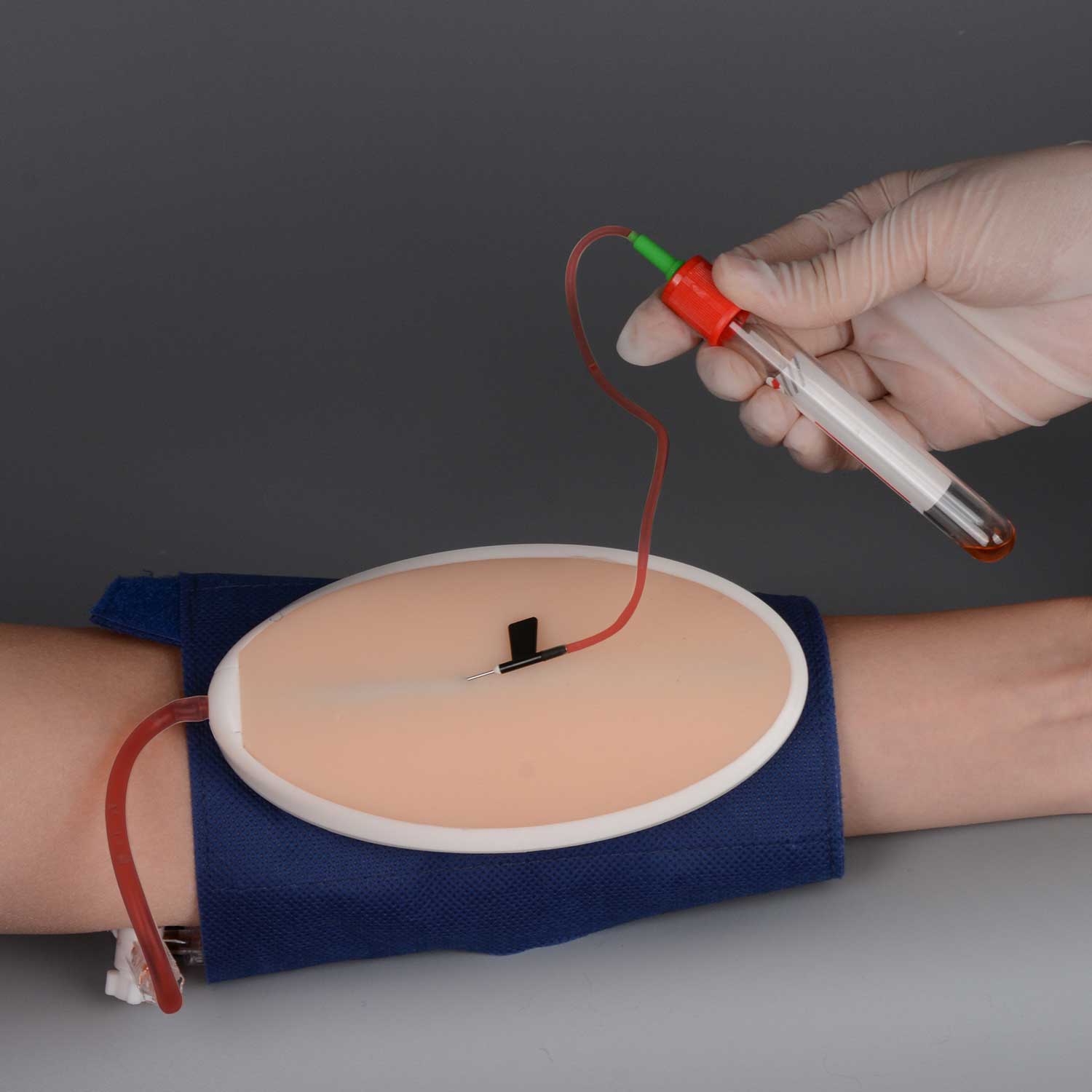
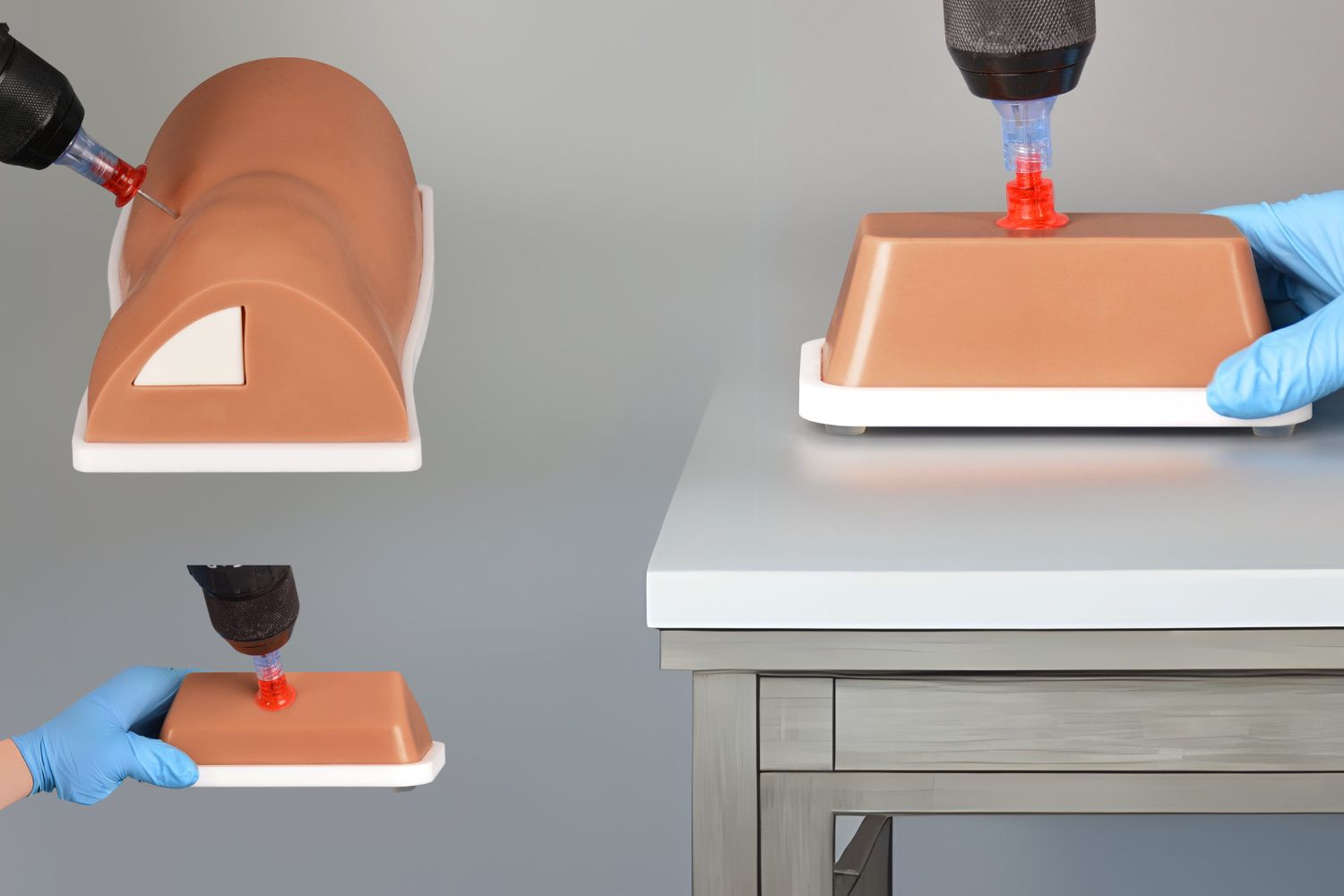
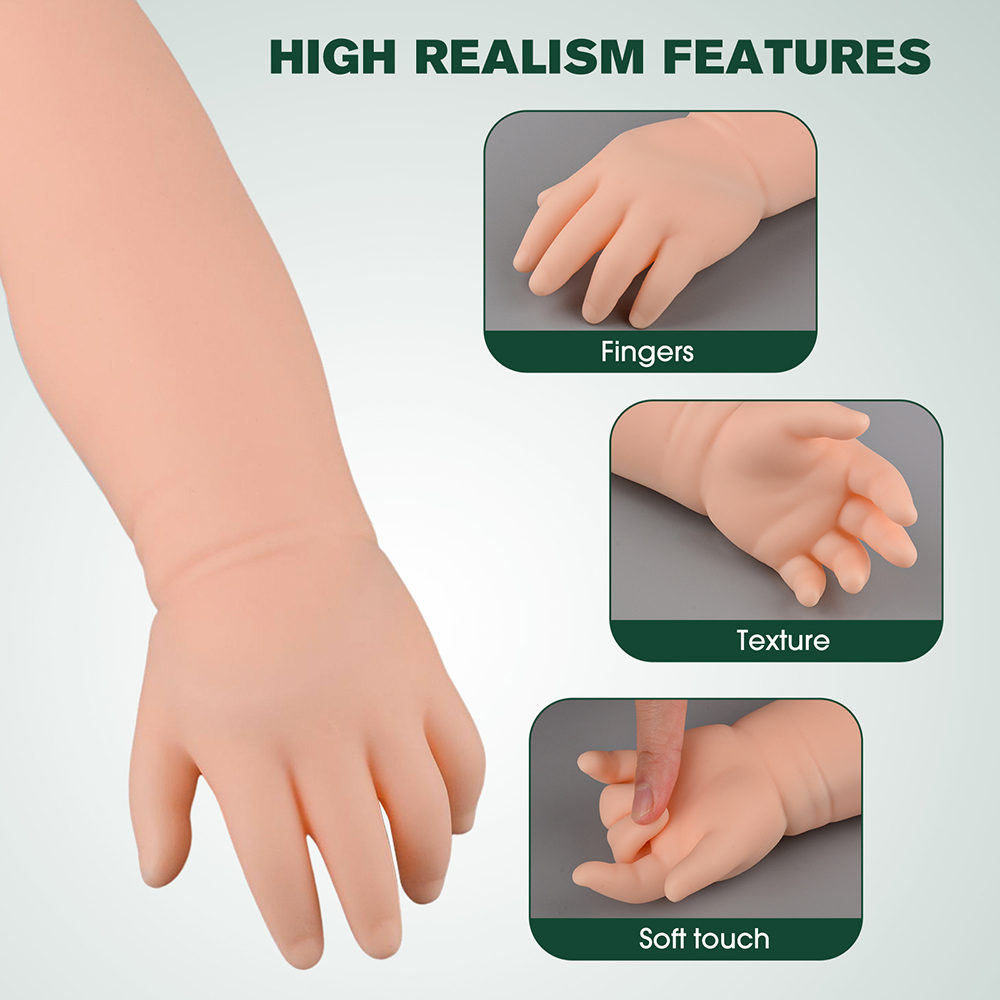
Nursing students and new nurses can safely practice IV insertion with training models instead of real patients:
These tools allow repeated practice of:
- Vein selection and visualization
- Needle insertion technique
- Securing the catheter and handling backflow ("flashback")
Further read:
Conclusion
Phlebotomists cannot start IVs legally, but their venipuncture skills provide a strong foundation for learning IV techniques.
Nursing students and new nurses should practice using realistic IV training arms and phlebotomy kits to build confidence and competence before performing procedures on patients.
Understanding the scope of practice ensures safety for both patients and healthcare professionals.
.jpeg?w=1500&h=1500) |
 |
 |
.jpeg?w=1500&h=1500) |
.jpg?w=1600&h=1600)
.jpg?w=1600&h=1600)
.jpeg?w=1600&h=1600)
.jpeg?w=1600&h=1600)
.jpeg?w=1500&h=1500)
.jpeg?w=1500&h=1500)
.jpeg?w=1500&h=1500)
.jpg?w=1600&h=1600)
.jpg?w=1600&h=1600)
.jpeg?w=1000&h=1000)
.jpeg?w=1000&h=1000)
.jpeg?w=800&h=800)
.jpeg?w=1500&h=1500)
.jpeg?w=1500&h=1500)
.jpeg?w=1500&h=1500)
.jpg?w=1500&h=1500)
.jpg?w=1500&h=1500)
.jpeg?w=1500&h=1500)
.jpeg?w=1500&h=1500)
.jpg?w=1600&h=1600)
.jpg?w=1600&h=1600)
.jpeg?w=1000&h=1000)
.jpeg?w=1000&h=1000)