
Difficult IV access is not just about "bad veins". It's usually a combination of patient factors, site selection, and insufficient hands-on preparation.
For nursing and medical students, mastering difficult IV access starts with understanding why IV placement becomes challenging and how to adapt your technique before clinical failure happens.
This guide focuses on practical decision-making and skill-building strategies that help students approach difficult IV access with confidence - both in training and real clinical settings.
1. What Makes IV Access Difficult?
Difficult IV access commonly occurs in patients with:
- Small, deep, or rolling veins
- Dehydration or chronic illness
- Obesity or edema
- Frequent IV history or chemotherapy exposure
For students, the challenge is often limited exposure to varied vein conditions, which makes real-world scenarios feel unpredictable.
2. Shifting from "Technique" to "Assessment"
Before inserting a cannula, experienced clinicians assess:
- Vein depth and elasticity
- Visibility vs palpability
- Stability during anchoring
- Patient movement risk
Students often focus on needle angle alone, but vein assessment is the real skill gap in difficult IV access.
3. Strategic Site Selection for Difficult IVs
Instead of defaulting to the easiest-looking vein, consider:
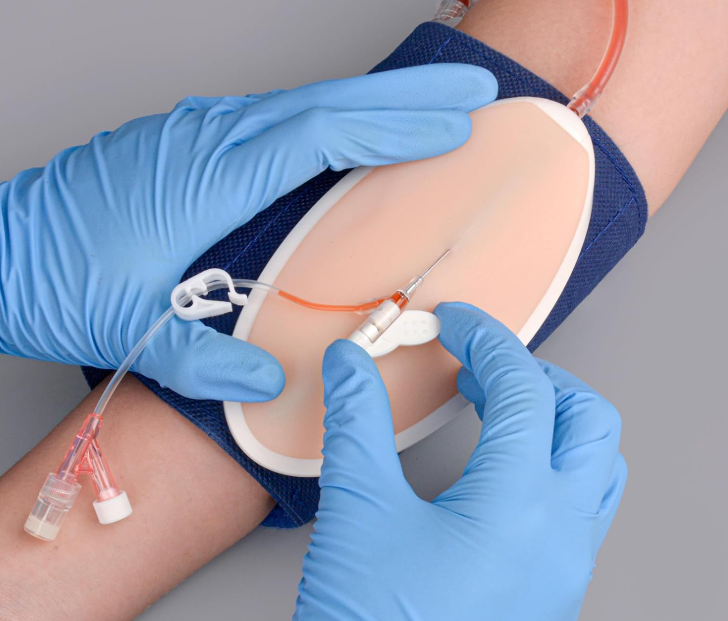
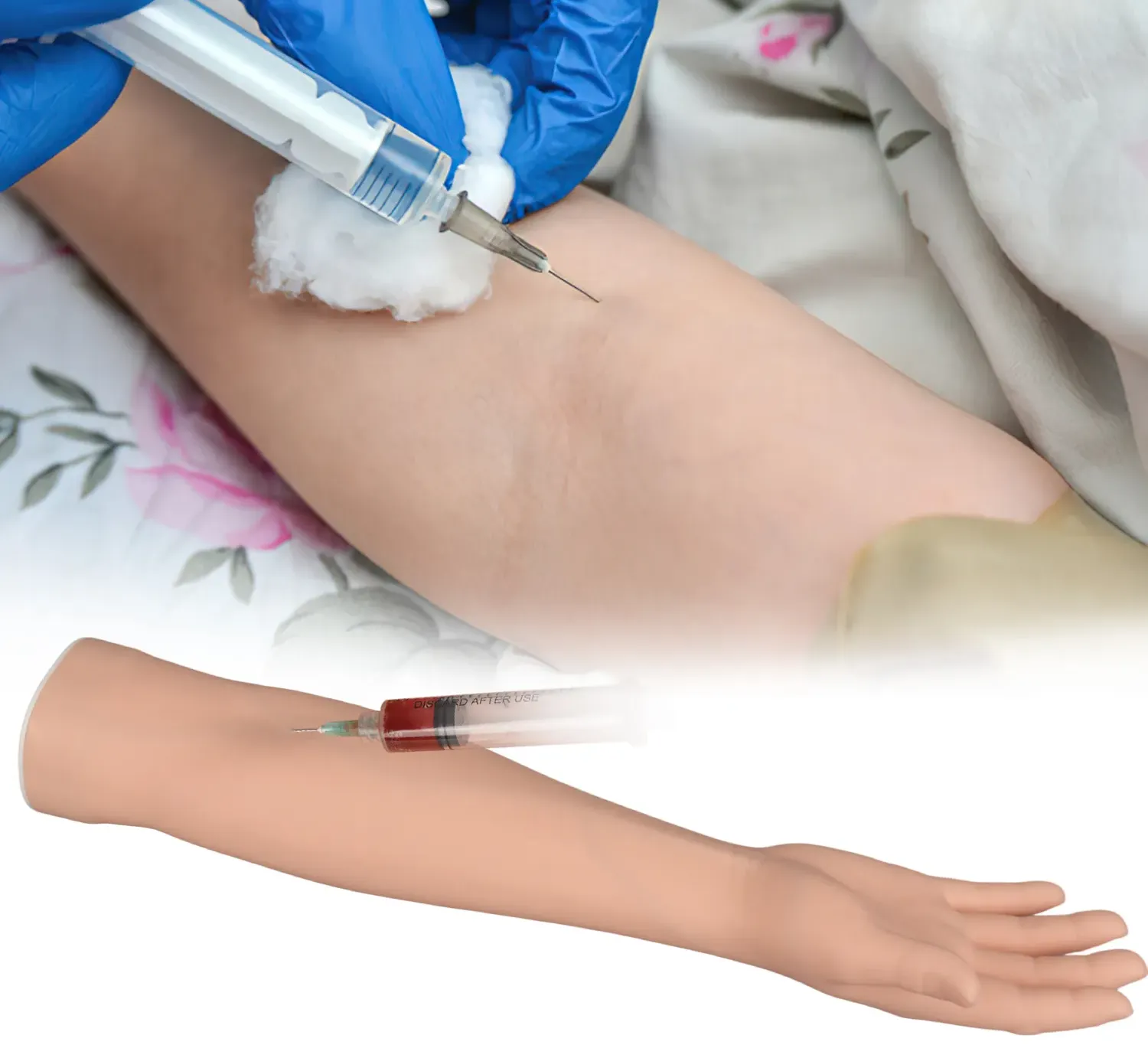
- Forearm veins: more stable, less rolling
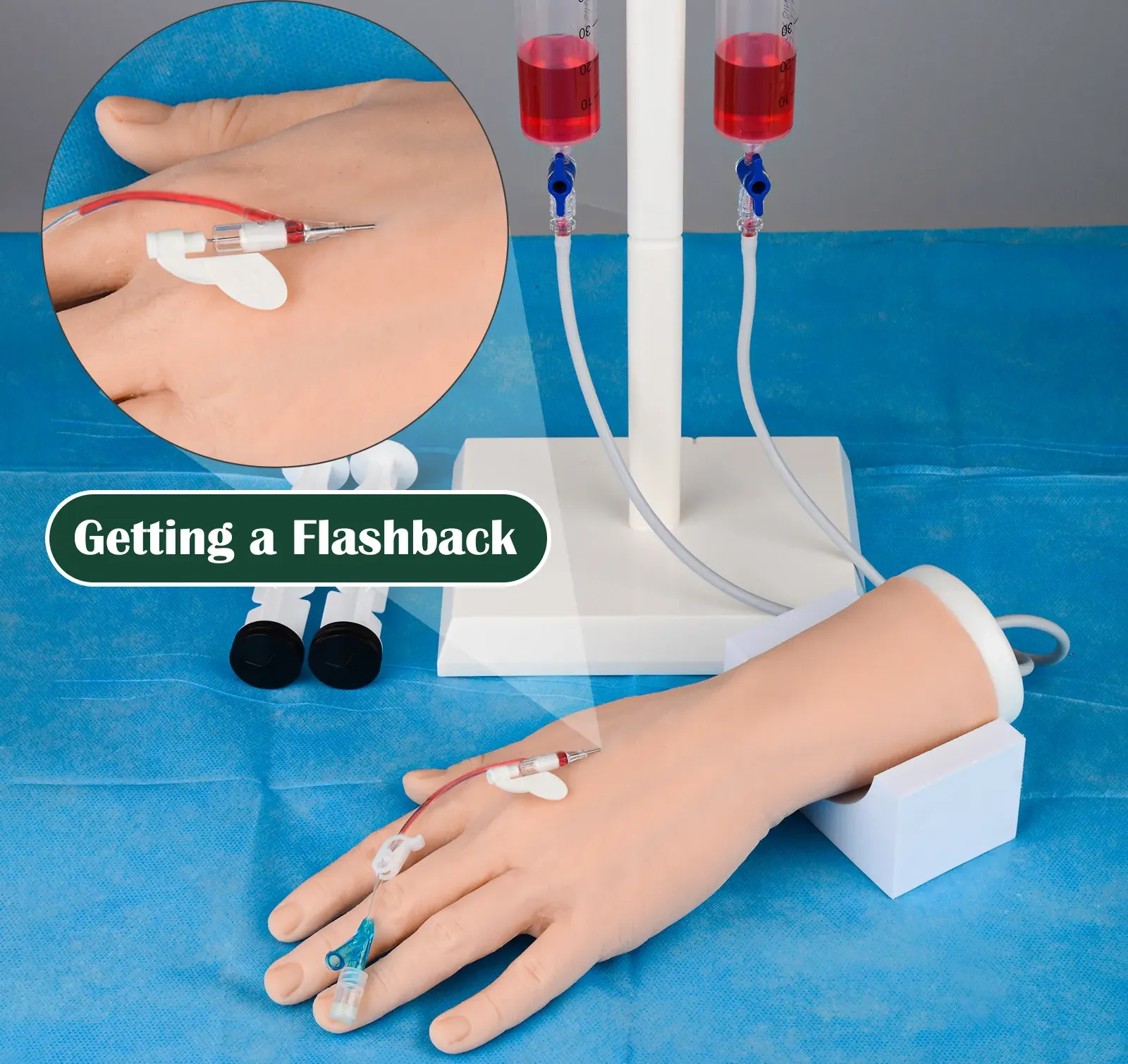
- Hand veins: visible but fragile - require precision
- Antecubital fossa: larger veins, but limit mobility
- Upper arm veins: advanced option requiring experience
Training across multiple anatomical sites prepares students for real clinical decision-making.
| Forearm veins | Hand veins | Antecubital fossa |
 |
 |
 |
4. Why Simulation Training Matters for Difficult IV Access
Difficult IV access cannot be mastered through observation alone.
Students need repeated practice on veins that:
Vary in depth and resistance
Simulate rolling and collapse
Require accurate palpation, not just visual cues
👉 Recommended Practice Tool: Ultrassist Advanced IV Practice Arm
Designed with deeper, less prominent veins to help students practice advanced cannulation strategies before clinical placement.
5. Building Confidence Before Clinical Placement
Consistent simulation practice helps students:
- Reduce hesitation during insertion
- Improve first-attempt success rates
- Develop tactile memory for vein identification
- Transition from "student mode" to clinical readiness
Mastering difficult IV access is less about perfection - and more about prepared adaptability.
Conclusion
Difficult IV access is an inevitable part of clinical practice.
For students, the key is not avoiding difficult veins, but learning how to approach them methodically and confidently.
With proper assessment skills, strategic site selection, and realistic practice tools, mastering difficult IV access becomes an achievable milestone - not an intimidating obstacle.
Related Articles:
.jpg?w=1600&h=1600)
.jpg?w=1600&h=1600)
.jpeg?w=1600&h=1600)
.jpeg?w=1600&h=1600)
.jpeg?w=1500&h=1500)
.jpeg?w=1500&h=1500)

.jpeg?w=1500&h=1500)
.jpg?w=1600&h=1600)
.jpg?w=1600&h=1600)
.jpeg?w=1000&h=1000)
.jpeg?w=1000&h=1000)
.jpeg?w=800&h=800)
.jpeg?w=1500&h=1500)
.jpeg?w=1500&h=1500)
.jpeg?w=1500&h=1500)
.jpg?w=1500&h=1500)
.jpg?w=1500&h=1500)
.jpeg?w=1500&h=1500)
.jpeg?w=1500&h=1500)
.jpg?w=1600&h=1600)
.jpg?w=1600&h=1600)
.jpeg?w=1000&h=1000)
.jpeg?w=1000&h=1000)