
"How can I practice phlebotomy or blood draw at home?"
This is a common question asked by nursing students who want to build confidence in venipuncture skills before entering clinical practice.
Before anything else, it is important to clarify one key point:
Practicing phlebotomy at home should never involve real people.
Home practice is intended for simulation training only, using phlebotomy practice arms or training models, not real patients, friends, or family members.
Is It Possible to Practice Phlebotomy at Home?
Years ago, many students practiced needle control using fruits such as oranges or bananas. While this helped with hand coordination, it could not simulate real veins, skin resistance, or blood return.
Today, medical training technology has advanced significantly. Realistic phlebotomy simulation tools now allow nursing students to practice blood draw techniques at home in a safe and controlled way. These tools help students:
- Understand vein location and depth
- Practice correct needle angle and insertion
- Build muscle memory before clinical exposure
Effective phlebotomy skills come from repeated hands-on practice, combined with theory, videos, and formal coursework.
What Does "Practicing Phlebotomy at Home" Mean?
In clinical settings, blood draw usually refers to venous blood collection, while phlebotomy broadly includes blood collection for diagnosis or treatment.
At home, however, phlebotomy practice means:
- Simulating venipuncture techniques
- Practicing hand positioning and needle control
- Learning proper procedural sequence
- Reinforcing infection control habits
All without involving real blood or real patients.
Preparation for At-Home Phlebotomy Practice
Before starting, prepare the following:
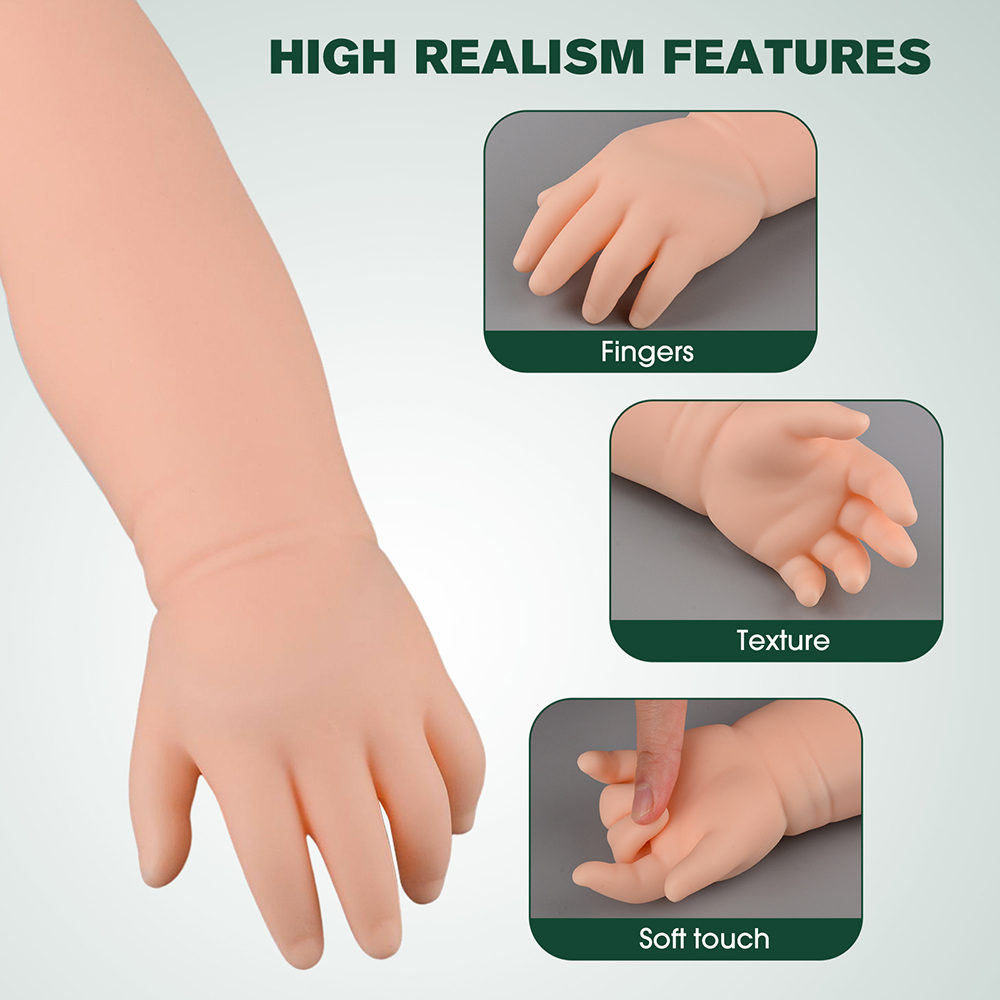
- A phlebotomy or IV training model (practice arm, hand, or wearable pad)
- Syringes or simulated blood collection devices
- Practice tubes for technique simulation
- Gloves, alcohol swabs, and a sharps container
Step-by-Step Phlebotomy Practice Procedure (Simulation Only)
1. Hand hygiene and gloves
Sanitize your hands and wear gloves to reinforce infection control habits.
2. Check equipment
Ensure the syringe and needle are securely connected and unobstructed.
3. Vein selection (simulation)
Position the practice arm palm-up and identify a suitable vein on the model.
4. Apply tourniquet
Place the tourniquet approximately 5–6 cm above the selected site. Simulate fist clenching without pumping.
5. Skin disinfection
Clean the simulated puncture site with an alcohol swab and allow it to air dry.
6. Needle insertion
Insert the needle at approximately a 15–30° angle, then reduce the angle once the simulated vein is entered.
7. Simulated blood return
Observe simulated flashback or resistance change, then proceed with controlled aspiration or tube insertion.
8. Complete the draw
Release the tourniquet before finishing the simulated blood collection.
9. Needle removal and disposal
Withdraw the needle safely and dispose of sharps according to training protocols.
Why Simulation Practice Is Essential for Nursing Students
Phlebotomy is only one of many injection-related skills nursing students must master. Others include:
- Venipuncture
- IV insertion
- Intradermal (ID) injections
- Subcutaneous (SC) injections
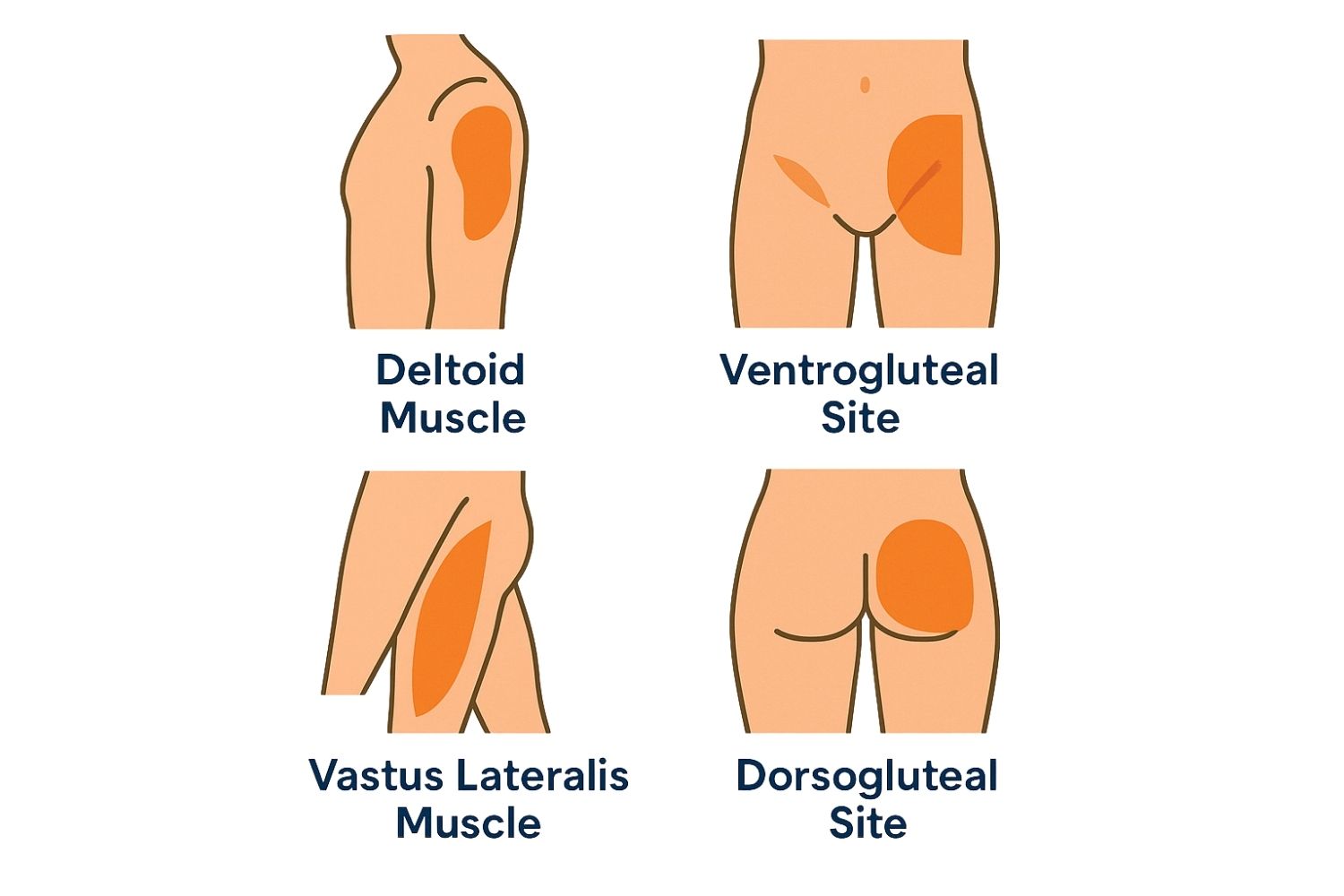
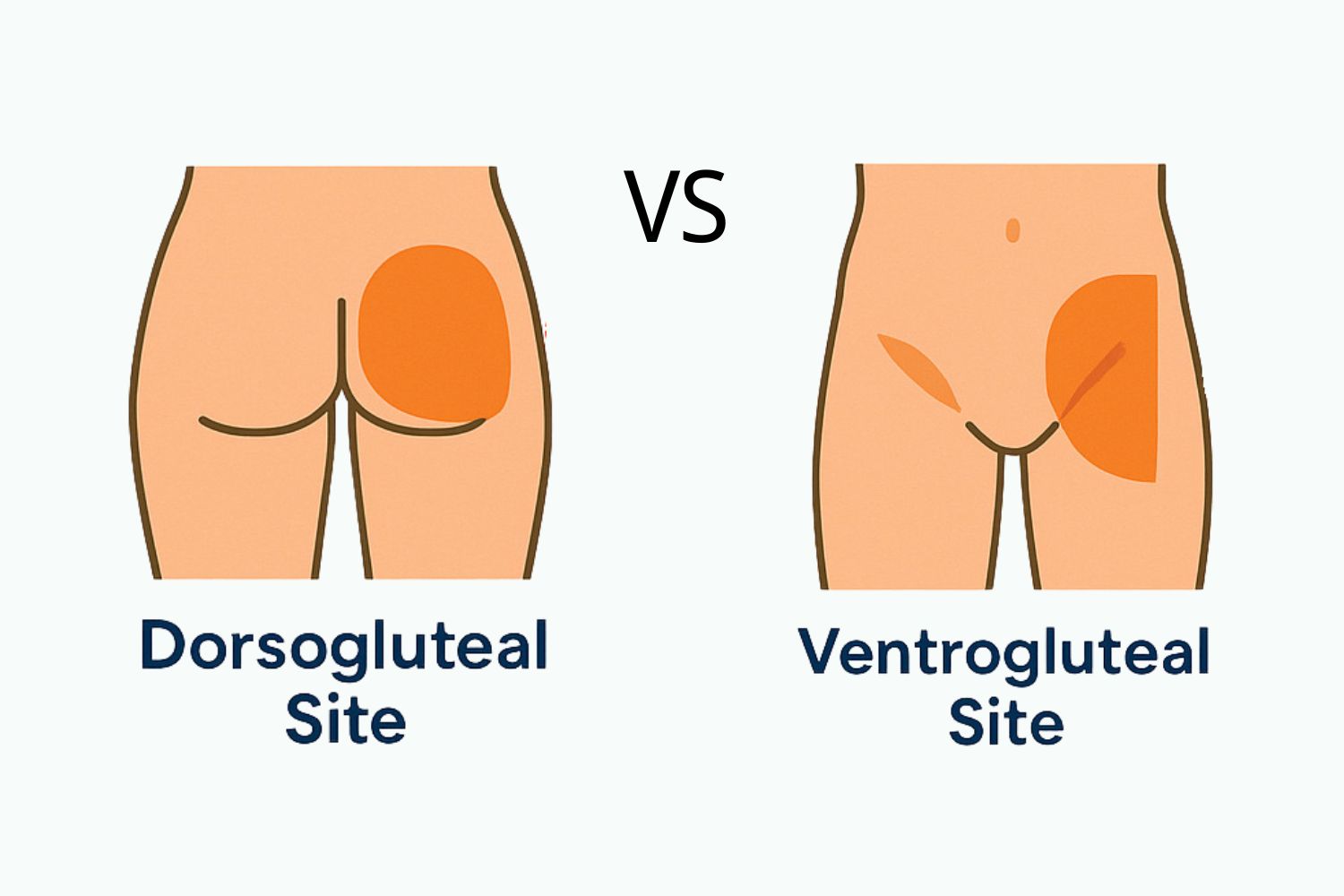
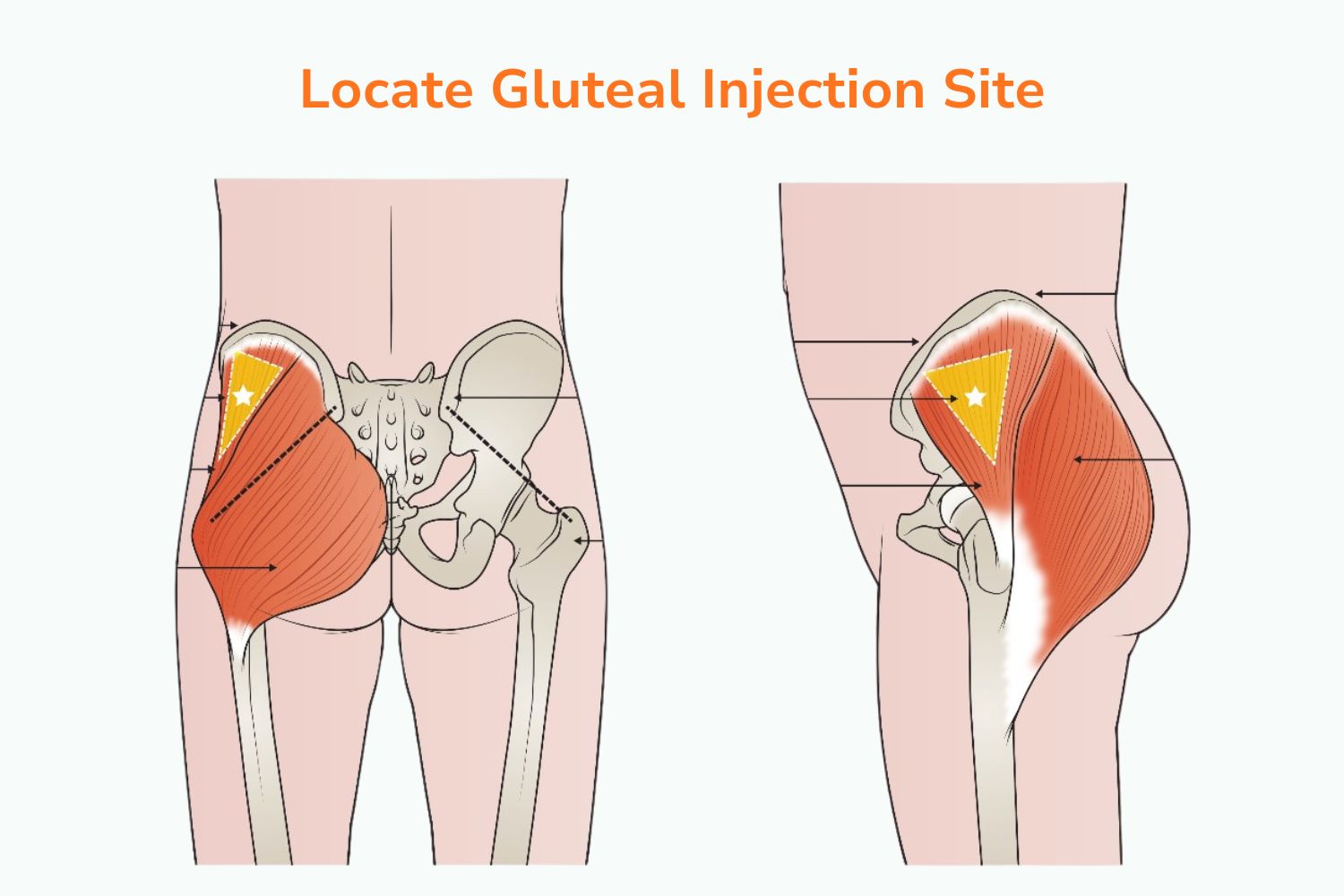
- Intramuscular (IM) injections
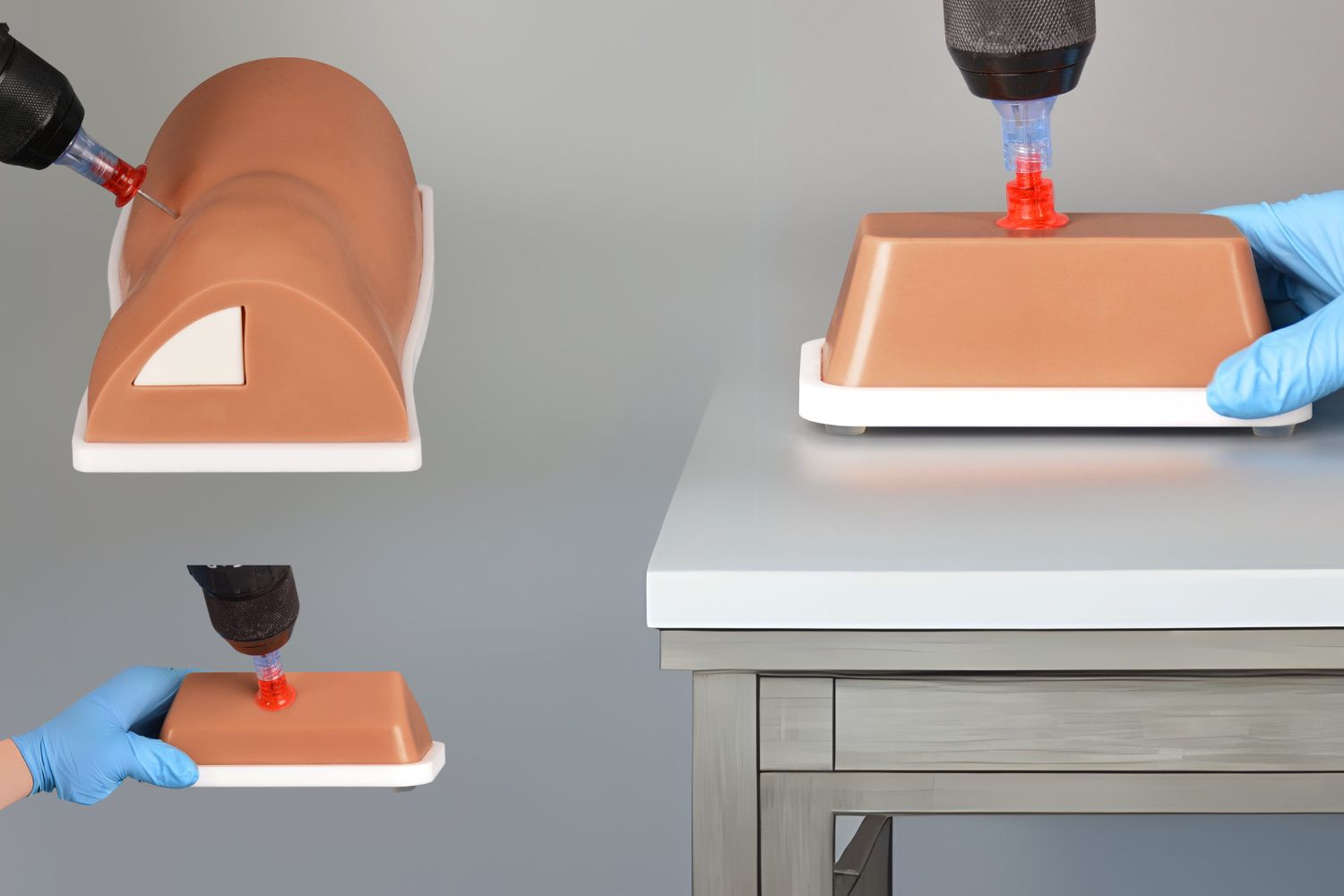
Practicing these techniques repeatedly on realistic training models allows students to improve accuracy, confidence, and safety, long before working with real patients.
Conclusion
Practicing phlebotomy at home can be safe and effective when done correctly. By using simulation models and following proper procedures, nursing students can build strong foundational skills while respecting clinical and legal boundaries.
Consistent, realistic practice is key to developing confidence and competence in blood draw techniques, before stepping into real clinical environments.
Related Articles:
.jpg?w=1600&h=1600)
.jpg?w=1600&h=1600)
.jpeg?w=1600&h=1600)
.jpeg?w=1600&h=1600)
.jpeg?w=1500&h=1500)
.jpeg?w=1500&h=1500)
.jpeg?w=1500&h=1500)
.jpg?w=1600&h=1600)
.jpg?w=1600&h=1600)
.jpeg?w=1000&h=1000)
.jpeg?w=1000&h=1000)
.jpeg?w=800&h=800)
.jpeg?w=1500&h=1500)
.jpeg?w=1500&h=1500)
.jpeg?w=1500&h=1500)
.jpg?w=1500&h=1500)
.jpg?w=1500&h=1500)
.jpeg?w=1500&h=1500)
.jpeg?w=1500&h=1500)
.jpg?w=1600&h=1600)
.jpg?w=1600&h=1600)
.jpeg?w=1000&h=1000)
.jpeg?w=1000&h=1000)