
The heel stick procedure is one of the most common and essential tests performed on newborns, especially within the first few days of life. Yet many parents, students, and new healthcare trainees still have questions about what it involves, why it's done, and how it works.
This FAQ guide provides clear answers to the most frequently searched questions, including what is a heel stick, where it should be performed, what it tests for, and how it is done. Whether you're a parent, nursing student, or healthcare trainee, this guide will help you better understand neonatal heel blood sampling.
1. What is a heel stick?
A heel stick is a procedure used to collect a small sample of capillary blood from a newborn's heel. It is commonly used for newborn screening tests, blood glucose monitoring, and bilirubin measurements. The heel is chosen because it offers easy access to capillary blood with minimal risk when done correctly.
For a detailed introduction to newborn blood screening and heel prick testing, see:
👉 What is a Heel Prick Test? A Complete Guide to Newborn Blood Screening
2. What is a heel stick procedure?
The heel stick procedure involves warming the newborn's heel, disinfecting the puncture site, using a lancet to puncture the correct area of the heel, and gently collecting capillary blood into a microcollection tube or onto a filter paper card (for screening tests).
A full procedural guide is available here:
👉 Step-by-Step Guide: How to Perform a Heel Stick on a Newborn Safely and Accurately
3. Where should a heel stick be performed?
A heel stick should be performed on the lateral or medial plantar surface of the newborn's heel, avoiding the central area where bone lies closer to the skin. This helps prevent complications such as bruising or bone injury.
For proper technique and puncture angle guidance, refer to:
👉 Newborn Heel Stick Technique: Best Practices and Pain Reduction Strategies for Neonatal Care
4. What does the heel stick test for?
The heel stick is used in different types of clinical tests. Common purposes include:
| Test Type | What It Screens For |
|---|---|
| Newborn metabolic screening (heel prick test) | Conditions like PKU, congenital hypothyroidism, sickle cell disease, CF |
| Blood glucose test | Hypoglycemia |
| Bilirubin test | Jaundice (hyperbilirubinemia) |
| Infection markers | Sepsis or systemic infection indicators |
Newborn metabolic screening is especially critical as early detection can prevent long-term complications.
5. What is a baby heel stick?
A baby heel stick refers to this same procedure carried out on newborn infants, typically within 24–72 hours after birth. It is painless when performed correctly, although mild discomfort may occur. Pain reduction strategies include warming the heel, swaddling, giving a sucrose solution, or using skin-to-skin contact.
6. Is the heel stick test painful for newborns?
The procedure may cause brief discomfort, but appropriate techniques and pain management strategies, such as warm compresses, swaddling, or sucrose, can significantly reduce crying and stress. Many hospitals follow neonatal pain reduction protocols.
7. How can healthcare students learn and practice heel stick procedures?
Hands-on clinical exposure is essential, but beginners should not perform heel sticks on newborns without proper training. Using a realistic training model helps trainees practice:
✅ Correct puncture site identification
✅ Proper angle and depth control
✅ Safe blood collection techniques
✅ Pain reduction awareness
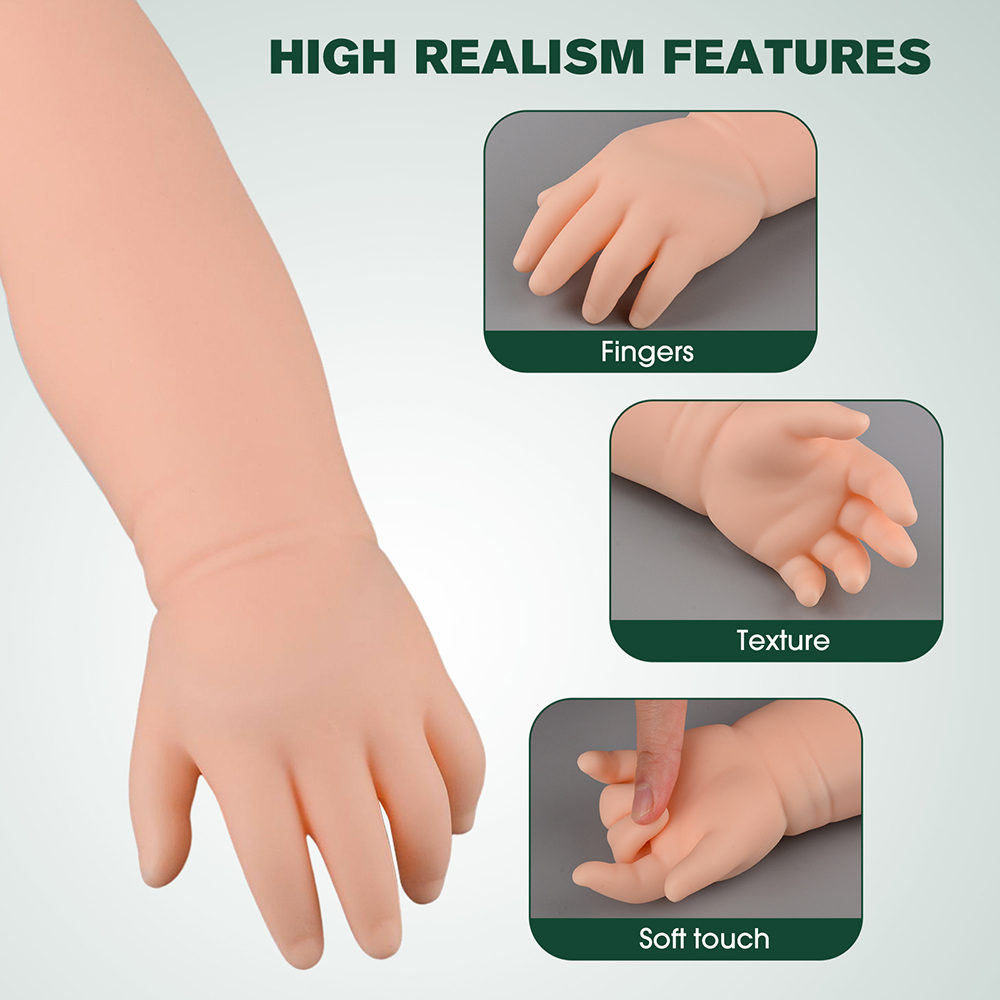
A dedicated newborn heel stick simulator, such as the Ultrassist Infant Heel Simulator, offers a safe and repeatable platform for mastering skills before clinical application.
Final Thoughts
The heel stick is a critical procedure in neonatal care, helping diagnose serious conditions early in life. Whether you are a healthcare provider or a student, understanding the correct procedure, anatomical site, and pain reduction measures is essential.
To deepen your understanding, explore the full series:
✅ Newborn Screening Overview: Heel Prick Test Explained
✅ Clinical Procedure: Step-by-Step Heel Stick Guide
✅ Technique Optimization: Best Practices & Pain Control
And for training confidence before entering clinical practice, consider using a high-quality neonatal simulation model such as the Infant Heel Stick Blood Sampling Training Simulator.
.jpg?w=1600&h=1600)
.jpg?w=1600&h=1600)
.jpeg?w=1600&h=1600)
.jpeg?w=1600&h=1600)
.jpeg?w=1500&h=1500)
.jpeg?w=1500&h=1500)
.jpeg?w=1500&h=1500)
.jpg?w=1600&h=1600)
.jpg?w=1600&h=1600)
.jpeg?w=1000&h=1000)
.jpeg?w=1000&h=1000)
.jpeg?w=800&h=800)
.jpeg?w=1500&h=1500)
.jpeg?w=1500&h=1500)
.jpeg?w=1500&h=1500)
.jpg?w=1500&h=1500)
.jpg?w=1500&h=1500)
.jpeg?w=1500&h=1500)
.jpeg?w=1500&h=1500)
.jpg?w=1600&h=1600)
.jpg?w=1600&h=1600)
.jpeg?w=1000&h=1000)
.jpeg?w=1000&h=1000)