
The heel stick test is an essential procedure in neonatal care. It is a minimally invasive method to collect capillary blood from a newborn for screening tests, such as metabolic, endocrine, and blood disorders. Mastering this skill is critical for healthcare students, nurses, and clinical trainees. This guide provides a step-by-step overview, equipment list, best practices, and tips for safe and effective heel stick sampling.
1. Purpose of the Procedure
The primary purpose of the heel stick is to obtain a small blood sample for newborn screening. Screening early helps detect serious conditions, including:
- Phenylketonuria (PKU)
- Congenital hypothyroidism
- Sickle cell disease
- Medium-chain acyl-CoA dehydrogenase deficiency (MCADD)
Performing the procedure correctly ensures accurate test results, minimizes discomfort for the newborn, and reduces the risk of complications.
2. Required Equipment
Before performing a heel stick, ensure you have the following items:
- Sterile lancet (appropriate depth for newborns)
- Alcohol swabs or antiseptic wipes
- Sterile gauze or cotton pads
- Collection cards (filter paper / dried blood spot cards)
- Gloves and personal protective equipment (PPE)
- Adhesive bandage (optional)
Tip: Choosing the right swab is important to maintain sterility and prevent contamination. Soft alcohol swabs are commonly recommended for neonatal blood sampling.
3. Heel Stick Site
The puncture should be performed on the lateral or medial plantar surface of the newborn’s heel. Avoid the central heel area and the posterior curvature to reduce the risk of nerve or bone injury. The site should be warm to improve blood flow; a brief warming compress may be applied.
Search term: "heel stick site – 20" emphasizes the clinical focus on safe puncture zones.
4. Correct Angle for the Heel Stick
The lancet should enter the skin at a 45° angle or less, aiming laterally or medially. Avoid deep vertical punctures. The goal is to pierce the capillaries without reaching deeper structures such as bone or tendons.
- Shallow, controlled puncture reduces pain and prevents excessive bleeding.
- Proper angle also ensures adequate blood flow for screening cards.
5. Step-by-Step Procedure
- Preparation: Wash hands, wear gloves, and gather all equipment.
- Positioning: Place the baby in a safe, comfortable position, ideally on a warm surface or with the assistance of a caregiver.
- Site Cleaning: Use an alcohol swab to gently clean the puncture area and allow it to air dry.
- Puncture: Use a sterile lancet at the correct angle and depth on the lateral or medial plantar surface.
- Blood Collection: Gently apply pressure around the puncture site (not squeezing the lancet directly) to encourage blood flow onto the filter paper.
- Completion: Apply sterile gauze to the site and hold for a few seconds to stop bleeding. Optionally, cover with a small adhesive bandage.
- Labeling: Ensure the collection card is correctly labeled with the newborn’s information.
Visual aids or diagrams can be included in training materials to illustrate each step.
6. Common Errors and Bleeding Control
- Errors to Avoid:
- Puncturing the central heel or posterior curvature (risk of nerve/bone injury)
- Using excessive pressure, which may hemolyze the sample
- Incorrect angle or depth, leading to insufficient blood flow or trauma
- Bleeding Control Tips:
- Apply gentle pressure with sterile gauze
- Use a warm compress before puncture to improve blood flow
- Avoid milking the heel excessively
7. Practicing Heel Stick Skills
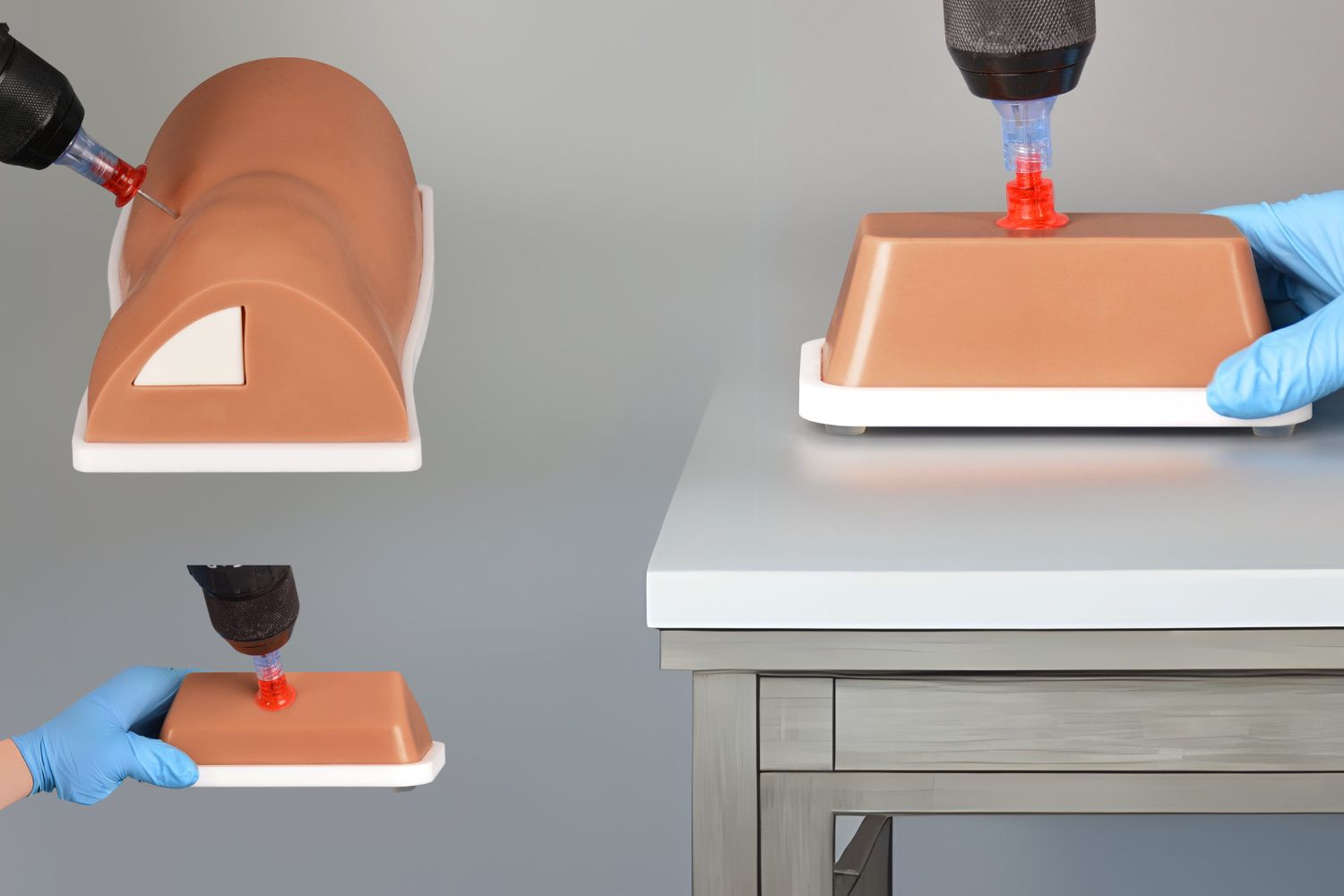
For healthcare students, repeated practice is critical before performing the procedure on real newborns. Simulation-based training is highly recommended:
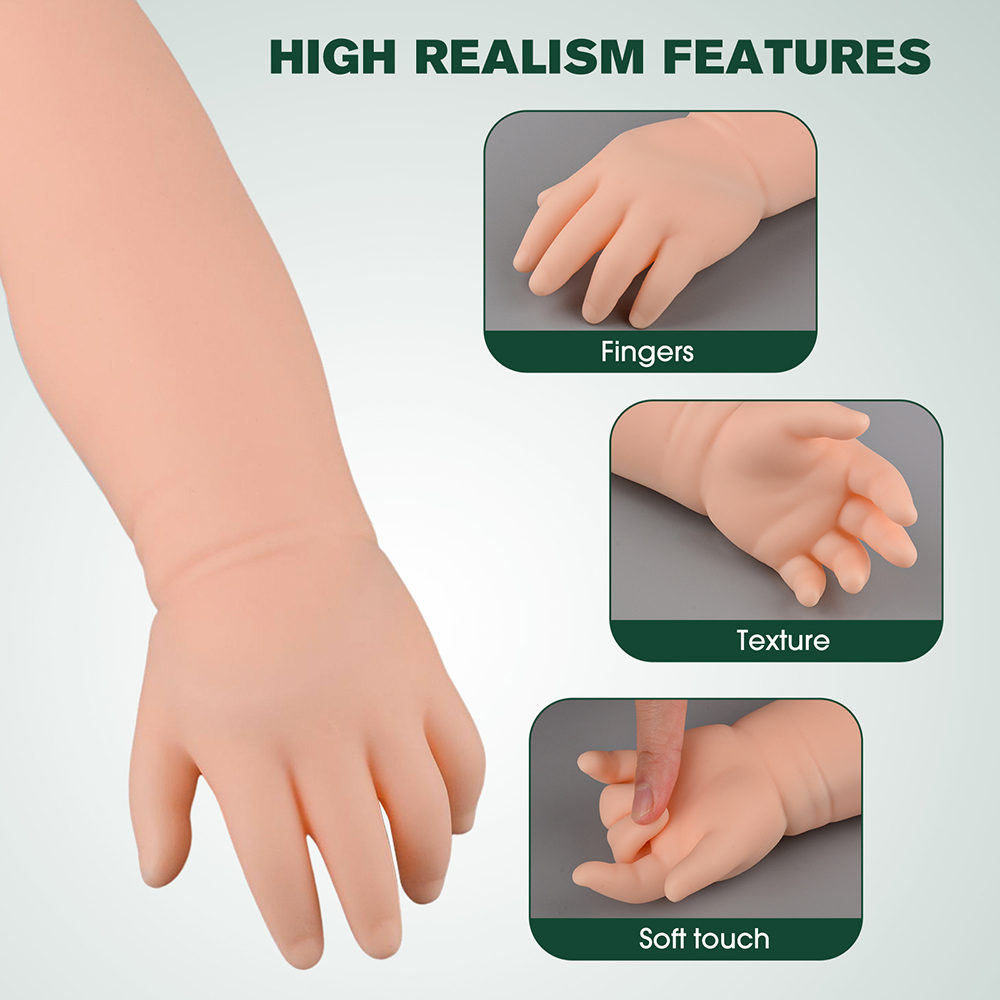
- Realistic models allow students to practice site identification, hand positioning, angle control, and blood collection.
- Using a model reduces anxiety, improves confidence, and enhances patient safety.
A professional training tool like the Infant Heel Stick Simulator provides a lifelike platform to master heel stick techniques before clinical application.
Conclusion
Performing a heel stick test correctly is crucial for accurate newborn screening and patient safety. Understanding the purpose, equipment, puncture site, proper angle, and common errors ensures better outcomes. Healthcare students should utilize simulation training to refine their skills, reduce risks, and prepare for real clinical scenarios.
.jpg?w=1600&h=1600)
.jpg?w=1600&h=1600)
.jpeg?w=1600&h=1600)
.jpeg?w=1600&h=1600)
.jpeg?w=1500&h=1500)
.jpeg?w=1500&h=1500)
.jpeg?w=1500&h=1500)
.jpg?w=1600&h=1600)
.jpg?w=1600&h=1600)
.jpeg?w=1000&h=1000)
.jpeg?w=1000&h=1000)
.jpeg?w=800&h=800)
.jpeg?w=1500&h=1500)
.jpeg?w=1500&h=1500)
.jpeg?w=1500&h=1500)
.jpg?w=1500&h=1500)
.jpg?w=1500&h=1500)
.jpeg?w=1500&h=1500)
.jpeg?w=1500&h=1500)
.jpg?w=1600&h=1600)
.jpg?w=1600&h=1600)
.jpeg?w=1000&h=1000)
.jpeg?w=1000&h=1000)