
The heel prick test is a standard newborn screening procedure performed within the first 24 to 72 hours after birth. It involves gently pricking a baby's heel to collect a few drops of blood on a special filter paper card. This blood sample is then sent to a laboratory for analysis. The purpose is to detect serious genetic, metabolic, endocrine, or blood disorders early, so that treatment can begin before symptoms appear.
Newborn screening programs are recommended or mandated in many countries, including the United States, the United Kingdom, Australia, and many others. In the U.S., heel prick screening can test for more than 30 to 50 conditions, depending on the state's screening panel. In the U.K., the NHS heel prick test screens for at least nine serious but treatable conditions. Early detection significantly improves long-term health outcomes and may prevent developmental delays, severe illness, or even life-threatening complications.
What Conditions Does the Heel Prick Test Screen For?
The specific conditions screened may vary depending on the country, but commonly include:
- Phenylketonuria (PKU): An amino acid metabolism disorder that can lead to intellectual disability if untreated.
- Congenital hypothyroidism: A thyroid hormone deficiency that can affect growth and brain development.
- Cystic fibrosis (CF): A genetic disorder affecting the lungs and digestive system.
- Sickle cell disease: A blood disorder that affects red blood cell shape and oxygen transport.
- Medium-chain acyl-CoA dehydrogenase deficiency (MCADD): A metabolic condition that can cause life-threatening low blood sugar during fasting.
- Other fatty acid oxidation disorders, organic acidemias, and inherited metabolic diseases.
Without early screening, many of these conditions are difficult to detect in time. The heel prick test gives babies the best possible start by ensuring that potential conditions are identified before they cause harm.
Heel Prick vs. Heel Stick: Is There a Difference?
The terms "heel prick" and "heel stick" refer to the same type of procedure. The difference lies mainly in terminology and usage:
-
"Heel prick" is more commonly used in public health materials, patient education resources, and in countries such as the United Kingdom, where the NHS refers to it as the "newborn blood spot test."
-
"Heel stick" is more frequently used in clinical practice guidelines, nursing training, and U.S.-based medical literature, emphasizing the technical act of collecting the blood sample.
In essence, both terms describe the same newborn blood sampling process.
Does the Heel Prick Test Hurt the Baby?
The baby may cry or appear uncomfortable during the heel prick because it involves a small skin puncture. However, the procedure is very quick and has a very low risk of complications. While heel pricks are mildly painful, studies suggest that they may be more uncomfortable than venous blood draws. That said, hospitals follow best practices to reduce discomfort, which may include swaddling, breastfeeding during the procedure, offering sucrose solution, or gentle soothing afterward.
Parents should be reassured that the benefits of early detection far outweigh the brief discomfort.
Who Should Read About the Heel Prick Test?
This information is especially helpful for:
-
New parents or parents-to-be who want to understand what to expect after birth.
-
Caregivers and family members who want to provide comfort and support.
-
Nursing, midwifery, medical laboratory, or healthcare students who must learn how newborn screening is performed.
-
Healthcare educators preparing students for newborn care and blood sampling techniques.
How Nursing or Medical Students Can Practice Heel Stick Procedures
Healthcare students who will perform heel stick blood sampling need to understand newborn anatomy, proper puncture sites, correct depth and angle of the lancet, aseptic procedures, and how to minimize pain and stress in newborns. Because practicing directly on real infants is not feasible for beginners, simulation-based training is strongly recommended.
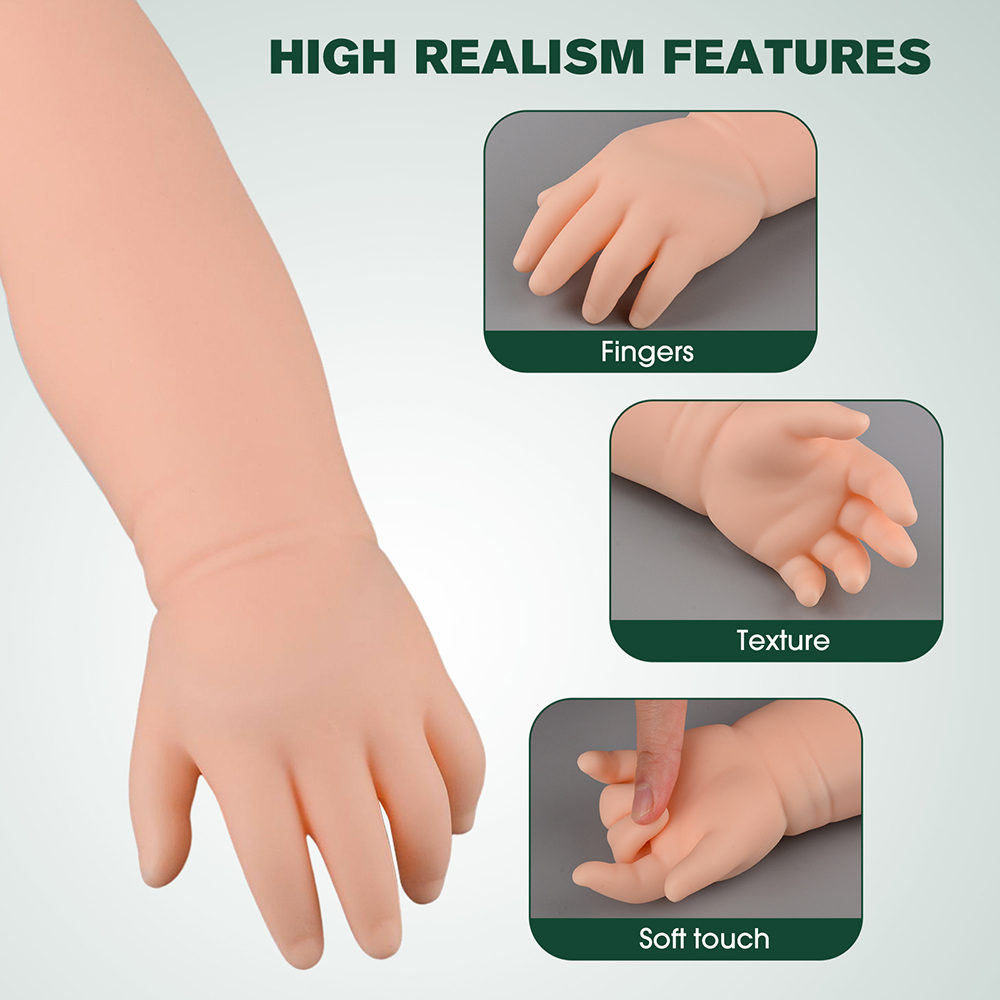
Using a realistic training model such as the Infant Heel Simulator helps students:
-
Identify safe puncture zones on the infant heel.
-
Practice correct hand positioning and stabilization.
-
Perform the procedure with proper depth control.
-
Learn how to collect blood efficiently onto screening cards.
-
Build confidence and reduce risk during real patient procedures.
By training with a model like the Infant Heel Simulator, nursing and medical students can develop their technique before performing the heel prick test in a clinical setting.
Conclusion
The heel prick test, also known as the heel stick test, is a critical newborn screening procedure that helps detect potentially serious health conditions early in life. While it may cause brief discomfort for the infant, it is quick, safe, and highly beneficial. Parents can feel reassured knowing that this simple test plays a major role in safeguarding their baby's long-term health. For healthcare students, learning how to properly perform a heel stick through simulation practice is an essential step in delivering high-quality neonatal care.
.jpg?w=1600&h=1600)
.jpg?w=1600&h=1600)
.jpeg?w=1600&h=1600)
.jpeg?w=1600&h=1600)
.jpeg?w=1500&h=1500)
.jpeg?w=1500&h=1500)
.jpeg?w=1500&h=1500)
.jpg?w=1600&h=1600)
.jpg?w=1600&h=1600)
.jpeg?w=1000&h=1000)
.jpeg?w=1000&h=1000)
.jpeg?w=800&h=800)
.jpeg?w=1500&h=1500)
.jpeg?w=1500&h=1500)
.jpeg?w=1500&h=1500)
.jpg?w=1500&h=1500)
.jpg?w=1500&h=1500)
.jpeg?w=1500&h=1500)
.jpeg?w=1500&h=1500)
.jpg?w=1600&h=1600)
.jpg?w=1600&h=1600)
.jpeg?w=1000&h=1000)
.jpeg?w=1000&h=1000)