
Venepuncture in children and infants is a specialized clinical skill that requires more than technical accuracy. Compared with adults, pediatric patients present smaller and more fragile veins, limited blood volume, and heightened emotional sensitivity. Successful pediatric venepuncture depends on adapting technique, equipment, communication, and environment to the child’s age and developmental stage.
This guideline outlines best practices for safe, effective venepuncture in children and infants, with a focus on preparation, site selection, technique, and training.
Key Differences in Pediatric Venepuncture
Pediatric venepuncture differs significantly from adult practice:
- Smaller, fragile veins
Veins are less visible, more mobile, and prone to rolling or collapse.
- Lower total blood volume
Excessive sampling may increase the risk of iatrogenic anemia, especially in neonates and infants.
- Higher emotional sensitivity
Fear and anxiety are common; distress can affect cooperation and vein stability.
- Different site considerations
Acceptable venepuncture sites may include the forearm, dorsum of the hand or foot, ankle veins, and selective antecubital access when appropriate.
Preparation and Comfort Measures
Effective preparation reduces both procedural failure and emotional distress.
Before venepuncture:
-
Explain the procedure using age-appropriate language and involve caregivers when possible
-
Use distraction techniques such as toys, bubbles, videos, or music
-
Position the child comfortably (e.g., seated on a parent’s lap when safe)
-
Apply topical anesthetic cream when time allows (commonly for children over 3–4 years)
-
Confirm patient identity and review any history of difficult venous access
-
Select pediatric-appropriate equipment, including smaller gauge butterfly needles and low-vacuum tubes
Pediatric Venepuncture Site & Vein Selection
Proper site selection is critical for first-attempt success.
Preferred characteristics include veins that are visible, palpable, and free from prior trauma.
Common pediatric venepuncture sites:
- Volar forearm veins
- Dorsal hand veins
- Dorsal foot or ankle veins
- Antecubital veins (used cautiously, especially in infants)
Best practice tips:
- Avoid joints and flexion areas to reduce movement
- Warm the site to improve vein dilation
- Use transillumination for neonates or infants when veins are difficult to visualize
Equipment Selection & Technique
-
Use a pediatric tourniquet, placed 2–4 cm above the site, and limit application time
-
Choose smaller gauge needles (commonly 23G butterfly needles)
-
Anchor the vein by gently stretching the skin distal to the puncture site
-
Insert bevel up at a shallow angle (approximately 15–30°)
-
Release the tourniquet promptly once blood flow is established
-
Apply firm pressure after withdrawal and secure with an appropriate dressing
Blood Volume Limits & Safety Considerations
-
Always respect safe blood volume limits based on age and weight
-
Minimize repeat attempts; escalation after 2–3 unsuccessful attempts is recommended
-
For patients with difficult venous access, consider advanced techniques such as ultrasound guidance when available
Aftercare and Monitoring
-
Observe the puncture site for bleeding, swelling, or hematoma
-
Offer reassurance, praise, and positive reinforcement
-
Document site used, volume collected, number of attempts, and patient response
Training & Skill Development for Pediatric Venepuncture
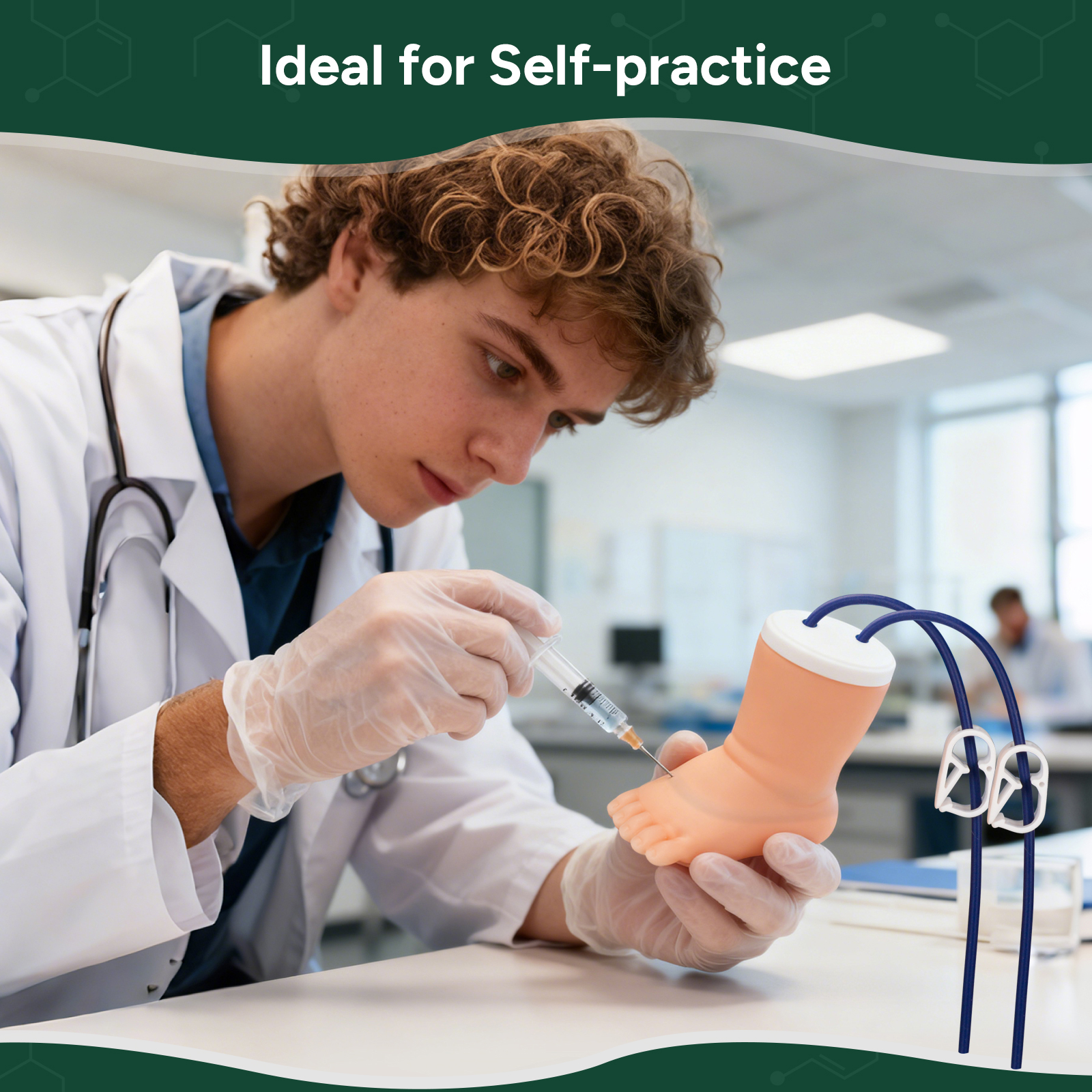
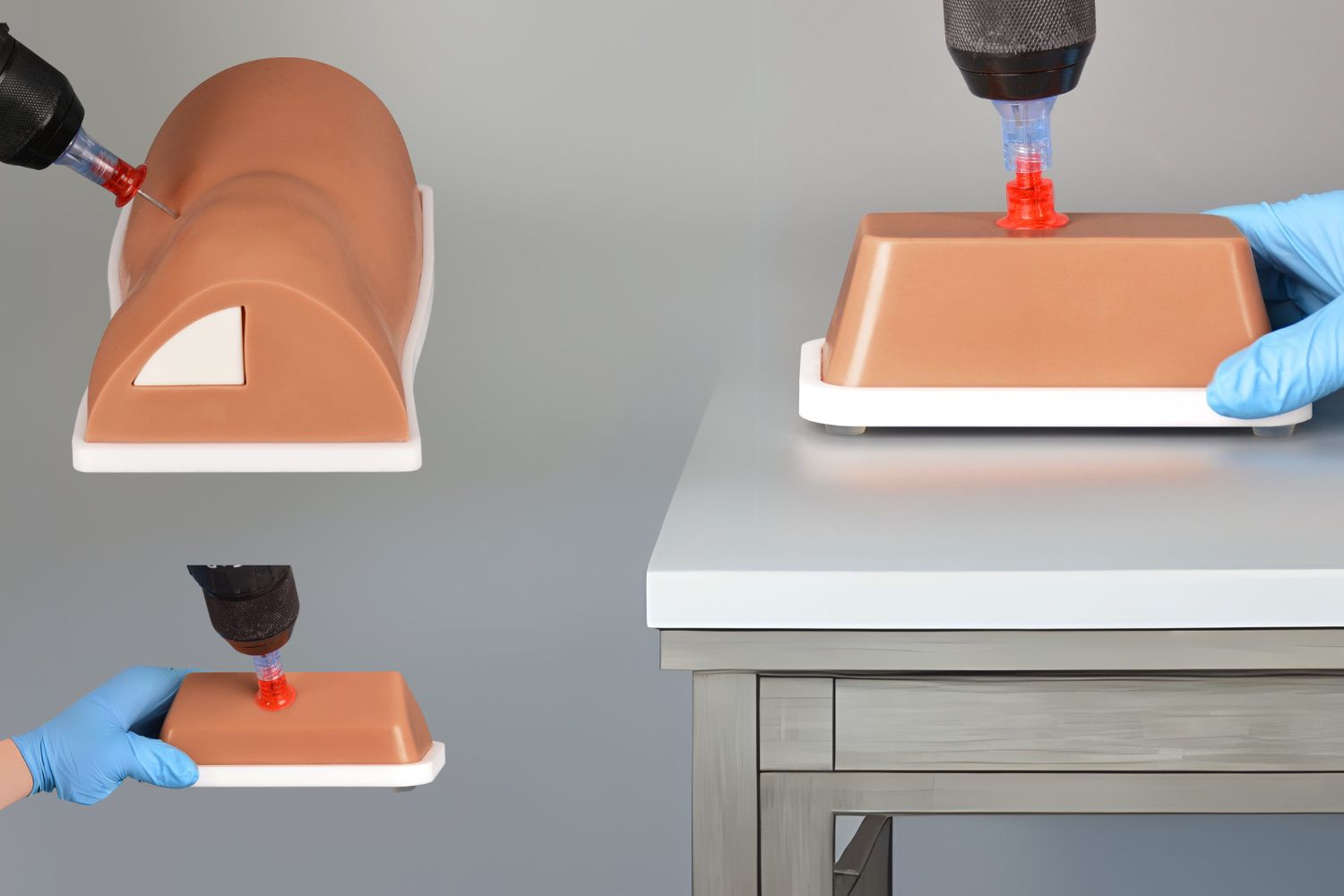
Pediatric venepuncture requires structured, simulation-based training beyond adult techniques. Practicing on pediatric-specific models allows clinicians to refine hand control, vein targeting, and confidence without patient risk.
Using a pediatric IV practice kit, trainees can practice:
- Vein palpation and visualization adapted to pediatric anatomy
- Appropriate equipment sizing and handling
- Calm communication and caregiver-assisted positioning
- Scenario-based drills, including difficult venous access
Simulation training ensures practitioners are prepared for real pediatric clinical environments.
Conclusion
Pediatric venepuncture is not simply a scaled-down version of adult practice. It demands thoughtful adaptation of technique, equipment, communication, and emotional care. With proper preparation and ongoing simulation-based training, clinicians can achieve safe, effective, and compassionate venous access for children and infants.
Related Articles:
.jpg?w=1600&h=1600)
.jpg?w=1600&h=1600)
.jpeg?w=1600&h=1600)
.jpeg?w=1600&h=1600)
.jpeg?w=1500&h=1500)
.jpeg?w=1500&h=1500)

.jpeg?w=1500&h=1500)
.jpg?w=1600&h=1600)
.jpg?w=1600&h=1600)
.jpeg?w=1000&h=1000)
.jpeg?w=1000&h=1000)
.jpeg?w=800&h=800)
.jpeg?w=1500&h=1500)
.jpeg?w=1500&h=1500)
.jpeg?w=1500&h=1500)
.jpg?w=1500&h=1500)
.jpg?w=1500&h=1500)
.jpeg?w=1500&h=1500)
.jpeg?w=1500&h=1500)
.jpg?w=1600&h=1600)
.jpg?w=1600&h=1600)
.jpeg?w=1000&h=1000)
.jpeg?w=1000&h=1000)