
What is Intraosseous (IO) Access?
Intraosseous (IO) access is a critical emergency technique used to deliver fluids, medications, and blood products directly into the bone marrow when intravenous access cannot be quickly established. It is commonly applied in time-sensitive situations such as cardiac arrest, severe trauma, shock, or pediatric emergencies.
By accessing the highly vascular marrow cavity, IO access enables rapid systemic circulation of medications, making it a reliable alternative when veins are collapsed or difficult to cannulate.
What Does Intraosseous Access Involve?
Intraosseous access is used in several clinical contexts, including:
- Intraosseous vascular access
Rapid administration of fluids and medications through the bone marrow’s vascular network.
- Bone marrow aspiration and biopsy
Diagnostic sampling procedures typically performed in hematology or oncology settings.
- Intraosseous medication delivery
Direct drug administration via the marrow cavity when conventional routes are impractical.
Here are some commonly asked questions about intraosseous and injection skill trainers.
Frequently Asked Questions About IO Access
1. What does IO mean in nursing practice?
In nursing, IO refers to intraosseous access, a technique used to establish emergency vascular access when IV placement is delayed or unsuccessful.
2. Are nurses allowed to place IO lines?
In many healthcare systems, trained nurses are authorized to perform IO access, particularly in emergency departments, critical care units, and pre-hospital settings.
3. Can blood be drawn from an IO site?
Initial blood samples may be obtained from an IO site in some cases, although reliability depends on timing, patient condition, and institutional protocols.
4. Is IO the same as I&O documentation?
No. I&O refers to "intake and output" charting, which tracks fluid balance. This is unrelated to intraosseous access.
5. When is IO used instead of IV access?
IO access is typically used when IV access cannot be established quickly, especially in life-threatening emergencies where immediate vascular access is required.
IO Access Compared With Other Injection Routes
Different injection routes serve different clinical purposes:
- Intradermal (ID): Shallow injections for skin testing
- Subcutaneous (SC): Slow medication absorption, such as insulin
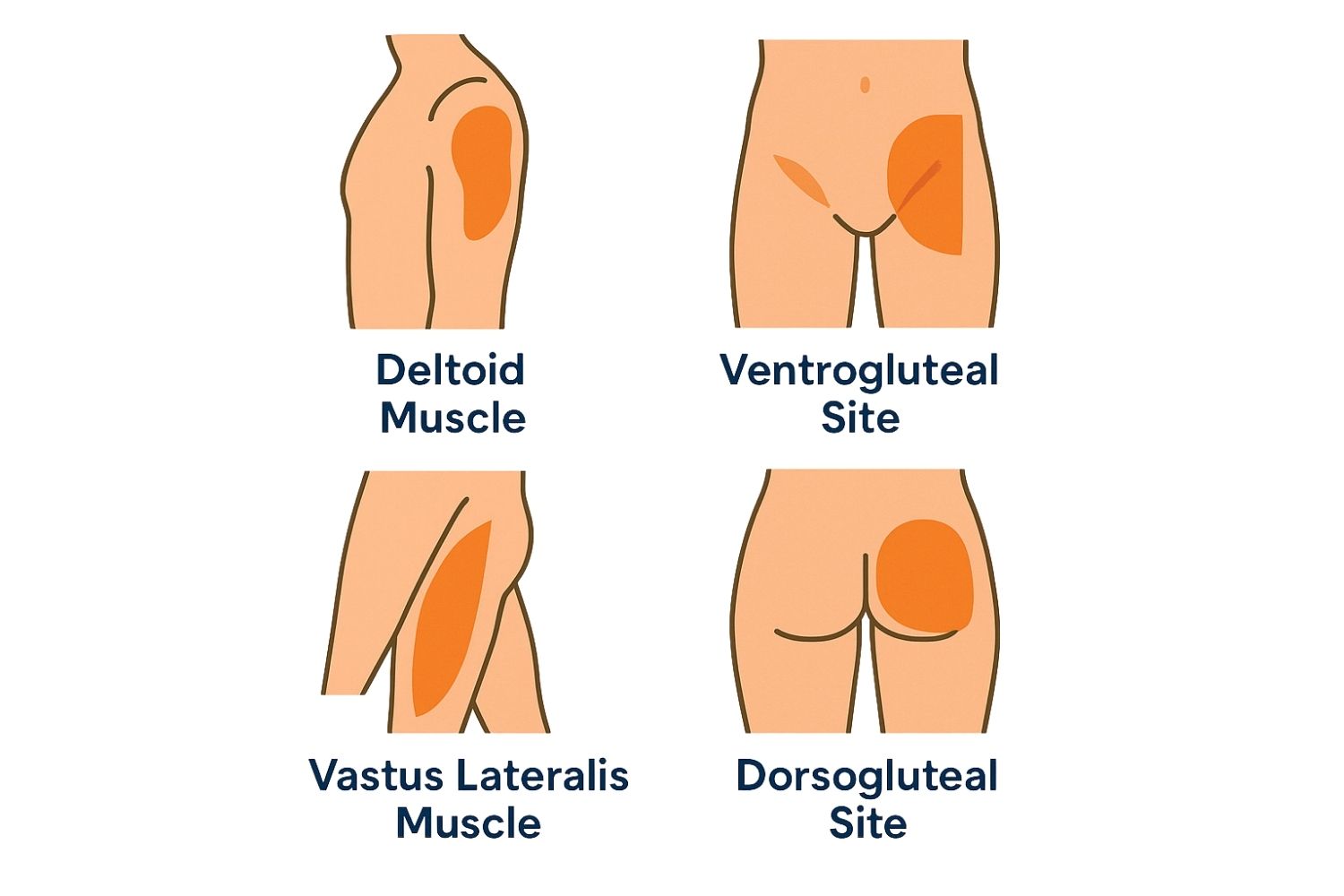
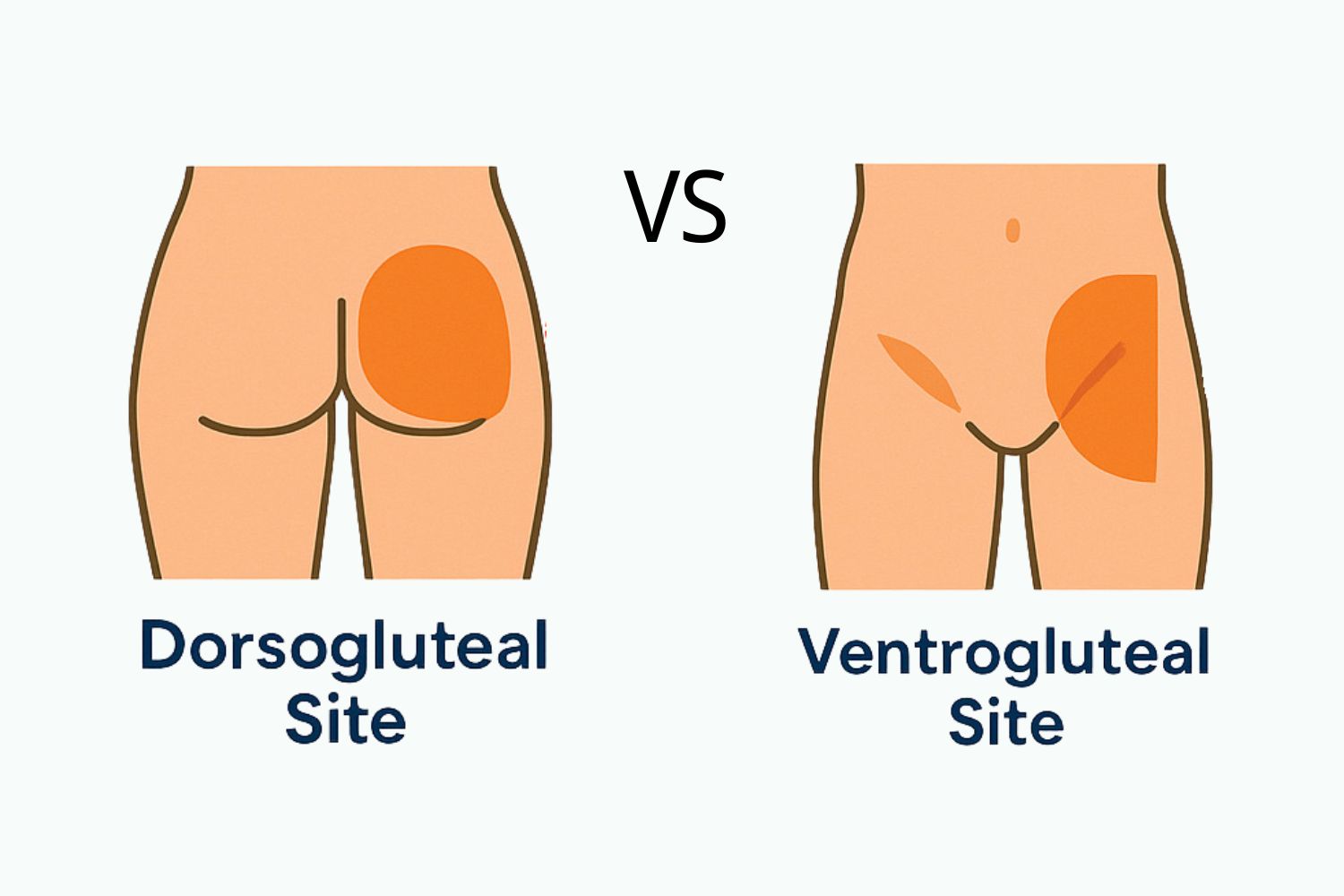
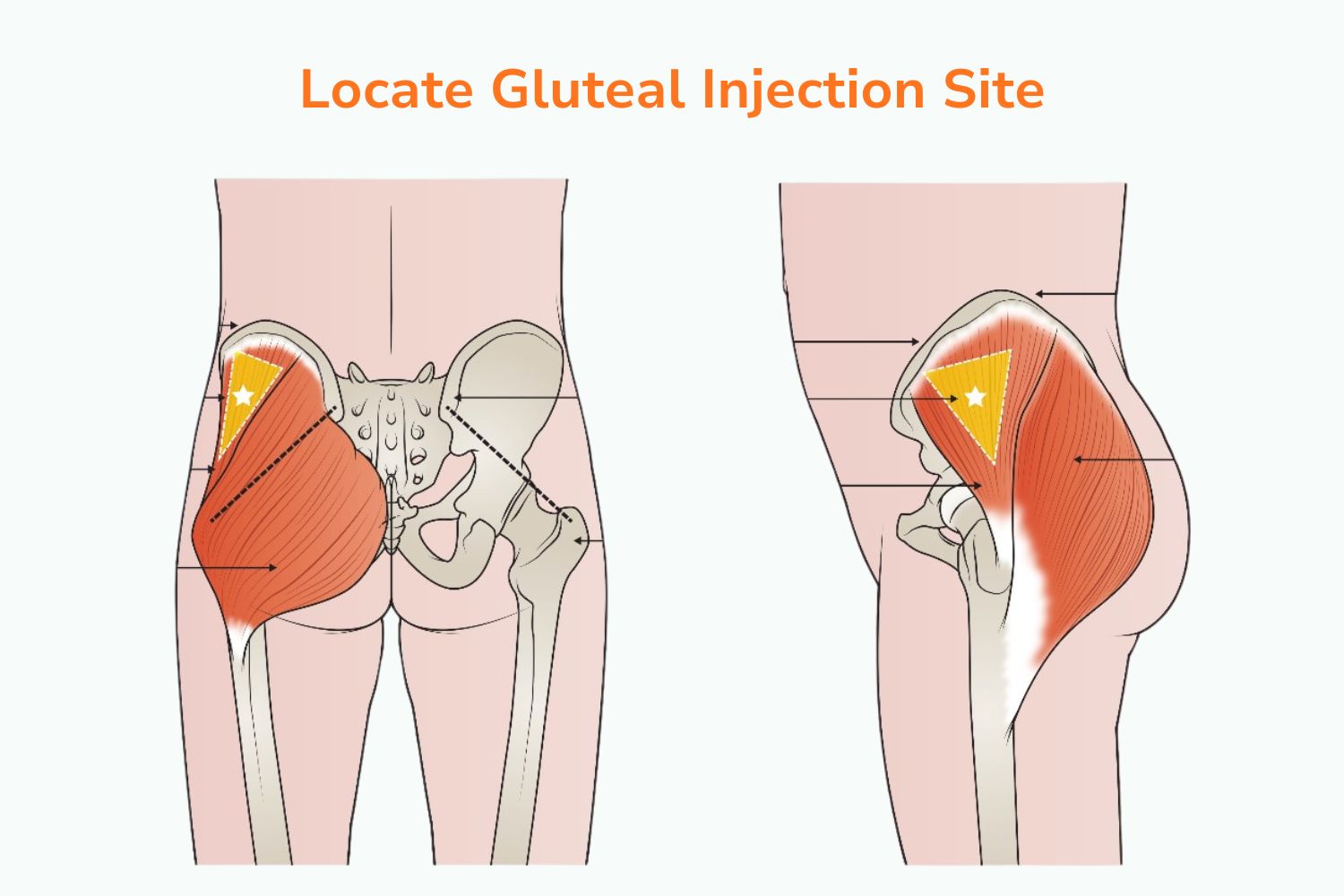
- Intramuscular (IM): Vaccines and certain medications
- Intravenous (IV): Standard vascular access through veins
- Intraosseous (IO): Emergency vascular access via bone marrow
IO access offers speed and reliability when IV access is not feasible.
The Importance of Simulation-Based IO Training
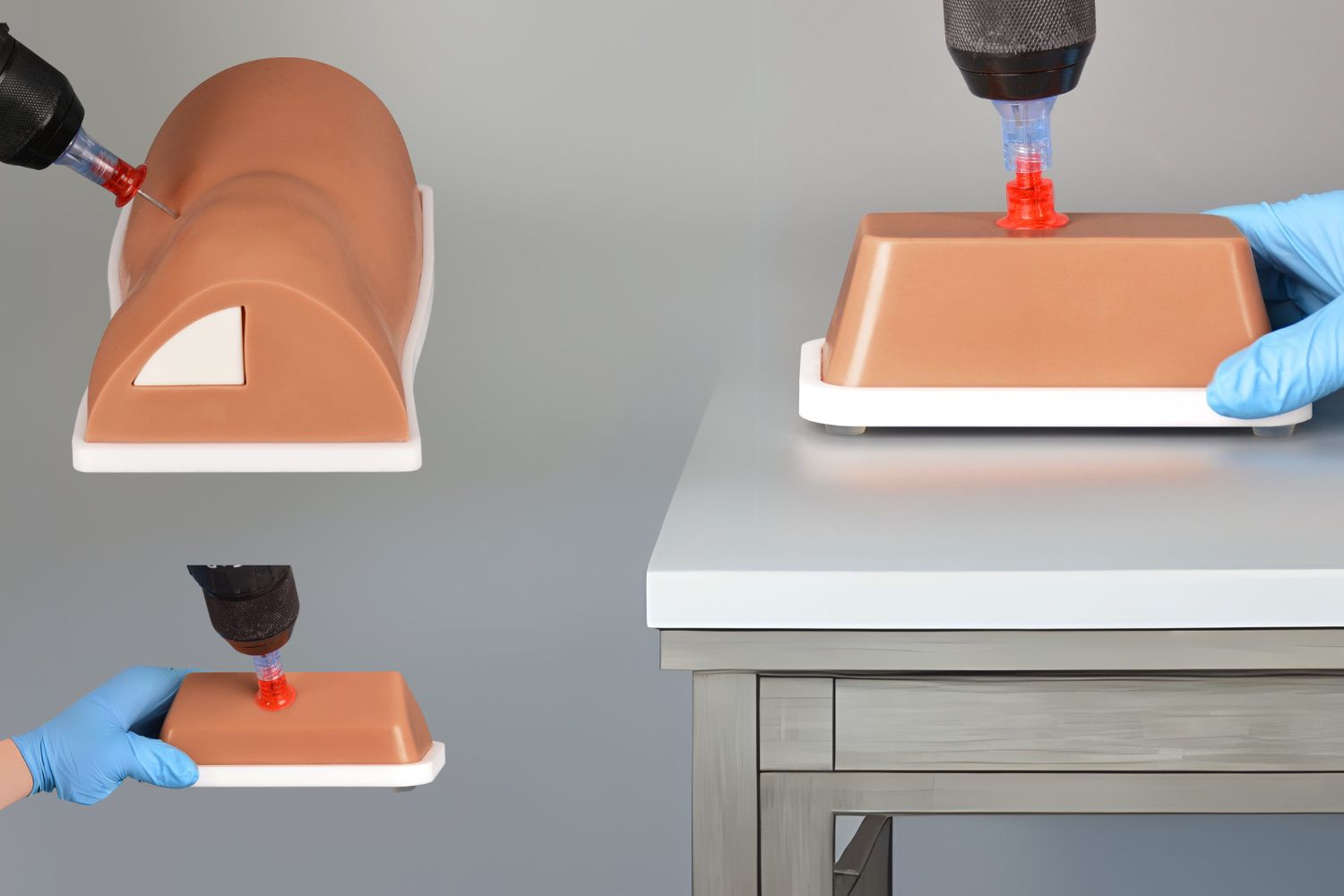
Because IO access is often performed under high-pressure conditions, structured hands-on training is essential. Simulation-based practice allows learners to understand anatomical landmarks, needle angles, insertion depth, and tactile resistance before performing the procedure on real patients.
Using dedicated intraosseous access training models, healthcare providers can safely practice technique, reduce procedural errors, and build confidence for real-world emergencies.
Training Solutions for Intraosseous Access Education
Ultrassist provides a range of simulation models designed to support intraosseous access education across different clinical scenarios, including basic IO practice, tibial access training, and pediatric-focused simulations. These models are widely used in nursing programs, EMS training, and hospital-based education to reinforce correct technique through repetition.
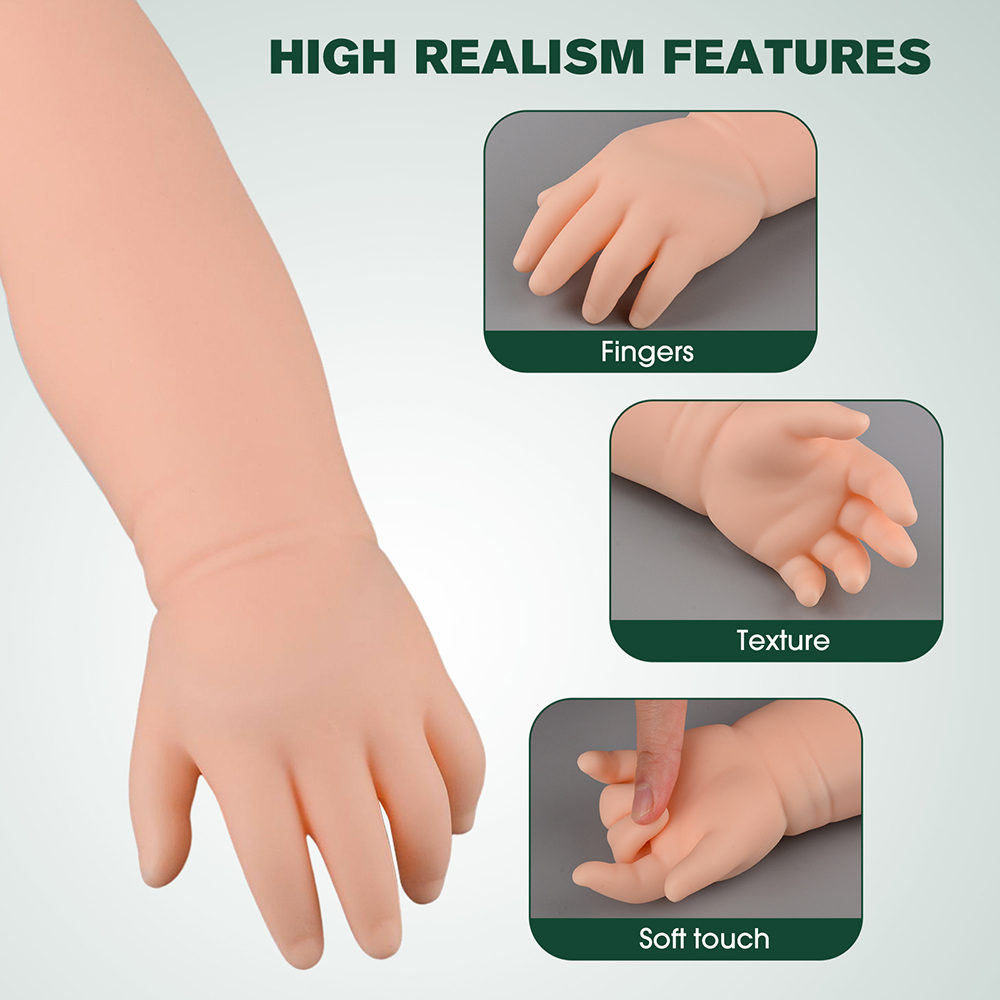
- Infant Tibial IO Leg Trainer
- Proximal Tibial IO Trainer with Sleeve Skin
- Tibial IO Trainer with Velcro Skin Pad
- Adult Tibial IO Trainer with Removable Bone
- Angled IO Trainer for Tibial Needle Insertion Practice
- Flat IO Access Trainer for Tibial Needle Insertion
Building Confidence in Emergency IO Procedures
Mastery of intraosseous access is a core competency for emergency and critical care professionals. With proper education and hands-on simulation training, clinicians can respond decisively when seconds matter most.
By integrating anatomical knowledge, procedural understanding, and realistic practice, IO access training plays a vital role in improving emergency response outcomes and patient safety.
Related Articles:
.jpg?w=1600&h=1600)
.jpg?w=1600&h=1600)
.jpeg?w=1600&h=1600)
.jpeg?w=1600&h=1600)
.jpeg?w=1500&h=1500)
.jpeg?w=1500&h=1500)
.jpeg?w=1500&h=1500)
.jpg?w=1600&h=1600)
.jpg?w=1600&h=1600)
.jpeg?w=1000&h=1000)
.jpeg?w=1000&h=1000)
.jpeg?w=800&h=800)
.jpeg?w=1500&h=1500)
.jpeg?w=1500&h=1500)
.jpeg?w=1500&h=1500)
.jpg?w=1500&h=1500)
.jpg?w=1500&h=1500)
.jpeg?w=1500&h=1500)
.jpeg?w=1500&h=1500)
.jpg?w=1600&h=1600)
.jpg?w=1600&h=1600)
.jpeg?w=1000&h=1000)
.jpeg?w=1000&h=1000)