
Ultrassist IV & Phlebotomy Practice Arm Options
Before diving into the step-by-step guide, it's worth noting that Ultrassist offers several models for different training needs:
-
Adult Complete Phlebotomy Practice Arm Kit – A fully equipped kit for comprehensive blood draw and IV insertion practice.
-
Multi-venous Phlebotomy & Venipuncture Training Arm Kit – Offers multiple venous access points for varied training scenarios.
-
Dark Skin Phlebotomy Arm Practice Kit for Nursing Practice – Designed to reflect diverse patient populations, ideal for realistic practice.
-
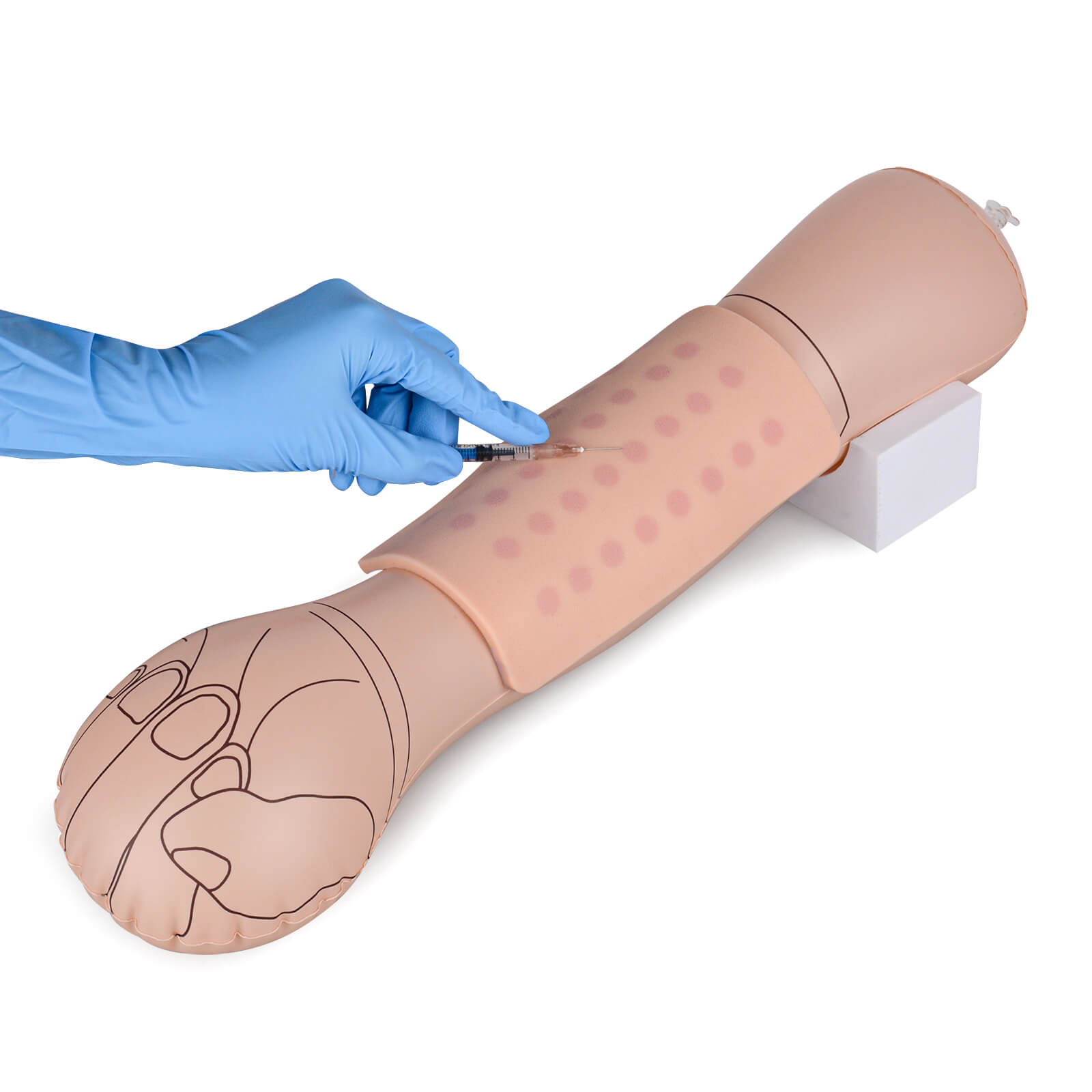
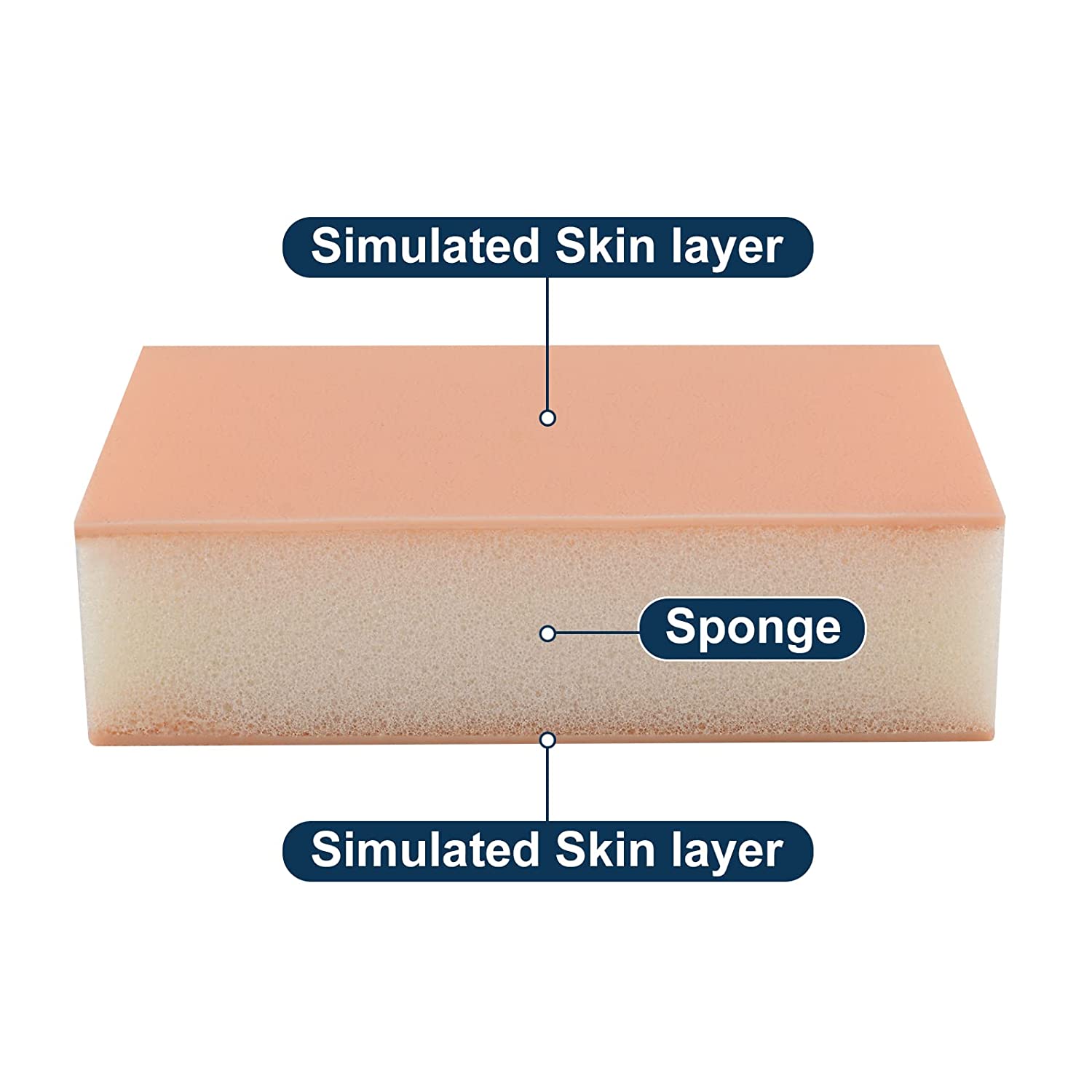
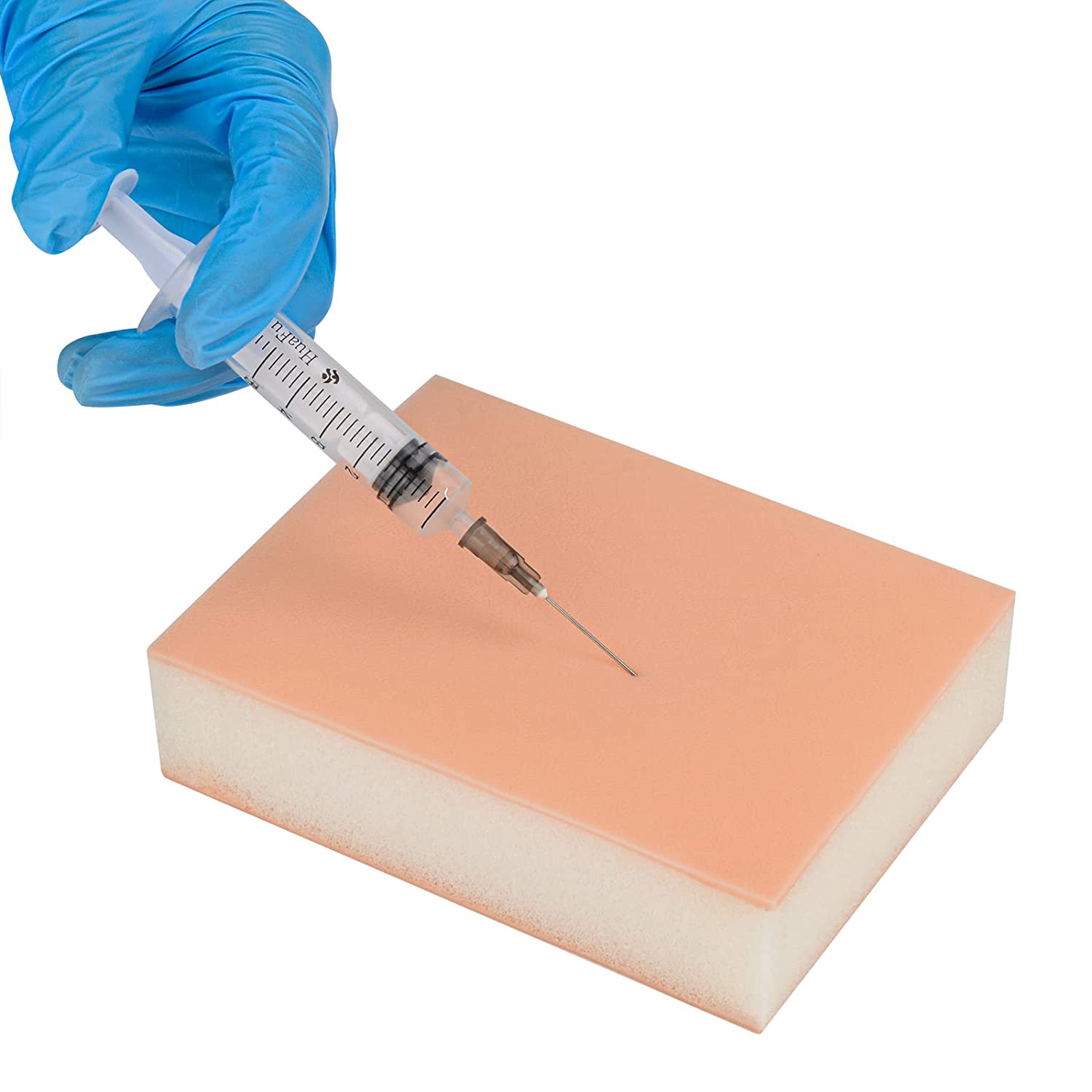
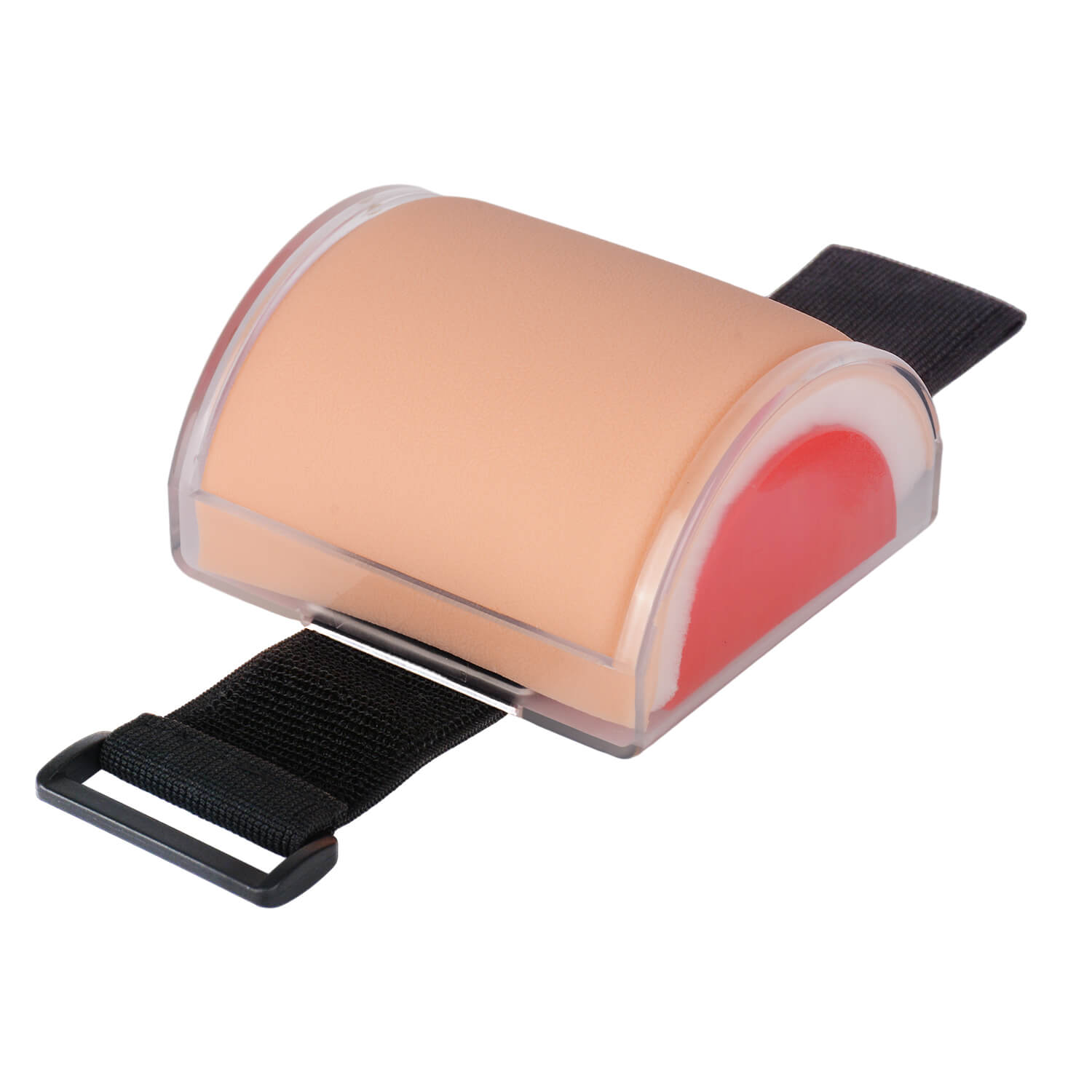
Replaceable Skin IV & Phlebotomy Practice Arm Kit – Allows repeated use with interchangeable skins.
For this article, we will focus on the Dark Skin Phlebotomy Practice Arm as an example to demonstrate practical blood collection training.
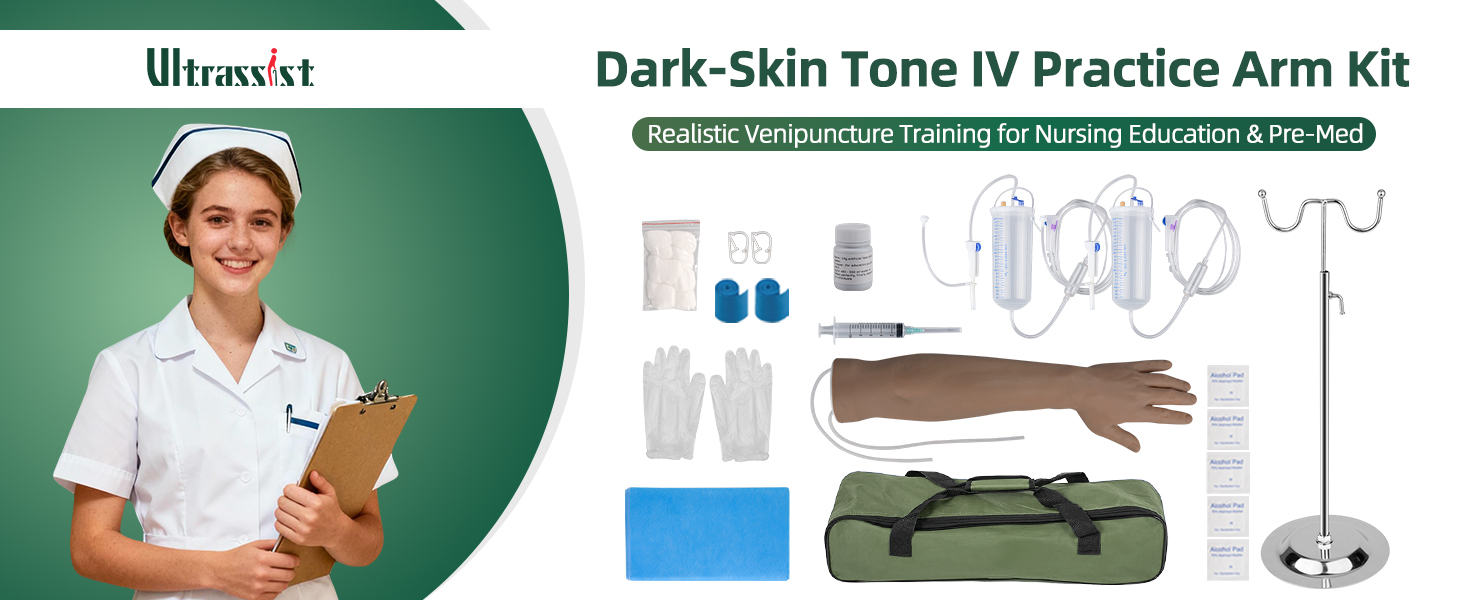
Step-by-Step Guide to Using the IV Arm for Blood Collection
Step 1: Set Up Blood Circulation
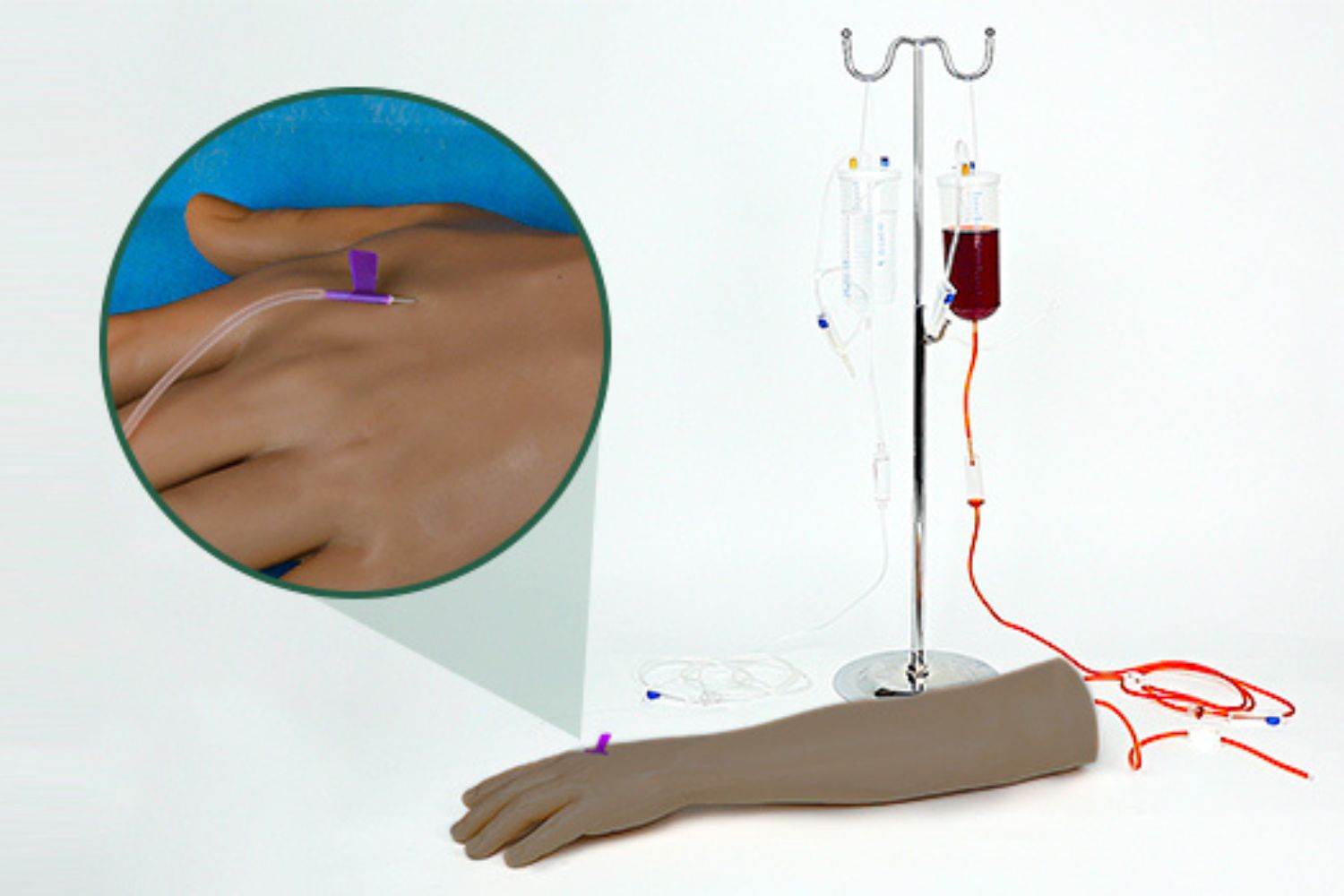
To simulate real blood flow, start by creating a circulating system in the IV arm.
-
Unscrew the needles from two hanging bottles.
-
Connect each bottle to one of the two tubes of the simulated hand.
-
Pour a red liquid into one hanging bottle, allowing it to flow through the arm until it exits from the other end. This simulates continuous blood circulation.
.jpeg?w=650&h=350)
Tip: For improved flow, gently puncture the tail end of the hanging bottle with a needle to allow air exchange, ensuring smooth liquid movement.
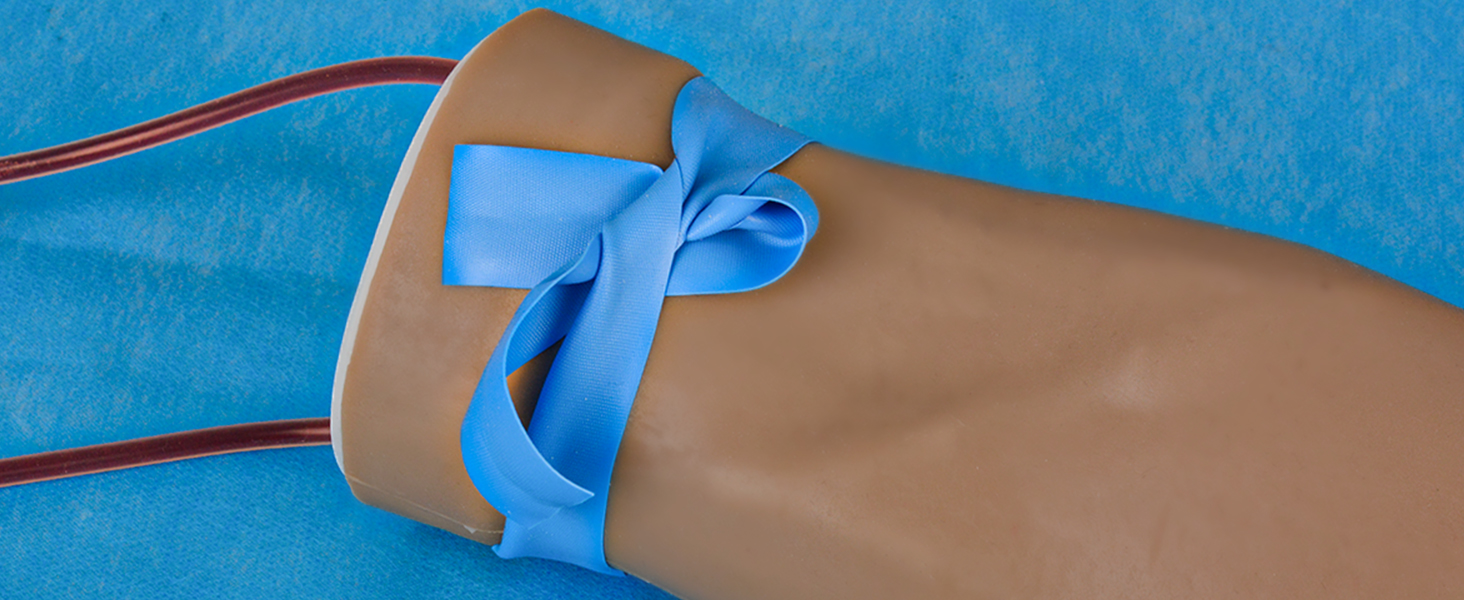
Step 2: Apply a Tourniquet
Proper vein engorgement is crucial for successful venipuncture. Apply a tourniquet around the upper arm of the simulated model to mimic vein dilation. Adjust pressure carefully - enough to see and feel the vein, but not excessive.
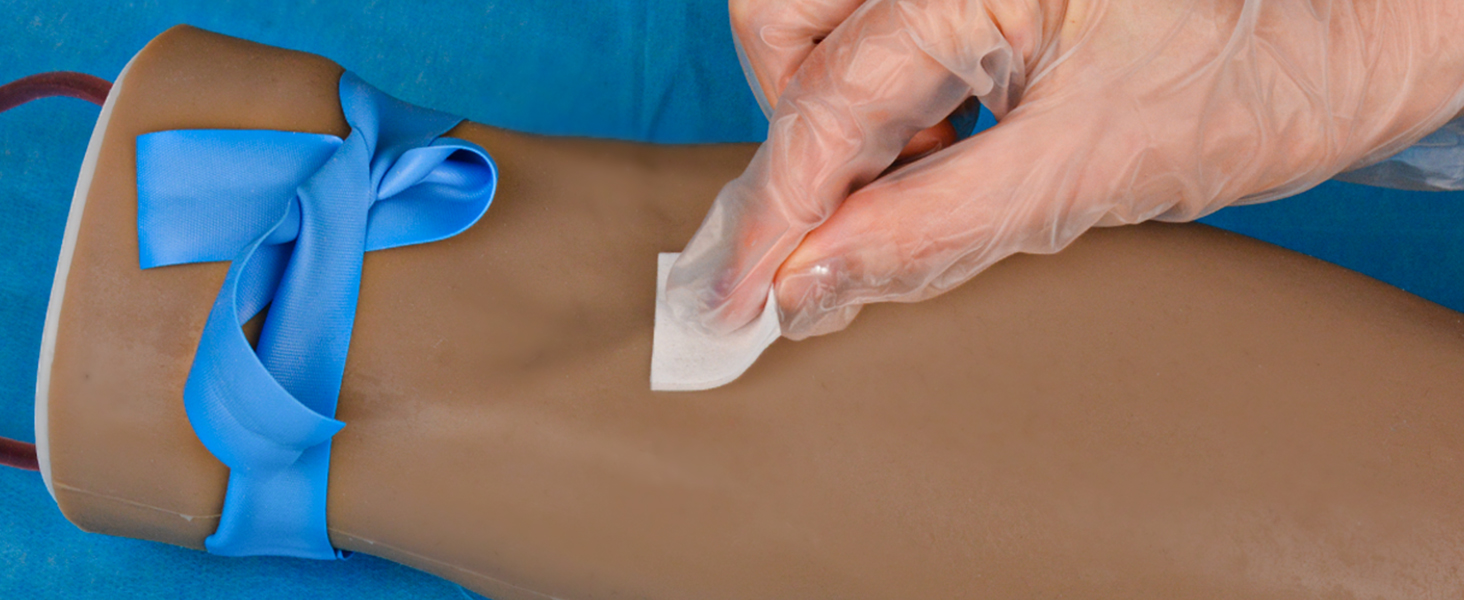
Step 3: Disinfection
As in real clinical practice, disinfect the puncture site thoroughly. Use an alcohol pad and clean the skin in a circular motion from the center outward. Allow the area to dry completely before proceeding.
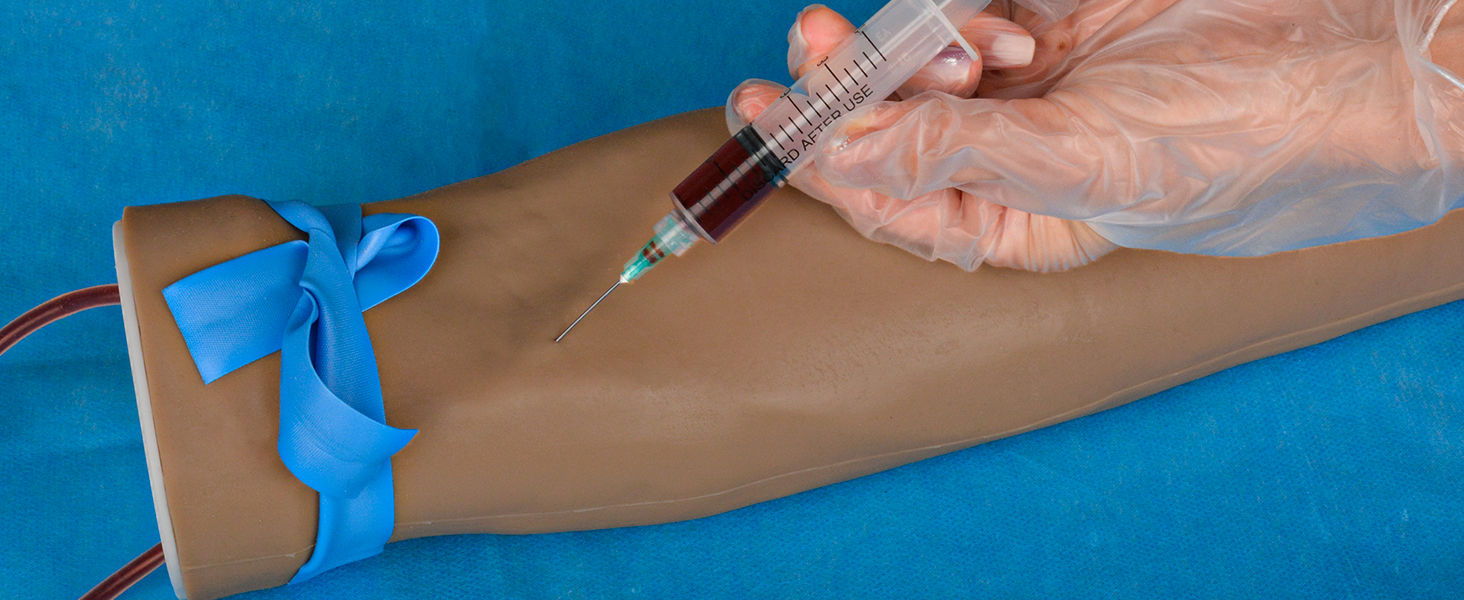
Step 4: Blood Collection
-
Select the appropriate vein for your procedure. The Dark Skin IV arm provides realistic veins with varying sizes and positions, including median cubital, cephalic, and basilic veins.
-
Insert the needle at a shallow angle, observing the simulated blood return in the tubing.
-
Once blood flow is established, practice filling collection tubes or syringes while maintaining proper handling technique.
Step 5: Hemostasis
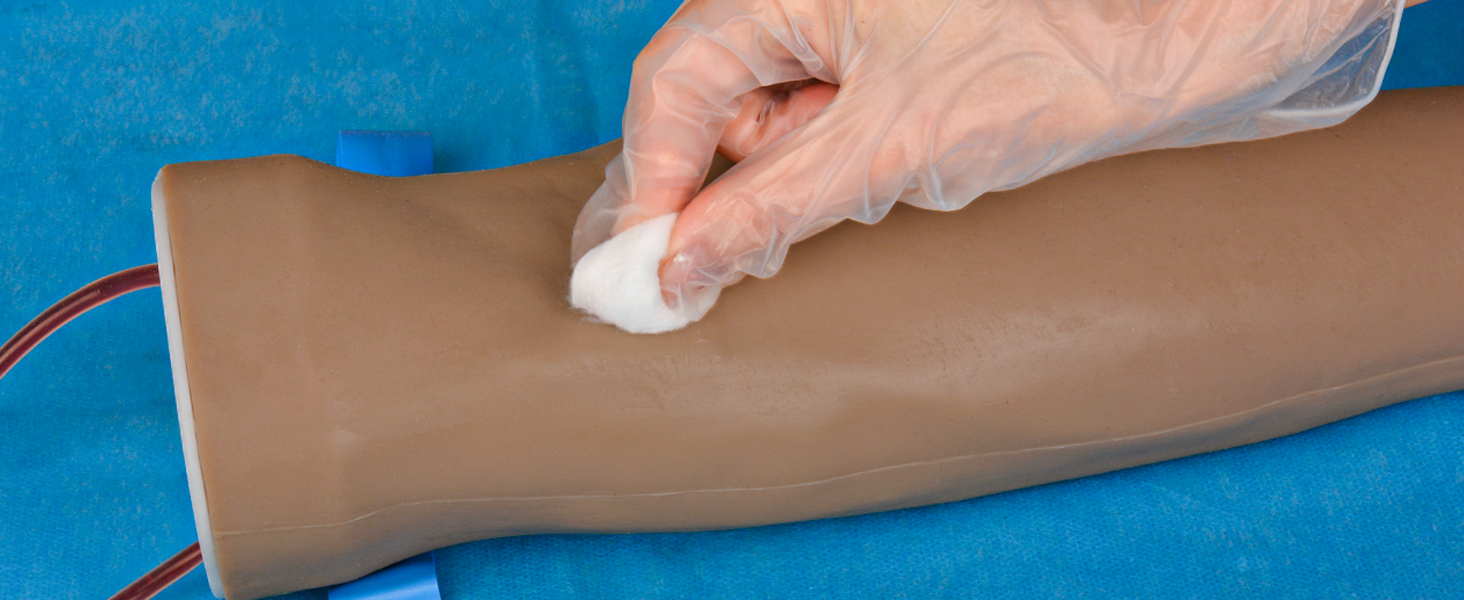
After completing the blood draw, practice proper hemostasis. Use a cotton ball or gauze to apply gentle pressure over the puncture site. This step reinforces correct post-procedure care and ensures learners understand patient safety considerations.
Benefits of Practicing with IV & Phlebotomy Training Arms
Using a high-quality IV arm like the Dark Skin model has several advantages:
-
Realistic Vein Feedback: Provides authentic needle resistance and vein palpation experience.
-
Risk-Free Learning: Allows repeated practice without causing harm or discomfort to patients.
-
Confidence Building: Supports both new learners and experienced practitioners in mastering venipuncture.
-
Versatility: Simulate multiple clinical scenarios, including challenging vein access or patient movement.
Whether you're practicing at home, in a nursing school lab, or during workshops, consistent training on a realistic IV arm enhances both technique and confidence. For trainees seeking comprehensive practice kits, Ultrassist offers a full collection of IV & Phlebotomy Practice Kits.
Conclusion
Mastering blood collection is a vital skill for healthcare providers. By following these step-by-step instructions with an IV Phlebotomy Practice Arm, learners can experience realistic venipuncture practice, improve accuracy, and gain confidence in a controlled, risk-free environment. Incorporating simulation-based learning with high-quality Ultrassist models ensures that nurses, phlebotomists, and medical trainees are well-prepared for real-world clinical scenarios.
Whether it's your first time practicing or refining your technique, investing in a reliable IV practice arm can dramatically enhance learning outcomes and patient safety.
.jpg?w=800&h=800)
.jpg?w=800&h=800)
_1.jpeg?w=800&h=800)
_1.jpeg?w=1600&h=1600)
_1.jpeg?w=1600&h=1600)
.jpeg?w=1500&h=1500)
.jpeg?w=1600&h=1600)
.jpeg?w=1500&h=1500)
.jpeg?w=1500&h=1500)
.jpeg?w=1600&h=1600)
.jpeg?w=1600&h=1600)
.jpg?w=1500&h=1500)
.png?w=1000&h=1000)
.jpg?w=1500&h=1365)
.jpg?w=1500&h=1500)
.jpeg?w=1500&h=1500)
.jpg?w=1000&h=1000)
.jpeg?w=1600&h=1600)
.jpeg?w=1600&h=1600)
.jpeg?w=1600&h=1600)
.jpeg?w=1600&h=1600)
.jpeg?w=1600&h=1600)
.jpeg?w=1600&h=1600)
.jpeg?w=1600&h=1600)
.jpeg?w=1500&h=1500)
.jpeg?w=1500&h=1500)
.jpg?w=1500&h=1500)
.jpg?w=1500&h=1500)
.jpg?w=1500&h=1500)
.jpg?w=1500&h=1500)
.jpg?w=1000&h=1000)
.jpg?w=1000&h=1000)