
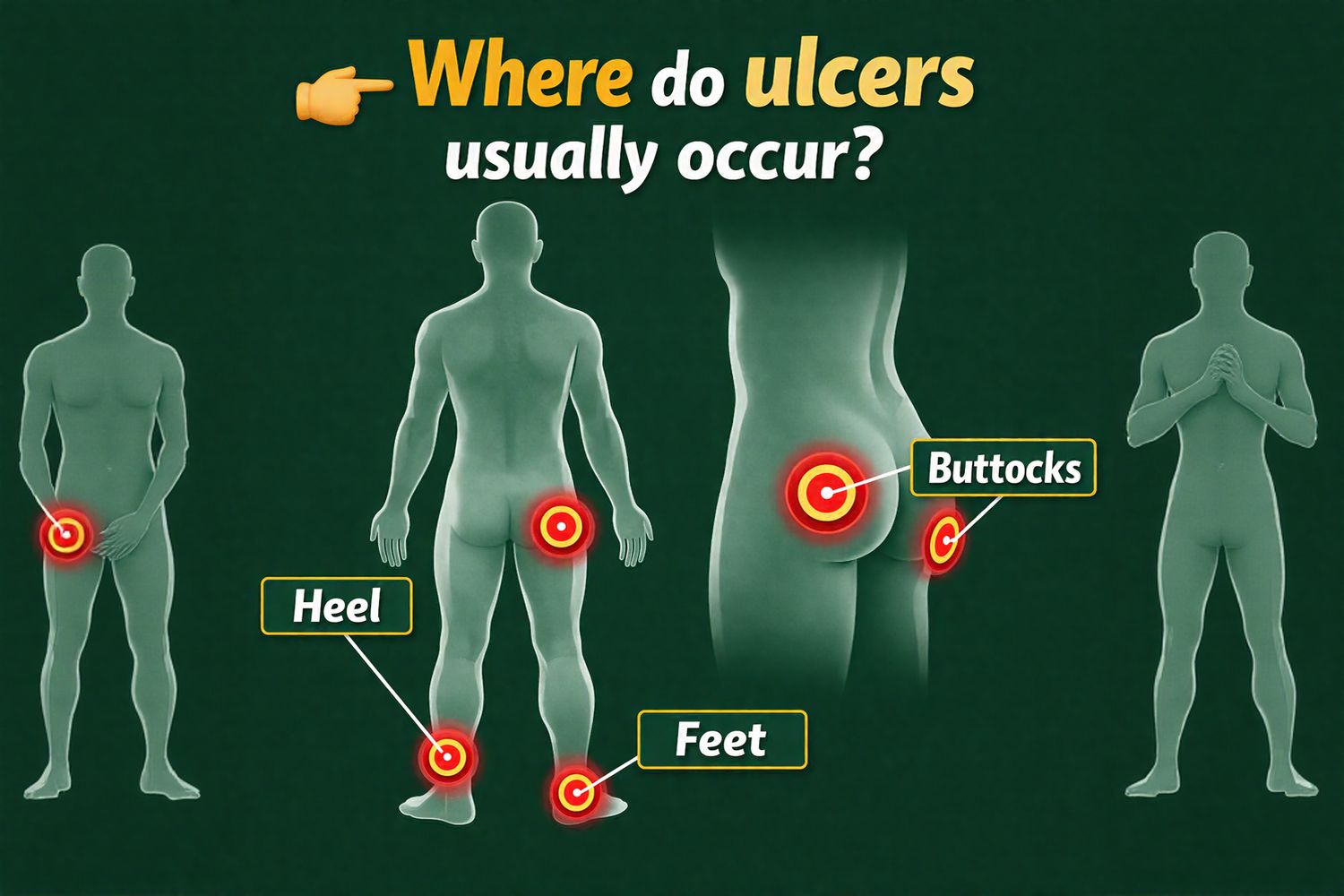
The three most common sites for pressure ulcers are:
- Sacrum (lower back/buttocks)
- Heels
- Hips (greater trochanter)
These areas are most vulnerable because they bear sustained pressure over bony prominences, especially in patients with limited mobility.
Why Pressure Ulcers Develop in Specific Areas
Pressure ulcers, also called pressure injuries, occur when prolonged pressure reduces blood flow to the skin and underlying tissue. Without adequate circulation, tissue damage can begin within hours.
High-risk areas typically share three characteristics:
- Close proximity to bone
- Minimal soft tissue cushioning
- Frequent contact with support surfaces (bed, wheelchair)
Clinical guidelines consistently emphasize that identifying these anatomical risk zones is essential for early prevention and intervention.
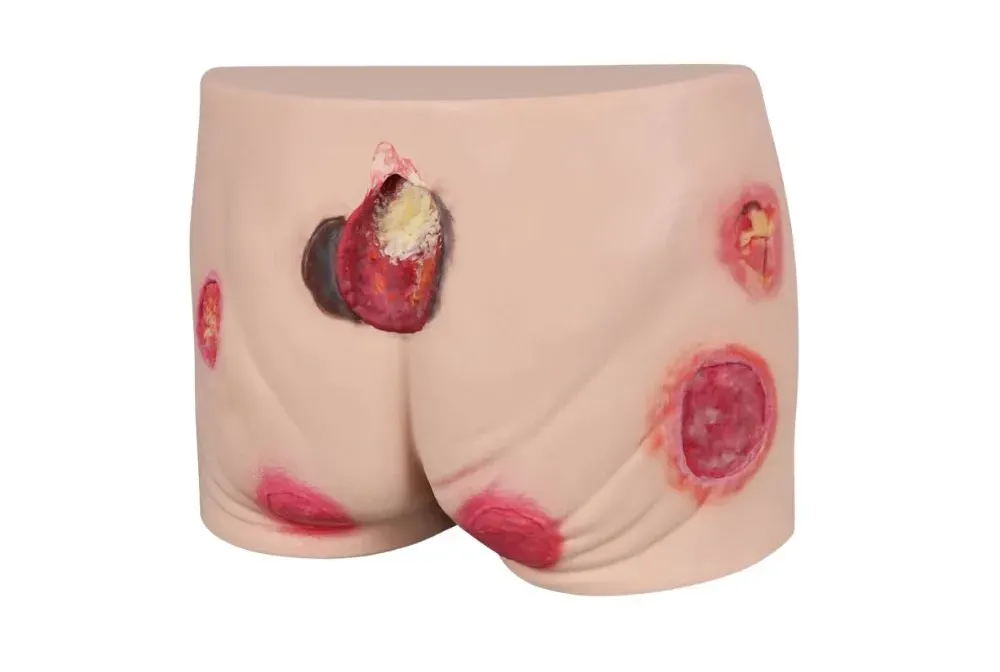
1. Sacrum (Buttocks): The Most Common Site
The sacral area is the most frequently affected site, particularly in patients who remain in a supine (lying on the back) position for extended periods.
Why the sacrum is high-risk:
- Continuous pressure from body weight
- Thin tissue layer over the sacral bone
- Higher exposure to moisture and skin breakdown
Clinical insight:
Sacral pressure injuries are often the first to appear in immobile patients and can progress quickly without early detection.
Regular repositioning and skin inspection are critical in this area.
2. Heels: Small Area, High Pressure
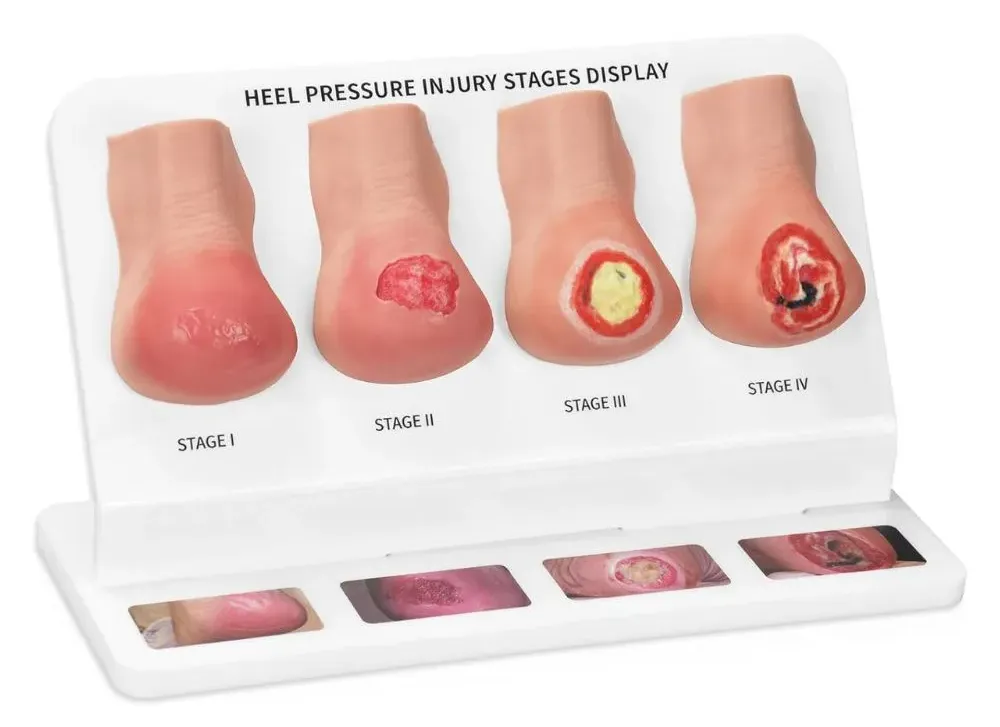
The heels are especially prone to pressure injuries in bedridden patients.
Why heels are vulnerable:
- Very limited soft tissue padding
- Concentrated pressure on a small surface area
- Constant contact with mattress surfaces
Clinical insight:
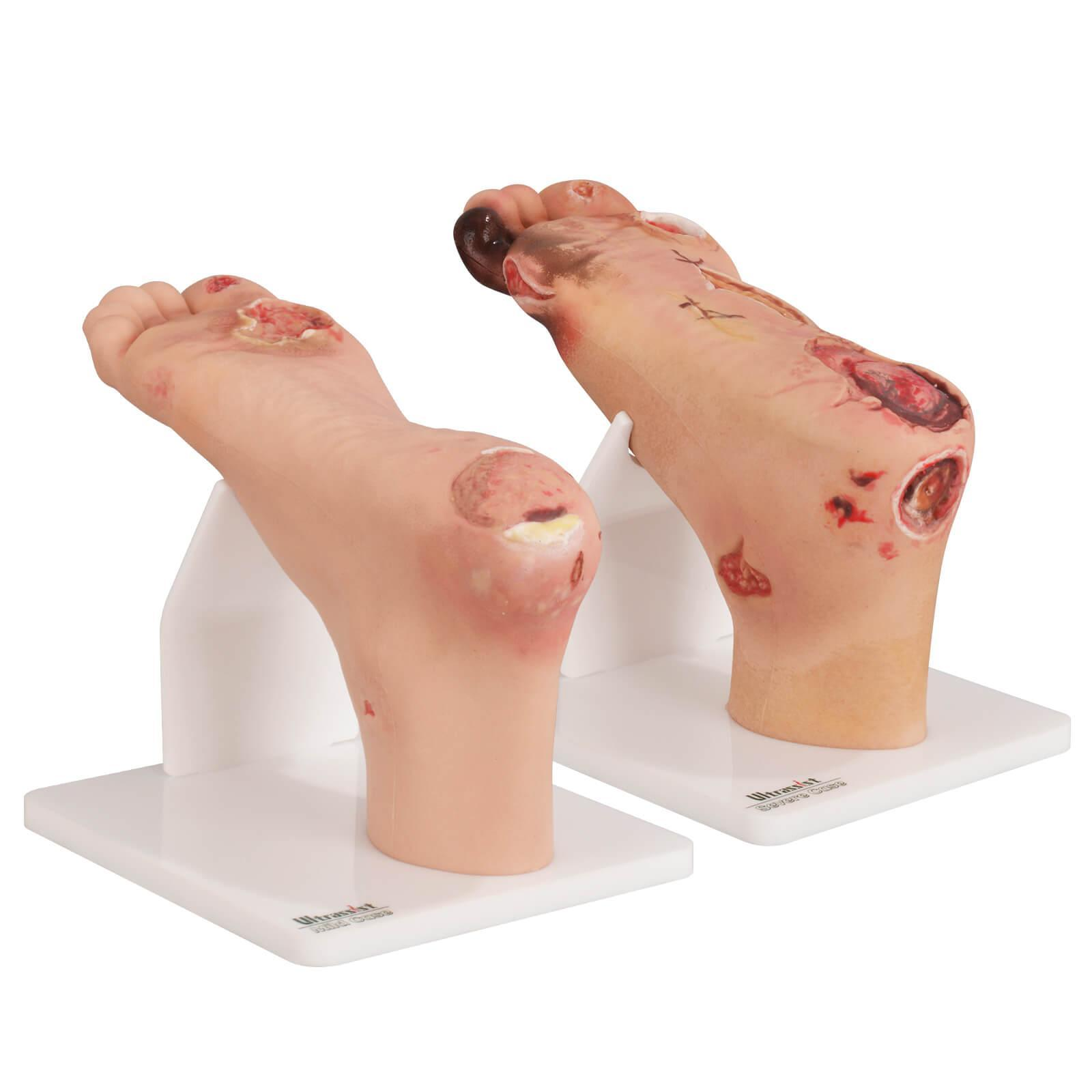
Heel ulcers are easy to miss during routine checks, but can deteriorate rapidly. Offloading (lifting the heel off the surface) is a key preventive measure.
3. Hips (Greater Trochanter): Risk in Side-Lying Positions
The hip region, particularly the greater trochanter, is commonly affected in patients who lie on their side.
Why are the hips vulnerable?
- Direct pressure during lateral positioning
- Prominent bone structure
- Friction and shear during repositioning
Clinical insight:
Improper positioning techniques can significantly increase the risk of pressure injuries in this area, especially in long-term care settings.
Other Common (But Less Frequent) Sites
While sacrum, heels, and hips are the primary sites, pressure ulcers may also develop on:
- Ankles
- Elbows
- Shoulder blades
- Back of the head
These locations become more relevant depending on patient positioning and medical condition.
Prevention Depends on Early Recognition
Identifying high-risk areas is only the first step. Evidence-based prevention strategies include:
- Scheduled repositioning
- Pressure redistribution surfaces
- Skin assessment protocols
- Moisture management
Consistent application of these practices significantly reduces incidence rates.
How Training Improves Clinical Outcomes
In healthcare education, understanding pressure ulcer locations is not just theoretical—it requires visual recognition and hands-on practice.
For example:
- Learning to identify early-stage skin changes on the sacrum
- Comparing different ulcer stages across heel injuries
- Practicing positioning techniques to reduce hip pressure
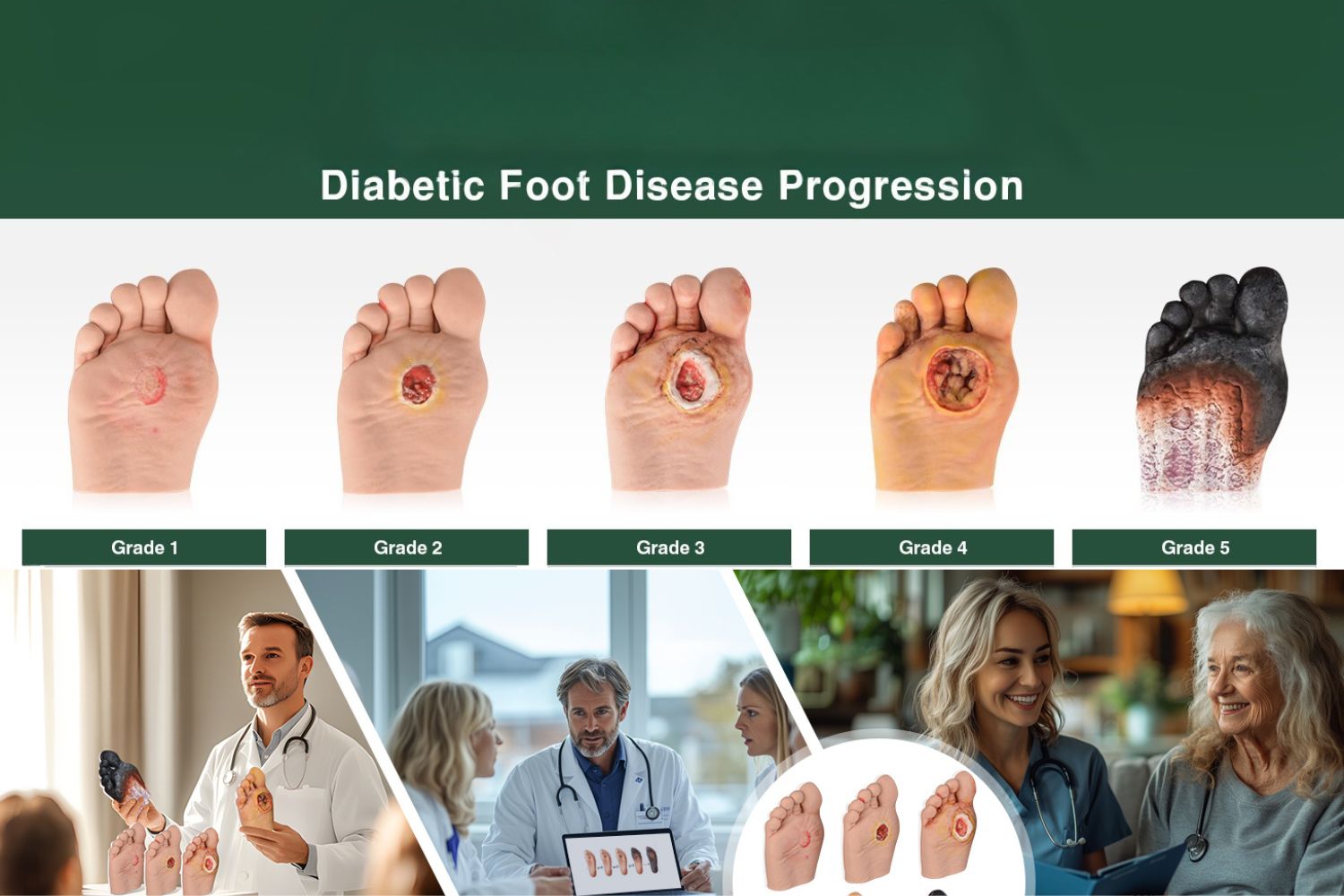
Educational tools such as pressure injury staging models or anatomical simulators are often used to support this learning process.
If you're exploring how staging is visually taught, you can refer to this guide on pressure ulcer staging models or examples like heel pressure injury stages display models to better understand how progression is demonstrated in training contexts.
These resources are typically used in nursing education, clinical skills labs, and caregiver training programs, not for treatment, but for skill development and standardization.
Key Takeaways
- The sacrum, heels, and hips are the three most common pressure ulcer sites
- These areas are vulnerable due to pressure over bony prominences
- Early identification and repositioning are critical for prevention
- Training and visual tools help improve recognition and care consistency
Conclusion
Understanding where pressure ulcers most commonly occur helps healthcare providers focus their assessment and prevention efforts.
By combining anatomical knowledge with consistent care practices, and reinforcing both through structured training, clinicians and caregivers can significantly reduce the risk of pressure injuries and improve patient outcomes.

.jpg?w=1500&h=1500)
.jpg?w=1407&h=1500)
.jpeg?w=1000&h=1000)
.png?w=1000&h=1000)
.jpeg?w=1600&h=1600)

.jpeg?w=1600&h=1600)
.jpg?w=1000&h=1000)
.jpeg?w=1000&h=1000)
.jpg?w=1500&h=1081)
.jpeg?w=1500&h=1500)
.jpeg?w=1500&h=1500)