
In my early years of medical practice, I encountered many patients who underestimated liver disease due to its "silent" progression. One patient, in particular, was diagnosed with advanced non-alcoholic fatty liver disease (NAFLD) only after experiencing severe fatigue and abdominal discomfort. This experience strengthened my commitment to educating both medical students and the public about early liver disease recognition and prevention.
What Is a Normal Liver and Why Is It Important?
The normal liver is a vital organ responsible for metabolism, detoxification, and synthesis of essential proteins. A healthy liver has a smooth surface and uniform texture, with well-defined lobes and functioning bile ducts. A normal liver model can help medical students and patients visualize its four lobes, gall bladder, and vascular structures. Understanding normal anatomy makes it easier to spot abnormalities early.
Signs and Early Symptoms of Liver Disease
Liver disease often progresses silently, but early signs may include:
- Fatigue and weakness
- Mild abdominal discomfort or fullness in the upper right abdomen
- Jaundice (yellowing of skin and eyes, usually in advanced stages)
- Unexplained weight loss
- Swelling in legs or abdomen (ascites) in later stages
What Is Fatty Liver Disease?
Fatty liver disease occurs when excess fat builds up in liver cells.
- Alcoholic Fatty Liver (AFLD): Caused by excessive alcohol consumption. Learn more with our alcoholic fatty liver model, which shows realistic changes in texture and color.
- Non-Alcoholic Fatty Liver Disease (NAFLD): Common in people with obesity, diabetes, or poor diet, without heavy alcohol use. Visual aids like a fatty liver model are invaluable for patient education.
NAFLD is increasingly common and closely linked to obesity, diabetes, and metabolic syndrome.
Signs specific to fatty liver include:
- Mild right upper abdominal pain or discomfort
- Elevated liver enzymes on blood tests
- Sometimes no symptoms until progression to fibrosis
Symptoms of alcoholic fatty liver:
- Similar to NAFLD but associated with a history of excessive alcohol intake
- May include nausea, loss of appetite, and abdominal tenderness
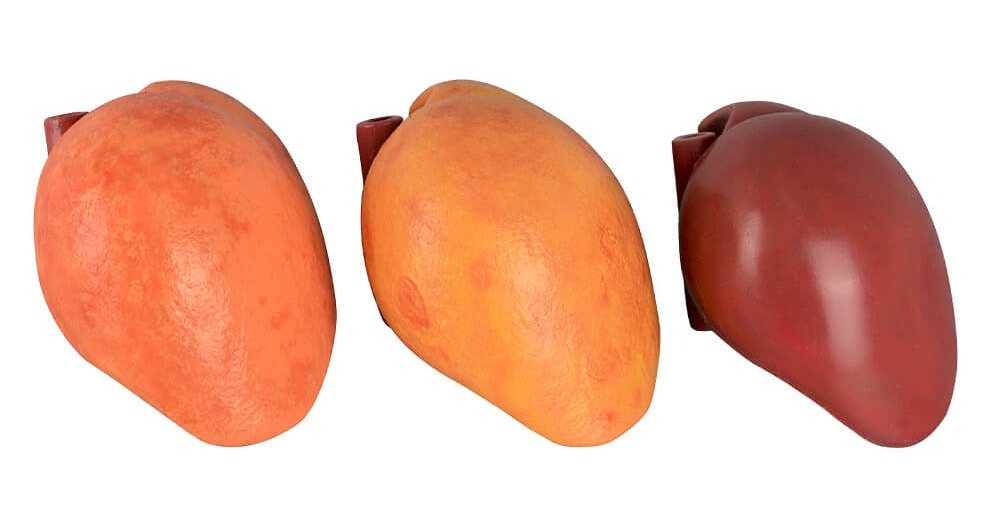
Understanding Liver Disease Stages
Liver disease progresses through several stages, commonly described as:
- Steatosis (Fatty Liver): Early fat buildup, reversible with lifestyle changes.
- Fibrosis: Scar tissue forms, but liver function remains partly intact.
- Cirrhosis: Severe scarring, irreversible damage.
- Liver Failure or Cancer: Life-threatening stage, requiring urgent treatment or transplant.
End-stage liver disease symptoms include severe jaundice, confusion (hepatic encephalopathy), bleeding tendencies, and fluid accumulation.
Prevention and Liver Health Tips
- Limit alcohol consumption
- Maintain a balanced diet
- Exercise regularly
- Monitor weight and blood sugar
- Get routine liver function tests
Educational tools like a liver model for training and teaching can enhance awareness in classrooms and clinics, helping people understand risks before it’s too late.


.jpg?w=1500&h=1500)
.jpg?w=1407&h=1500)
.jpeg?w=1000&h=1000)
.png?w=1000&h=1000)
.jpeg?w=1600&h=1600)

.jpeg?w=1600&h=1600)
.jpg?w=1000&h=1000)
.jpeg?w=1000&h=1000)
.jpg?w=1500&h=1081)
.jpeg?w=1500&h=1500)
.jpeg?w=1500&h=1500)