
Diabetic foot ulcers (DFUs) are one of the most severe complications faced by patients with diabetes, often leading to prolonged hospital stays, infections, and even amputations. According to the International Diabetes Federation, up to 25% of people with diabetes will develop a foot ulcer in their lifetime. For healthcare professionals, understanding and identifying the stages of diabetic foot ulcers is crucial for prevention, treatment, and patient education.
In this article, we'll explore the five main stages of diabetic foot ulcers, why stage-specific care matters, and how simulation-based learning tools like the Diabetic Foot Ulcer Grading Models can enhance wound care education and training.
What Are the Stages of Diabetic Foot Ulcers?
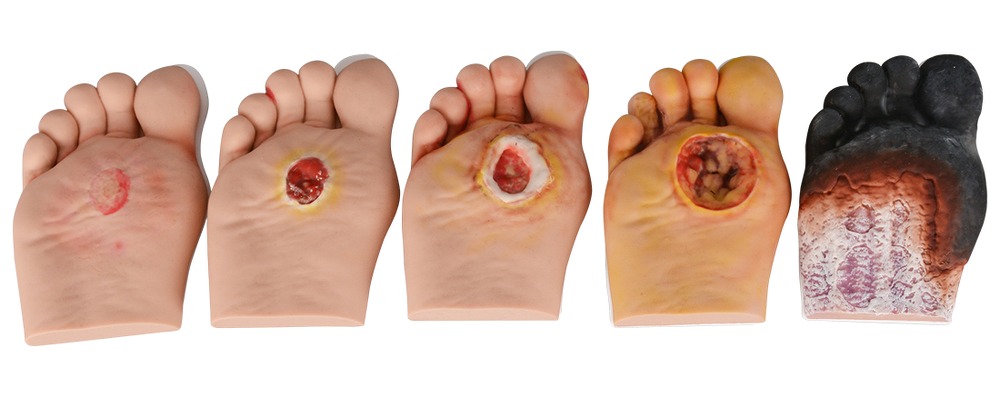
Diabetic foot ulcers are commonly categorized into five stages or grades based on severity. These stages help clinicians assess risk, plan treatment, and predict healing outcomes.
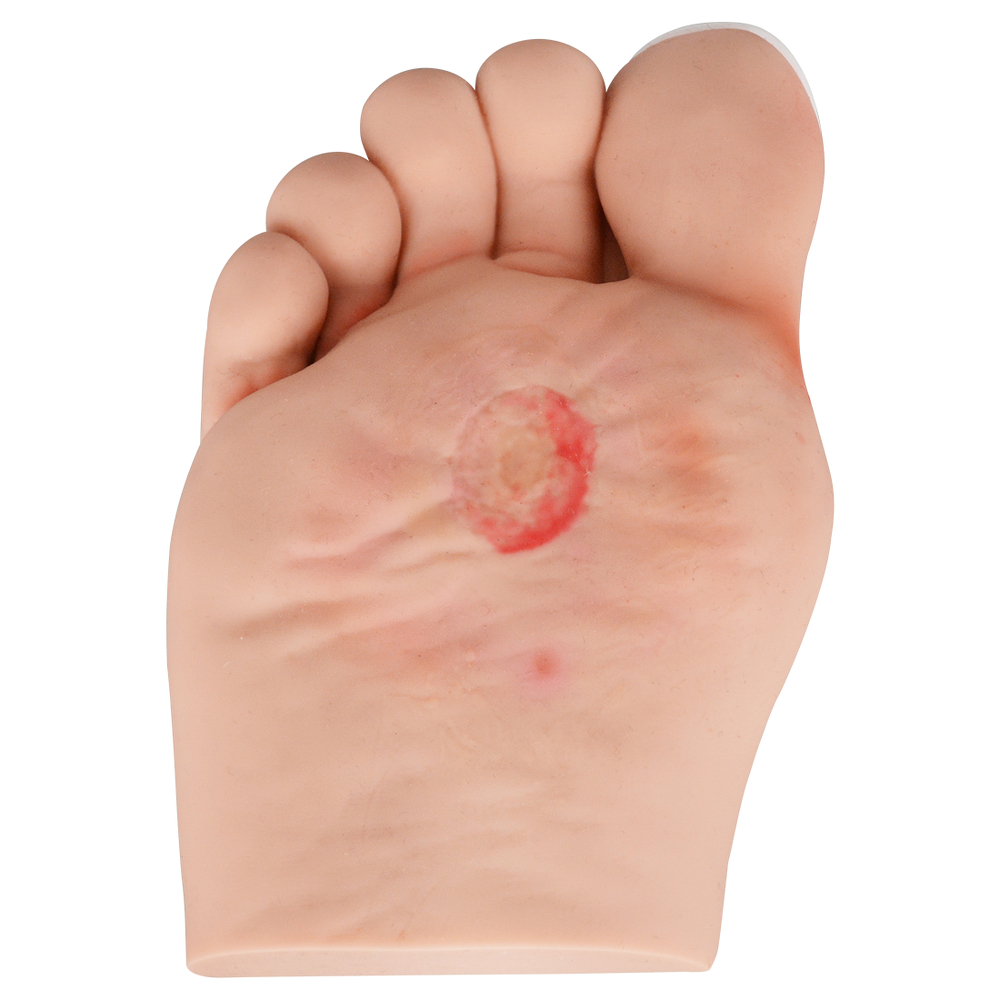
Grade 1: Superficial Ulcer
- Description: The ulcer is limited to the superficial layers of the skin, often presenting as a shallow, open sore.
- Clinical Concerns: At this stage, there's a high chance of healing with proper offloading, wound cleaning, and glucose control.
- Training Tip: Early recognition is key. Healthcare students must learn to spot subtle skin breakdowns in at-risk patients.
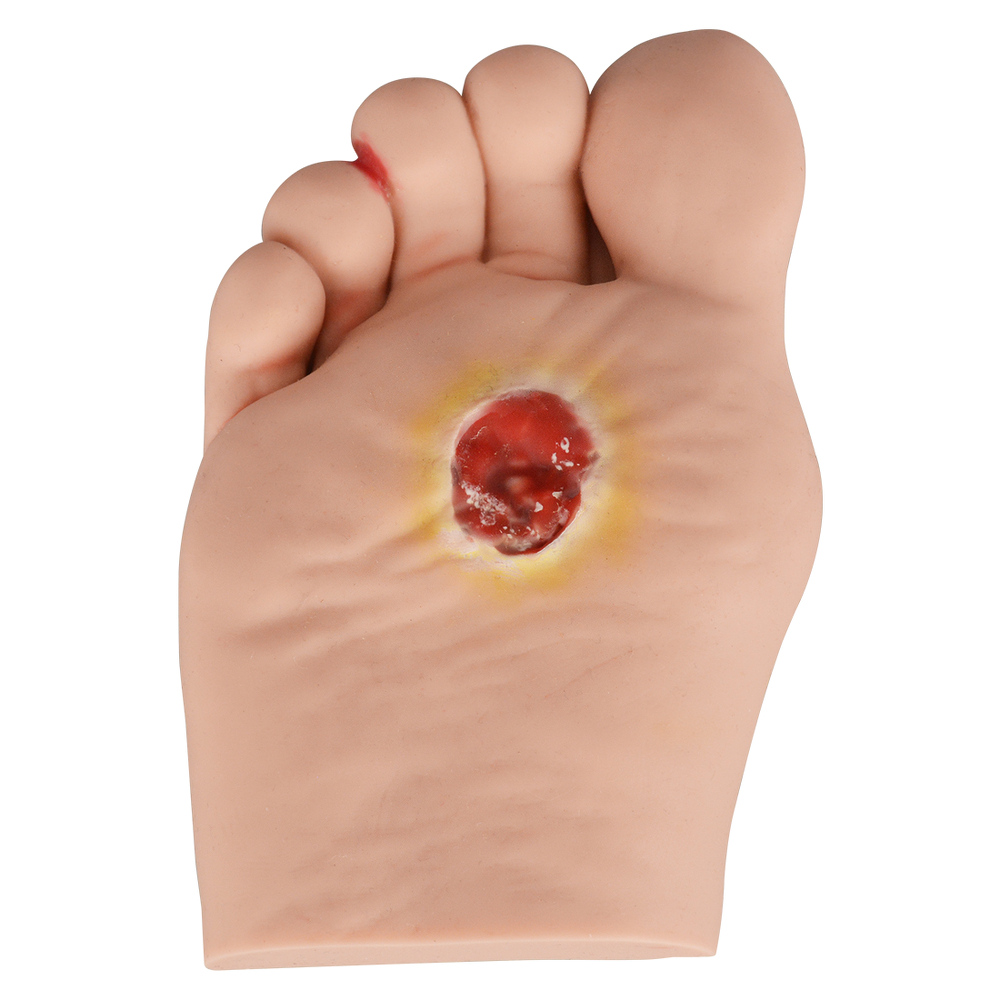
Grade 2: Deeper Ulcer Extension
- Description: The ulcer extends deeper into the subcutaneous tissue and may reach tendons or ligaments.
- Clinical Concerns: There's an increased risk of infection and delayed healing. Signs of inflammation may be more visible.
- Training Tip: Emphasis should be placed on infection prevention, proper dressing, and debridement techniques.
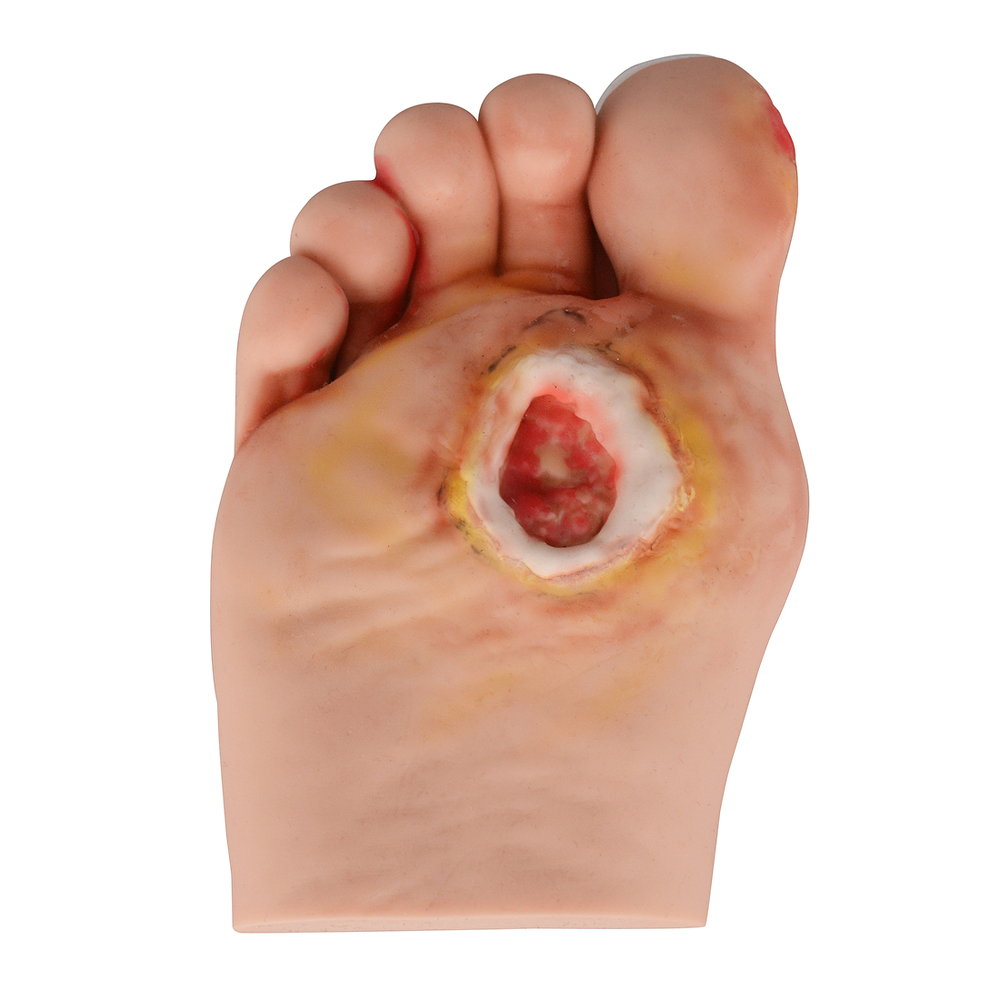
Grade 3: Ulcer with Deep Infection
- Description: The wound now includes abscess formation or osteomyelitis (bone infection).
- Clinical Concerns: Systemic symptoms may appear. Antibiotic therapy and surgical evaluation are often required.
- Training Tip: Learners must recognize signs of systemic involvement and understand when to escalate care.
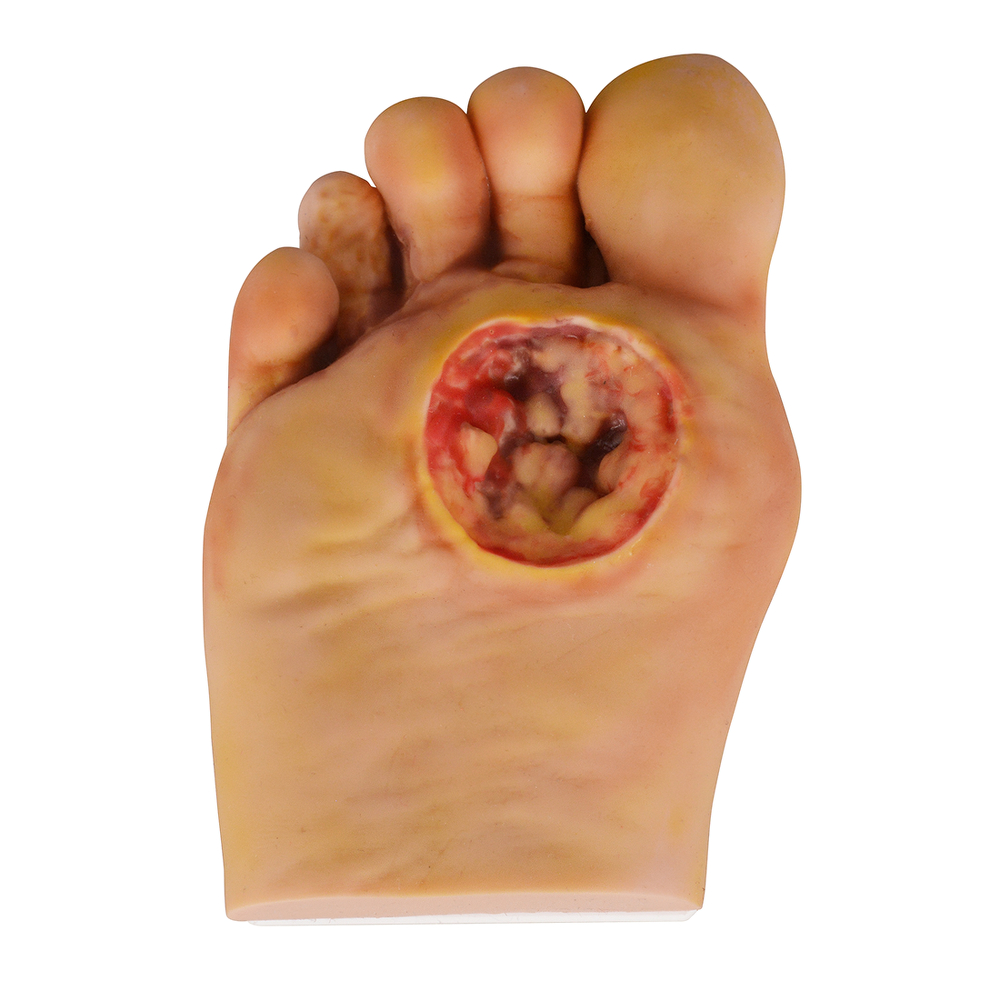
Grade 4: Local Gangrene
- Description: Gangrene affects a portion of the forefoot or toe, indicating severe ischemia and tissue necrosis.
- Clinical Concerns: Limb salvage becomes more difficult; surgical removal of necrotic tissue may be required.
- Training Tip: At this stage, multidisciplinary care (vascular, infectious disease, wound specialists) is essential.
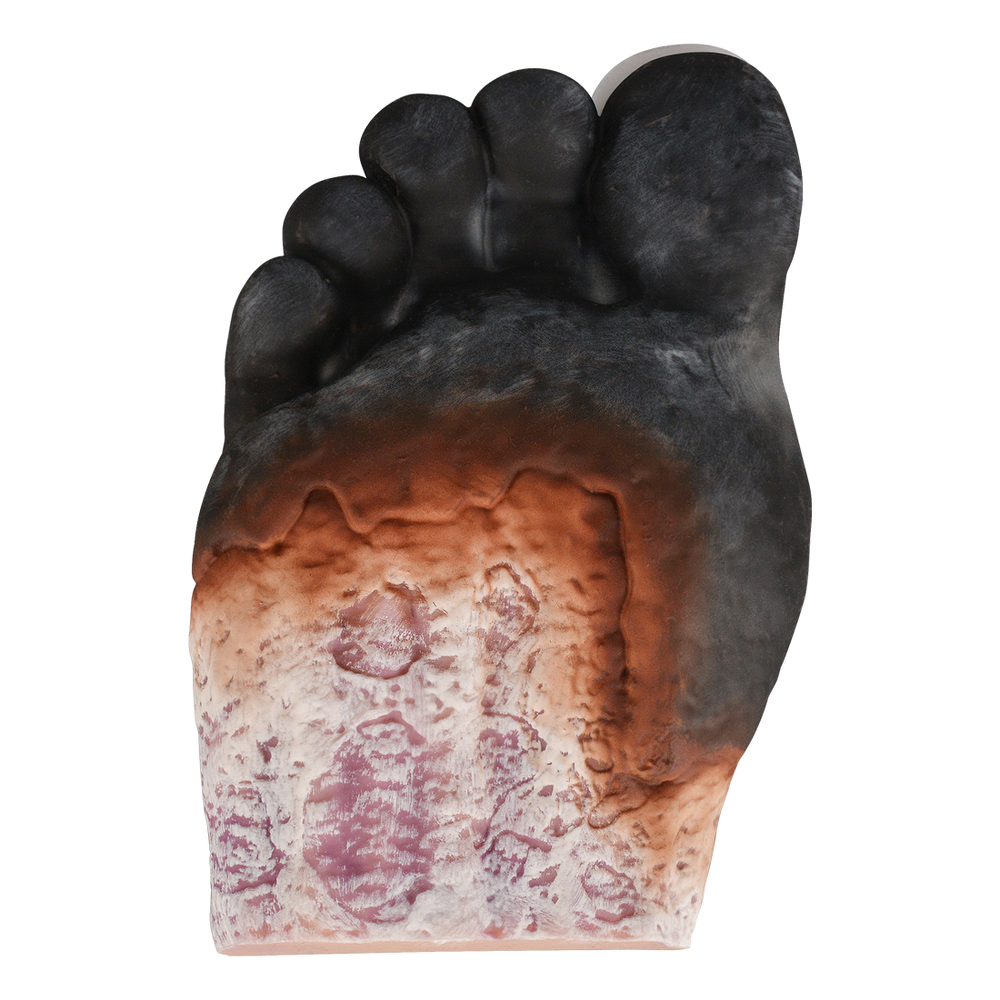
Grade 5: Extensive Gangrene
- Description: Gangrene has spread across a large portion of the foot, often necessitating major amputation.
- Clinical Concerns: Prognosis is poor, and quality of life significantly declines if not addressed early.
- Training Tip: Prevention and early detection are more critical than ever; students should understand risk assessment protocols.
Why Simulation-Based Learning Matters
Classroom instruction and textbook images can only go so far. For real comprehension, especially in wound care, students benefit from hands-on exposure to realistic cases. That’s where diabetic foot simulation models come in.
The Diabetic Foot Ulcer Grading Models by Ultrassist is a powerful teaching aid. It includes five life-size models, each representing a progressive stage of diabetic foot ulcers - from early skin breakdown to extensive gangrene.
These models help:
- Visualize the progression of DFUs clearly
- Enhance clinical judgment and triage skills
- Promote early intervention awareness
- Enable realistic wound care training without risk to real patients
Who Can Benefit From This Training Tool?
The Diabetic Foot Grading Simulation Kit is ideal for:
- Nursing and medical school faculty
- Diabetes educators and podiatry students
- Wound care certification programs
- Hospitals conducting in-house staff training
- Health organizations promoting diabetic foot care awareness
Whether you're teaching advanced wound care or community-based prevention, this simulation set elevates your curriculum.
Understanding the diabetic foot ulcer stages is not just about diagnosis, it's about intervention, education, and saving limbs. With tools like the Diabetic Foot Ulcer Grading Models, educators and clinicians can foster more effective, confident, and compassionate care.
Explore more at:
🔗 Ultrassist Diabetic Foot Ulcer Grading Models




.jpg?w=1500&h=1500)
.jpg?w=1407&h=1500)
.jpeg?w=1000&h=1000)
.png?w=1000&h=1000)
.jpeg?w=1600&h=1600)

.jpeg?w=1600&h=1600)
.jpg?w=1000&h=1000)
.jpeg?w=1000&h=1000)
.jpg?w=1500&h=1081)
.jpeg?w=1500&h=1500)
.jpeg?w=1500&h=1500)