
.jpeg?w=1000&h=1000&q=80)
.jpeg?w=1000&h=1000&q=80)
.jpg?w=1000&h=1000&q=80)
.jpg?w=1000&h=1000&q=80)
.jpeg?w=1000&h=1000&q=80)
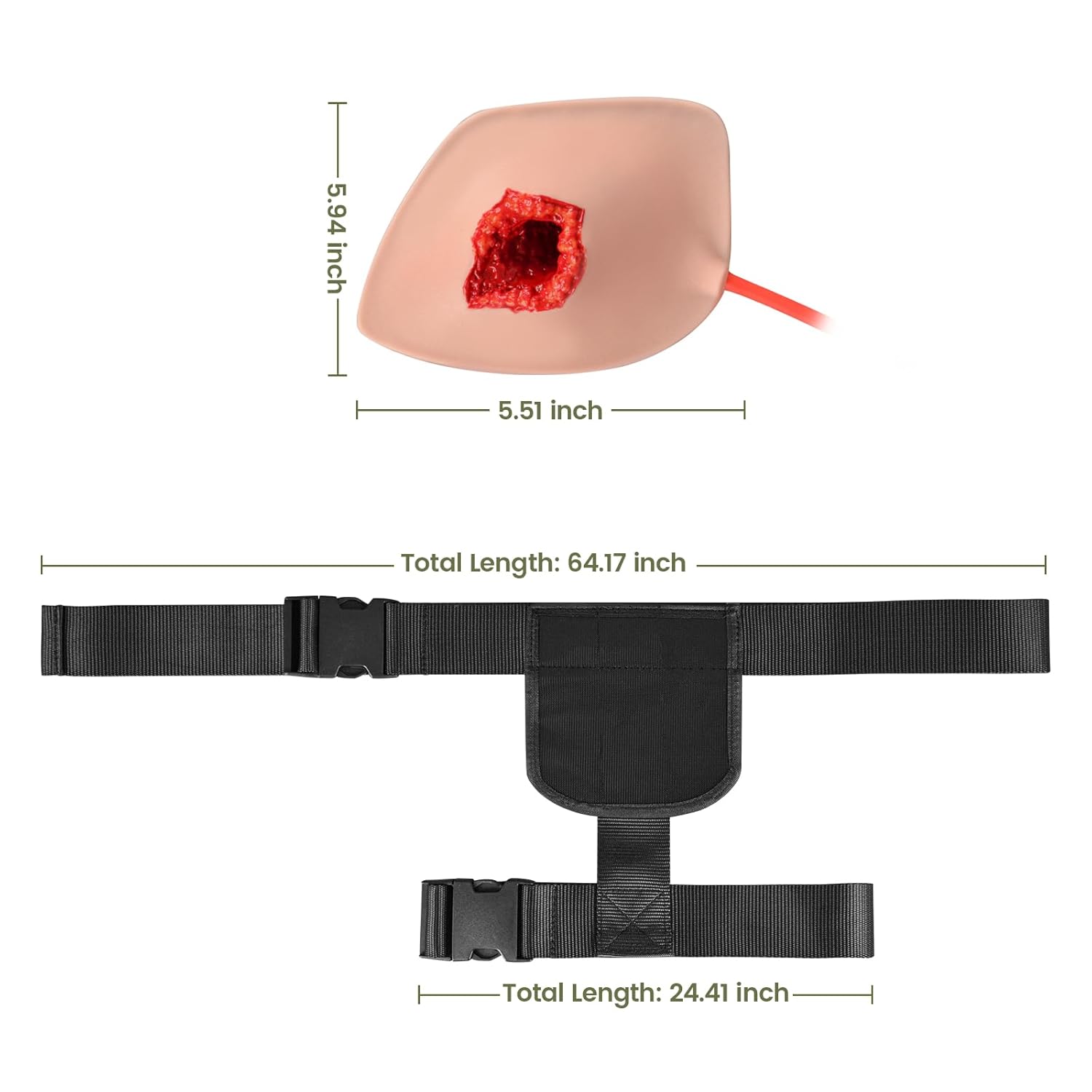
Entraîneur de hémorragie par balle inguinale portable
FAQ sur la livraison et les retours
Shipment
1. Combien coûte l'expédition ?
Les frais d'expédition dépendent de la destination et du poids du produit. Vous pouvez voir le coût final de l'expédition lors du paiement. Le coût est calculé automatiquement en temps réel.
2. Quand ma commande sera-t-elle expédiée ?
Les articles en stock sont généralement traités et expédiés dans un délai de 1 à 3 jours ouvrables après la confirmation du paiement. Si un article est temporairement en rupture de stock, nous vous contacterons avec un calendrier mis à jour.
3. D'où expédiez-vous ?
Nous expédions depuis le dépôt disponible le plus proche chaque fois que cela est possible, y compris notre dépôt aux États-Unis. Si le stock local n'est pas disponible, votre commande peut être expédiée depuis notre dépôt principal en Chine.
4. Combien de temps prendra la livraison ?
Les délais de livraison estimés sont :
-
Expédition locale aux États-Unis : 3 à 5 jours
-
Expédition internationale standard : 8 à 20 jours ouvrables
Le dédouanement ou les emplacements éloignés peuvent nécessiter un temps supplémentaire. L'expédition accélérée peut être disponible sur demande.
5. Comment puis-je suivre ma commande ?
Une fois votre commande expédiée, nous vous enverrons un numéro de suivi par e-mail. Le suivi peut prendre 1 à 2 jours pour devenir actif après l'expédition.
Suivez votre commande : https://www.17track.net/en
Retour et Remboursement
1. Quelle est votre politique de retour ?
Les retours ou remboursements sont disponibles dans les 7 jours suivant la réception de votre commande si le produit est non utilisé, dans son état d'origine et présente un problème de qualité.
Si vous avez reçu le bon produit et qu'il n'y a pas de problème de qualité, nous n'acceptons pas les retours ou remboursements.
2. Que faire si je reçois un article endommagé ou incorrect ?
Veuillez nous contacter dès que possible après la livraison avec votre reçu de commande ou votre numéro de commande et des photos ou vidéos montrant le problème du produit ou de l'emballage. Nous examinerons le problème et organiserons un échange ou une solution appropriée.
3. Comment demander un retour ou un remplacement ?
Veuillez contacter notre équipe de service client avec votre reçu de commande ou votre preuve d'achat et des photos ou vidéos montrant le problème. Nous examinerons votre demande et vous guiderons à travers les prochaines étapes.
Envoyez-nous un e-mail : sales@ultrassist.com
Le Wearable Inguinal Gunshot Wound Hemorrhage Trainer simule des blessures par balle réalistes à l'aine et des saignements, aidant les apprenants à développer des compétences en contrôle des hémorragies et en emballage des blessures lors de la formation à la réponse d'urgence.
Caractéristiques :
-
Simulation réaliste de blessures par balle et d'hémorragies de jonction
Simule des blessures par balle à l'aine réalistes avec saignement contrôlable, aidant les stagiaires à pratiquer le contrôle des hémorragies et l'emballage des blessures dans des scénarios réalistes. -
Conception portable pour une formation pratique
Des sangles ajustables sécurisent le gilet autour de la taille et de la cuisse, permettant une formation sur les deux côtés de l'aine, avec une mobilité totale pour des exercices dynamiques. -
Repositionnement rapide et flexibilité des scénarios
Des attaches en Velcro permettent un ajustement facile de la plaie en silicone pour des configurations d'entraînement diverses, des positions d'acteurs ou des exercices de multi-traumatismes. -
Durable et portable
Fabriqué en silicone de haute qualité et en matériaux renforcés, garantissant une utilisation répétée dans les salles de classe, les laboratoires de simulation ou les exercices sur le terrain. -
Soutient des compétences d'urgence avancées
Idéal pour les EMS, la médecine tactique, les premiers intervenants et les cours Stop the Bleed, améliorant la prise de décision et la réponse rapide aux urgences d'hémorragie de jonction. -
Amélioration optionnelle
Pour un réalisme supplémentaire, de la poudre de sang simulée peut être utilisée pour reproduire des scénarios de saignement actif lors de la formation à l'emballage des blessures.
Le paquet comprend :
- Modèle de plaie à l'aine x1
- Gaze x4
- Tapis de saignement propre x1
- Sac d'infusion x1
Ajoutez de la poudre de sang simulée pour des scénarios d'entraînement plus réalistes en matière de saignement et de traumatisme.
Spécifications :
- SKU : UA04033
- Marque : Ultrassist
- Matériau du formateur de plaie : Silicone
- Application : Pratique de l'emballage des blessures et de l'hémostase
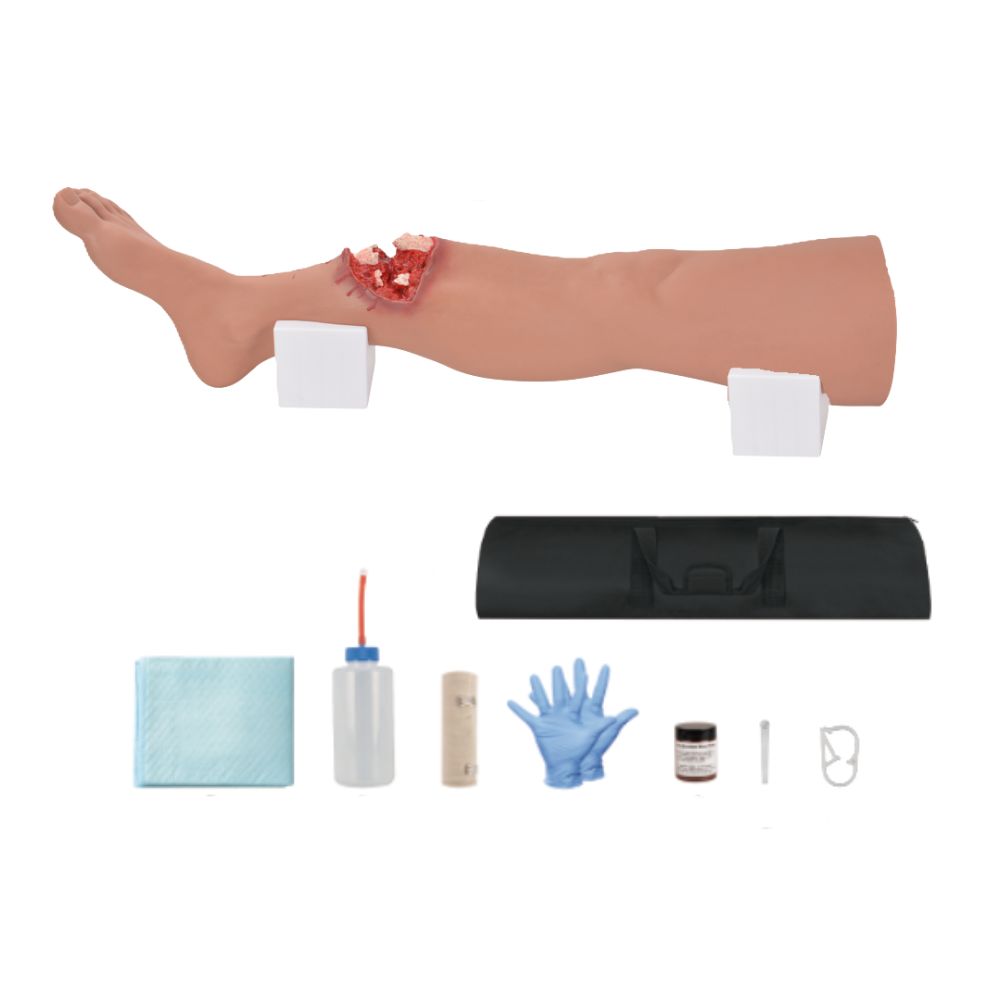
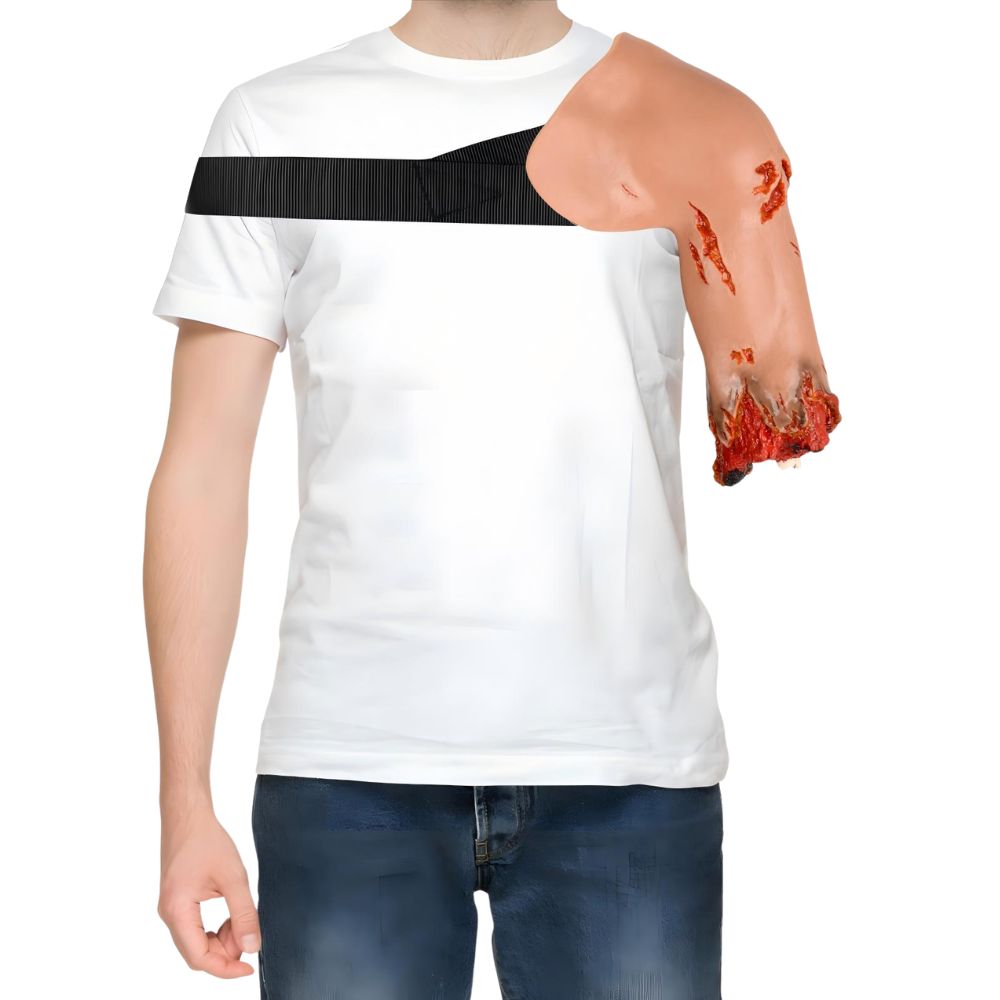
Améliorez votre formation en traumatisme avec d'autres formateurs d'emballage de blessures professionnels d'Ultrassist.
Commandes traitées en 1 à 3 jours ouvrables
Livraison mondiale avec suivi ; tarifs indiqués au moment du paiement
Cartes, PayPal, Apple Pay, Google Pay et T/T
Tarification spéciale pour plusieurs unités
Produits personnalisés selon votre design, échantillon ou exigences
Support pour les problèmes de produit et retours & échanges éligibles
Obtenez des prix pour des commandes en gros ou personnalisées
Support avant et après l'achat
_1445x.jpeg?w=1000&h=1000&q=80)
_1445x.jpeg?w=1000&h=1000&q=80)
_1445x.jpg?w=1000&h=1000&q=80)
_1445x.jpg?w=1000&h=1000&q=80)
_1445x.jpeg?w=1000&h=1000&q=80)

.jpg?w=1500&h=1500)
.jpg?w=1500&h=1500)
.jpeg?w=1000&h=1000)
.jpeg?w=1000&h=1000)
.jpeg?w=1000&h=1000)
.jpeg?w=1000&h=1000)
.jpeg?w=1000&h=1000)
.jpeg?w=1000&h=1000)
.jpeg?w=1000&h=1000)
.jpeg?w=1000&h=1000)
.jpg?w=1000&h=1000)
.jpg?w=1000&h=1000)
.jpg?w=1000&h=1000)
.jpeg?w=1500&h=1500)
.jpeg?w=1500&h=1500)
.jpg?w=1000&h=1000)
.jpg?w=1000&h=1000)
.jpeg?w=1500&h=1500)
.jpg?w=1000&h=1000)
.jpg?w=1246&h=1500)
.jpg?w=1000&h=1000)
.jpeg?w=1000&h=1000)