
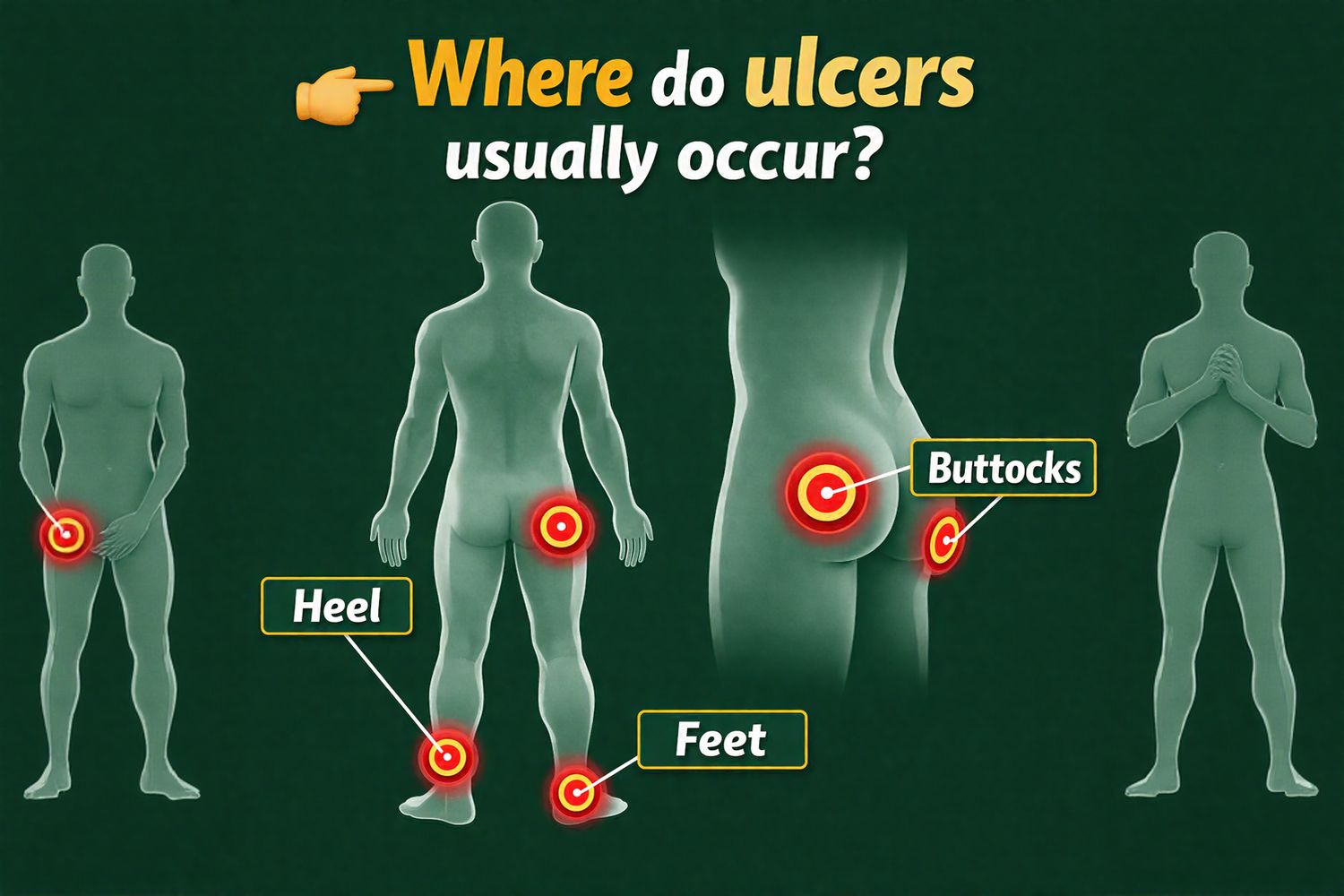
Die drei häufigsten Stellen für Druckgeschwüre sind:
- Kreuzbein (unterer Rücken/Gesäß)
- Fersen
- Hüften (großer Rollhügel)
Diese Bereiche sind am anfälligsten, da sie über knöcherne Vorsprünge hinweg konstantem Druck ausgesetzt sind, insbesondere bei Patienten mit eingeschränkter Mobilität.
Warum Druckgeschwüre in bestimmten Bereichen entstehen
Druckgeschwüre, auch Druckverletzungen genannt, entstehen, wenn anhaltender Druck den Blutfluss zur Haut und zum darunterliegenden Gewebe verringert. Ohne ausreichende Durchblutung kann Gewebeschaden innerhalb von Stunden beginnen.
Hochrisikobereiche weisen typischerweise drei Merkmale auf:
- Nahe Lage zu Knochen
- Minimale Weichgewebepolsterung
- Häufiger Kontakt mit Unterstützungsoberflächen (Bett, Rollstuhl)
Klinische Richtlinien betonen konsequent, dass die Identifizierung dieser anatomischen Risikozonen entscheidend für die frühzeitige Prävention und Intervention ist.
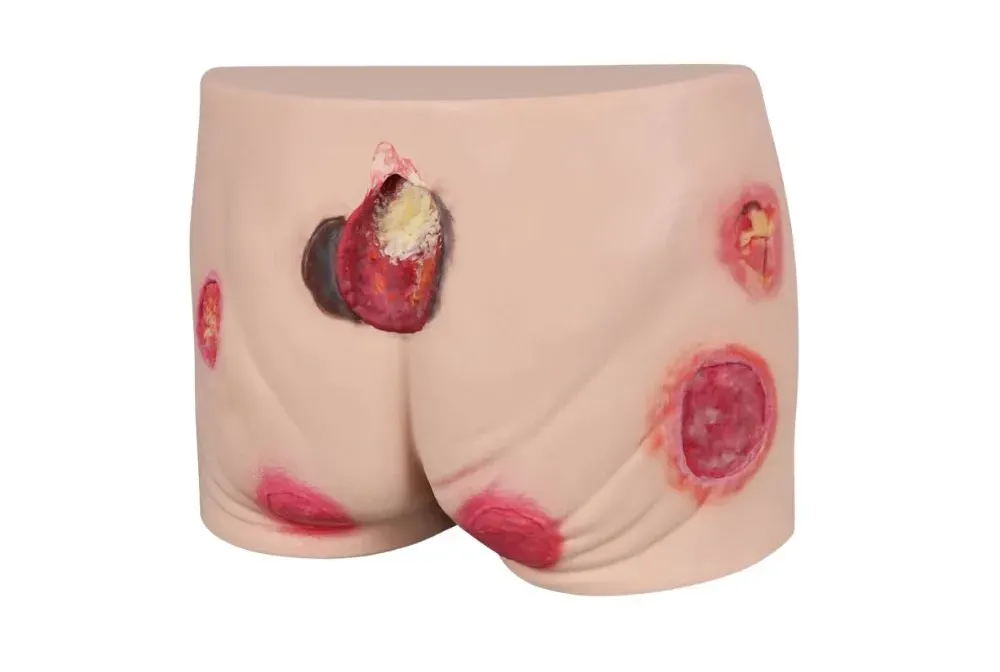
1. Kreuzbein (Gesäß): Die häufigste Stelle
Der sakrale Bereich ist die am häufigsten betroffene Stelle, insbesondere bei Patienten, die über längere Zeit in Rückenlage (auf dem Rücken liegend) bleiben.
Warum das Kreuzbein ein Hochrisikobereich ist:
- Kontinuierlicher Druck durch das Körpergewicht
- Dünne Gewebeschicht über dem sakralen Knochen
- Höhere Exposition gegenüber Feuchtigkeit und Hautschäden
Klinische Einsicht:
Druckverletzungen am Kreuzbein treten oft zuerst bei immobilen Patienten auf und können ohne frühzeitige Erkennung schnell fortschreiten.
Regelmäßige Umpositionierung und Hautinspektion sind in diesem Bereich entscheidend.
2. Fersen: Kleiner Bereich, hoher Druck
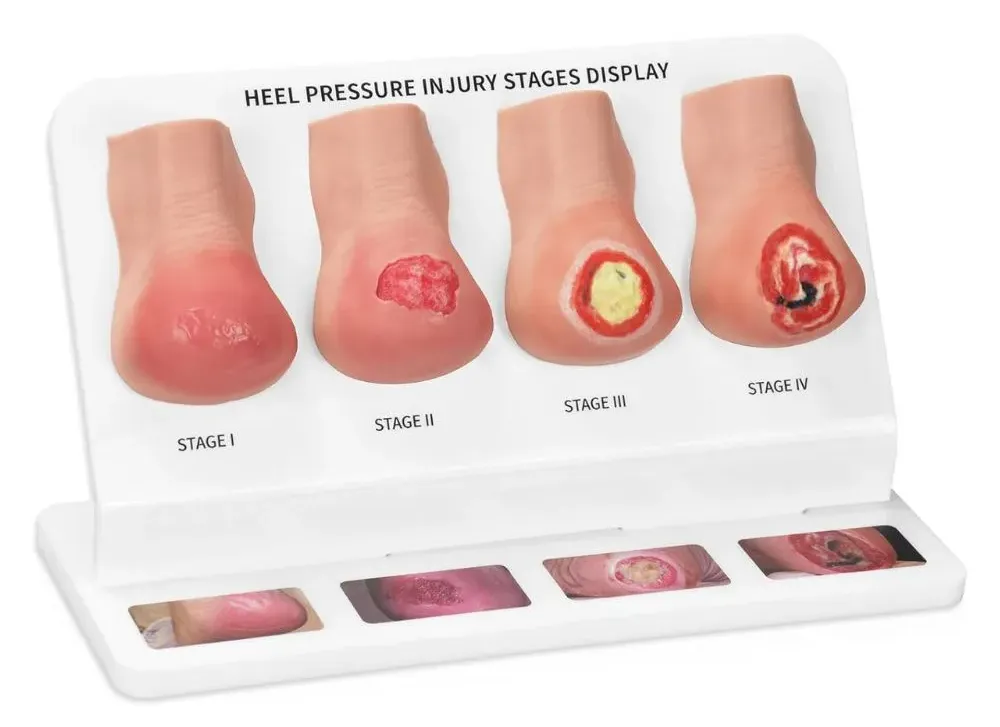
Die Fersen sind besonders anfällig für Druckverletzungen bei bettlägerigen Patienten.
Warum Fersen anfällig sind:
- Sehr begrenzte Weichgewebepolsterung
- Konzentrierter Druck auf einer kleinen Oberfläche
- Ständiger Kontakt mit Matratzenoberflächen
Klinische Einsicht:
Fersengeschwüre sind während routinemäßiger Kontrollen leicht zu übersehen, können jedoch schnell fortschreiten. Entlastung (das Anheben der Ferse von der Oberfläche) ist eine wichtige präventive Maßnahme.
3. Hüften (großer Rollhügel): Risiko in Seitenlage
Der Hüftbereich, insbesondere der große Rollhügel, ist häufig betroffen bei Patienten, die auf der Seite liegen.
Warum die Hüften anfällig sind?
- Direkter Druck während der seitlichen Positionierung
- Hervorstehende Knochenstruktur
- Reibung und Scherkräfte während der Umpositionierung
Klinische Einsicht:
Unzureichende Positionierungstechniken können das Risiko von Druckverletzungen in diesem Bereich erheblich erhöhen, insbesondere in der Langzeitpflege.
Andere häufige (aber weniger häufige) Stellen
Während Kreuzbein, Fersen und Hüften die Hauptstellen sind, können Druckgeschwüre auch an folgenden Stellen entstehen:
- Knöchel
- Ellenbogen
- Schulterblätter
- Hinterkopf
Diese Standorte werden je nach Patientenpositionierung und medizinischem Zustand relevanter.
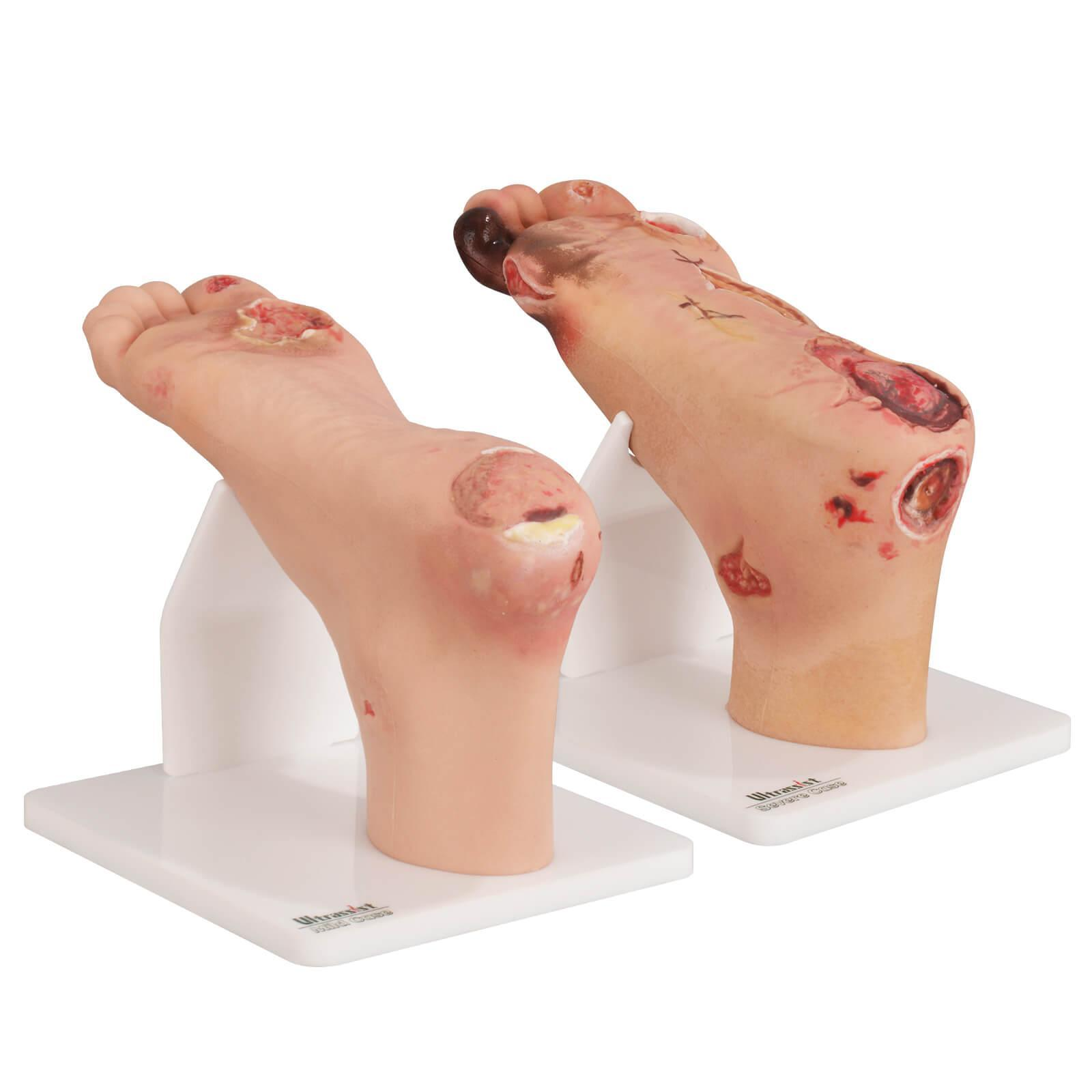
Prävention hängt von frühzeitiger Erkennung ab
Die Identifizierung von Hochrisikobereichen ist nur der erste Schritt. Evidenzbasierte Präventionsstrategien umfassen:
- Geplante Umpositionierung
- Druckverteilende Oberflächen
- Hautbewertungsprotokolle
- Feuchtigkeitsmanagement
Die konsequente Anwendung dieser Praktiken reduziert die Inzidenzraten erheblich.
Wie Schulungen klinische Ergebnisse verbessern
In der Gesundheitsbildung ist das Verständnis der Standorte von Druckgeschwüren nicht nur theoretisch – es erfordert visuelle Erkennung und praktische Übungen.
Zum Beispiel:
- Lernen, frühe Hautveränderungen am Kreuzbein zu identifizieren
- Vergleich verschiedener Geschwürstadien bei Fersenverletzungen
- Üben von Positionierungstechniken zur Druckreduktion an den Hüften
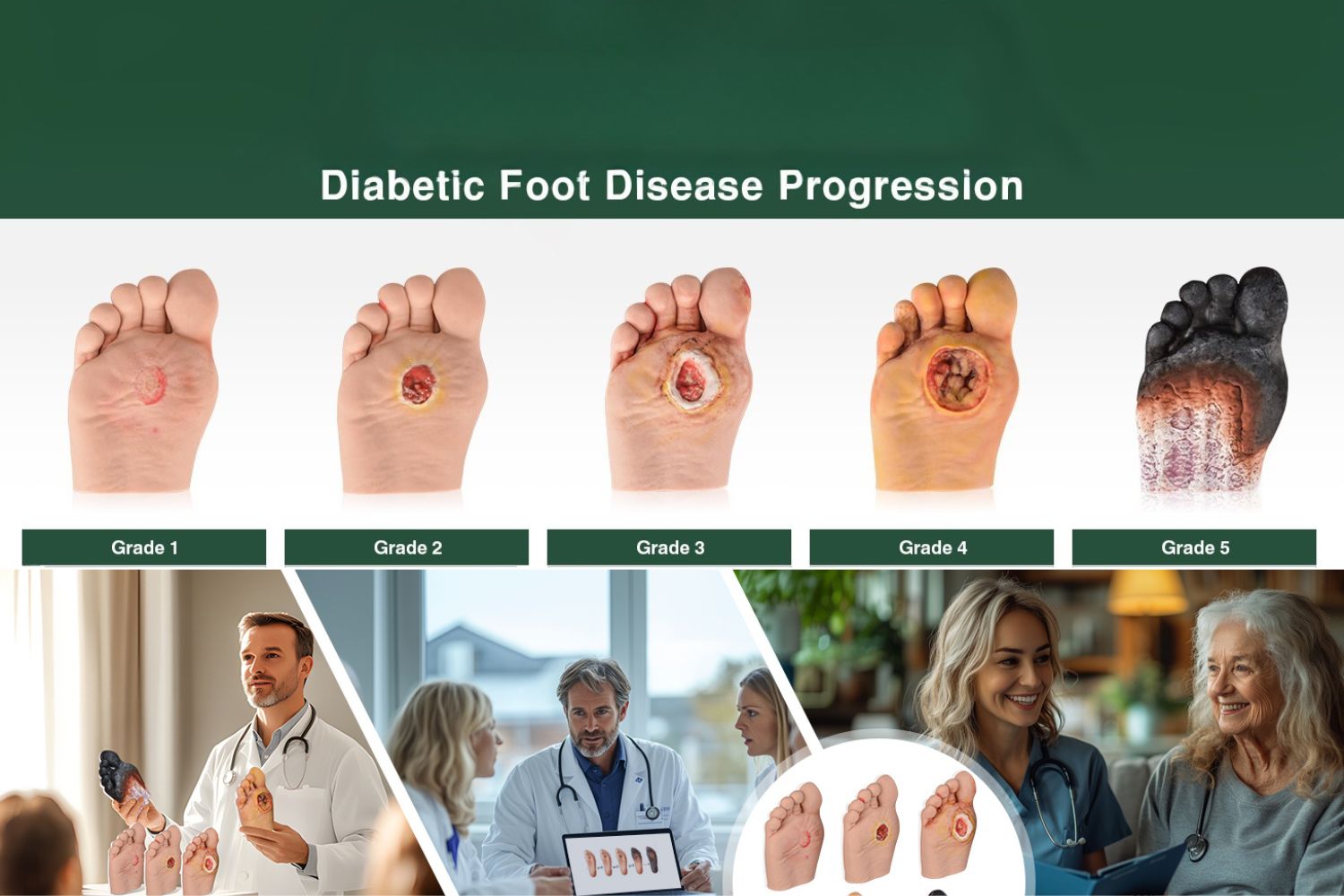
Bildungswerkzeuge wie Modelle zur Stadieneinteilung von Druckverletzungen oder anatomische Simulatoren werden häufig verwendet, um diesen Lernprozess zu unterstützen.
Wenn Sie erkunden, wie die Stadieneinteilung visuell gelehrt wird, können Sie auf diesen Leitfaden zu Modellen zur Stadieneinteilung von Druckgeschwüren oder Beispiele wie Modelle zur Darstellung von Stadien von Fersendruckverletzungen verweisen, um besser zu verstehen, wie der Fortschritt in Schulungskontexten demonstriert wird.
Diese Ressourcen werden typischerweise in der Pflegeausbildung, in klinischen Fertigkeitslaboren und in Schulungsprogrammen für Pflegekräfte verwendet, nicht zur Behandlung, sondern zur Entwicklung von Fähigkeiten und zur Standardisierung.
Wichtige Erkenntnisse
- Das Kreuzbein, die Fersen und die Hüften sind die drei häufigsten Stellen für Druckgeschwüre
- Diese Bereiche sind anfällig aufgrund des Drucks über knöcherne Vorsprünge
- Frühe Identifizierung und Umpositionierung sind entscheidend für die Prävention
- Schulungen und visuelle Werkzeuge helfen, die Erkennung und Konsistenz der Pflege zu verbessern
Fazit
Das Verständnis, wo Druckgeschwüre am häufigsten auftreten, hilft den Gesundheitsdienstleistern, ihre Beurteilungs- und Präventionsbemühungen zu fokussieren.
Durch die Kombination anatomischen Wissens mit konsequenten Pflegepraktiken und deren Verstärkung durch strukturierte Schulungen können Kliniker und Pflegekräfte das Risiko von Druckverletzungen erheblich reduzieren und die Patientenergebnisse verbessern.

.jpg?w=1500&h=1500)
.jpg?w=1407&h=1500)
.jpeg?w=1000&h=1000)
.png?w=1000&h=1000)
.jpeg?w=1600&h=1600)

.jpeg?w=1600&h=1600)
.jpg?w=1000&h=1000)
.jpeg?w=1000&h=1000)
.jpg?w=1500&h=1081)
.jpeg?w=1500&h=1500)
.jpeg?w=1500&h=1500)