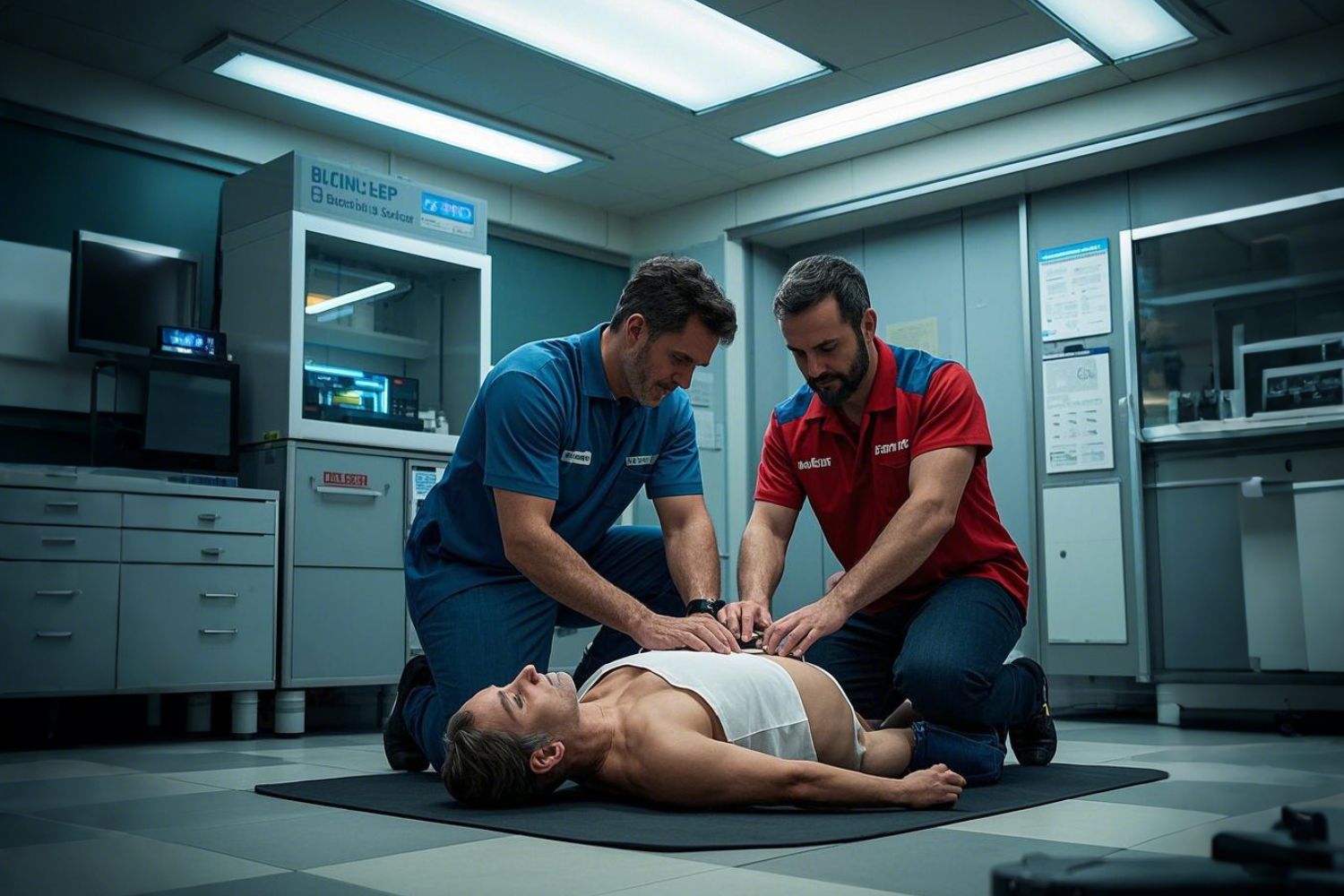
Infant airway management is one of the most critical aspects of pediatric care and emergency response. Whether in the NICU, ambulance, or ER, ensuring a patent airway can mean the difference between life and death. This guide breaks down the key differences between basic and advanced airway management in infants and shows how simulation training can help you master both.
Why Infant Airway Management Requires Special Attention
Infants have anatomical and physiological differences that make airway management more complex than in adults:
- Smaller, more flexible airways
- Larger occiput and tongue
- Narrow cricoid cartilage as the tightest point
- Faster oxygen desaturation during apnea
As a result, both basic and advanced techniques must be performed with precision and care.
Basic Infant Airway Management: OPA and NPA
Basic airway techniques are the first line of defense when an infant is in respiratory distress. They are non-invasive, relatively simple to learn, and crucial for early intervention.
Core Skills:
- Choosing the right size OPA/NPA based on infant head and face anatomy
- Inserting and removing correctly to maintain airway patency
- Knowing when basic support is insufficient and when to escalate
Recommended Training Model:
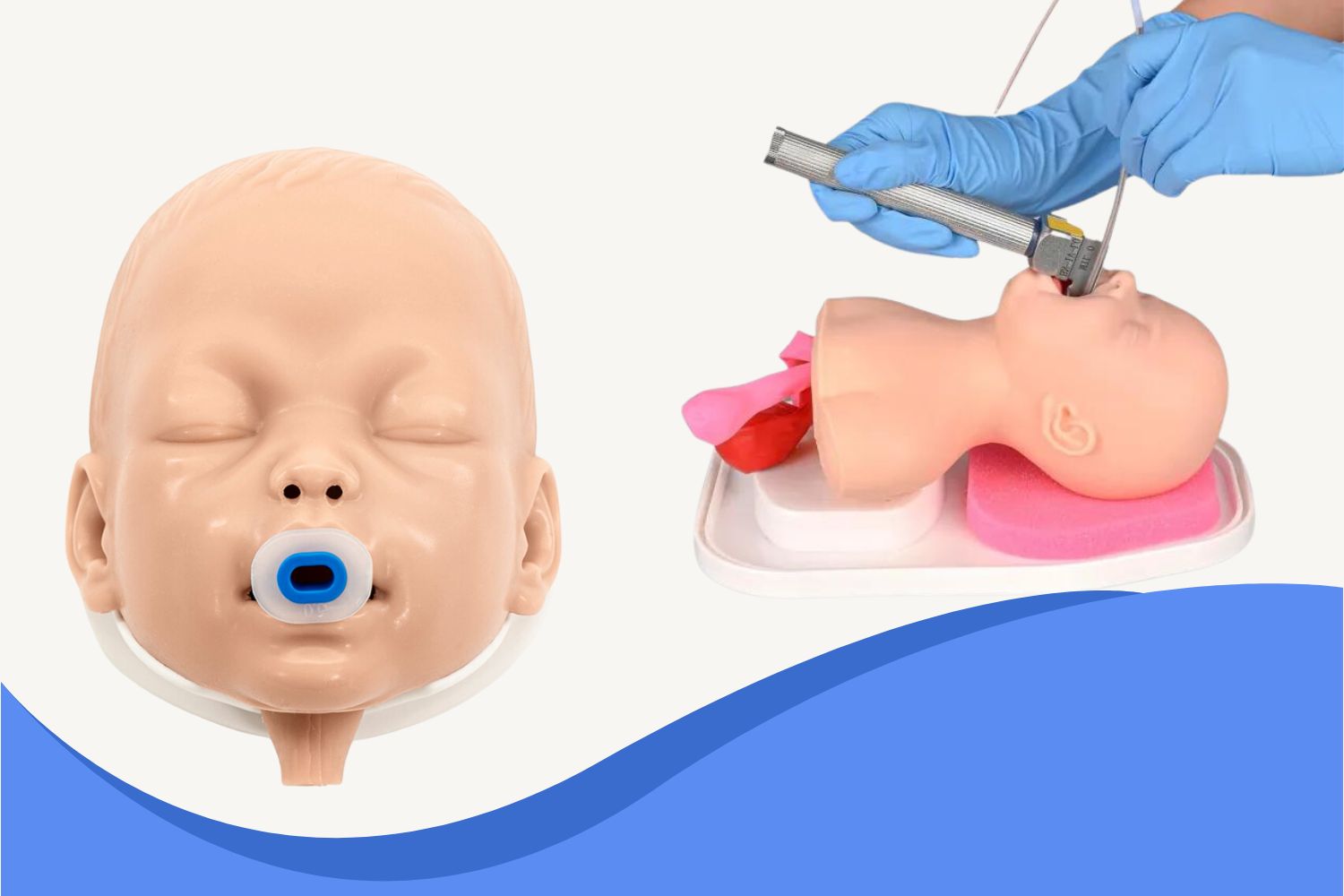
Infant Airway Management Trainer
This lifelike training head allows healthcare professionals and students to practice infant airway opening techniques with realistic resistance and anatomy. It's perfect for BLS, EMT, and pediatric nursing programs focused on:
- Chin lift, jaw thrust, suctioning
- Correct OPA and NPA placement
- Infant airway alignment techniques
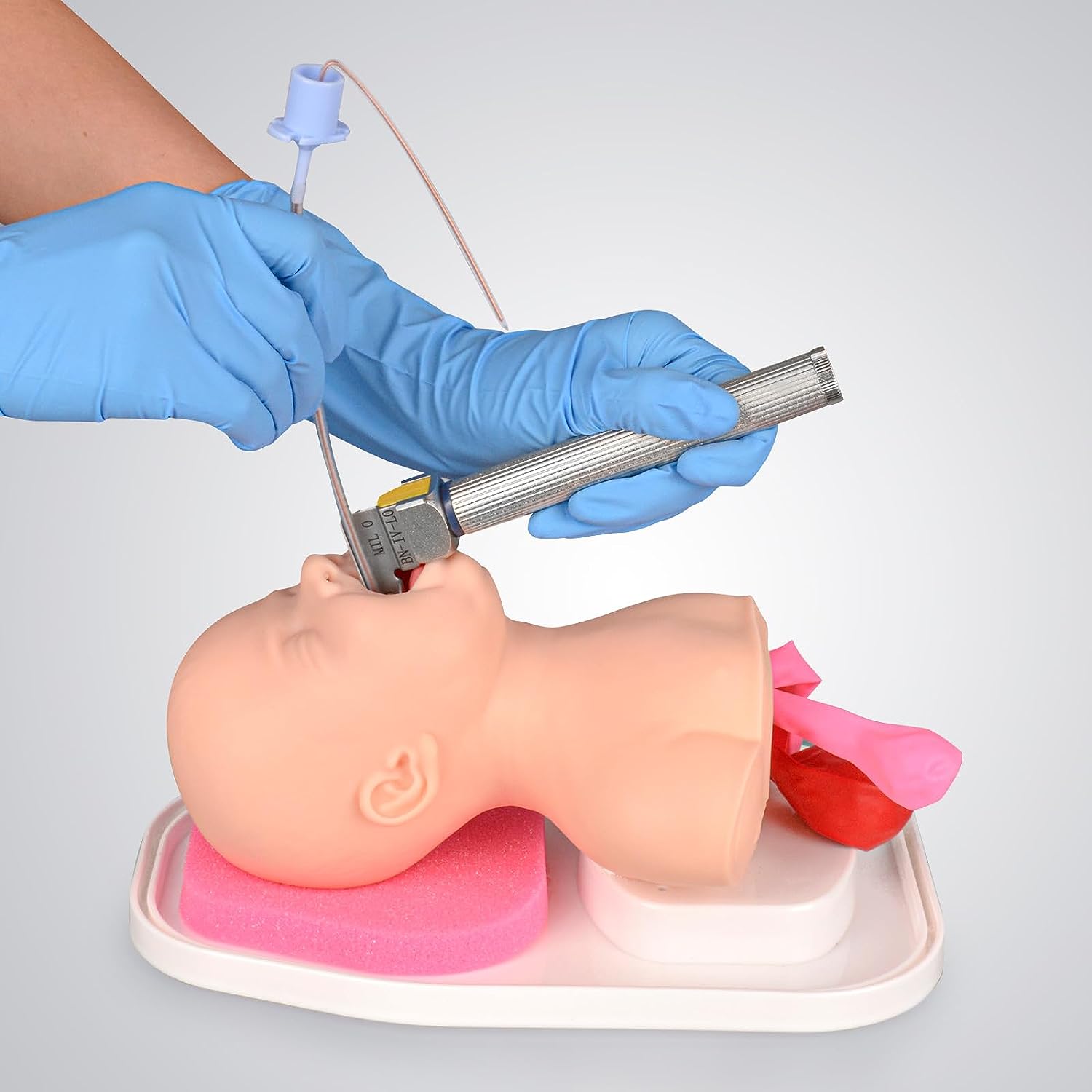
Advanced Infant Airway Management: Tracheal Intubation
In more serious cases, advanced airway techniques are required, most notably tracheal intubation. This procedure ensures secure ventilation when other methods fail.
Core Skills:
- Performing precise endotracheal intubation in neonates and infants
- Positioning the infant properly to visualize the vocal cords
- Using laryngoscopes or video laryngoscopy tools confidently
- Monitoring ventilation and oxygenation post-intubation
Recommended Training Models:
- Pediatric Intubation Trainer with Feedback
Designed for precise training in newborn intubation, this model supports repeated practice in a safe setting.
- Ultrassist Infant Intubation Trainer
This full-featured simulator provides real-time feedback during intubation practice, ideal for training centers and hospital staff development.
These high-fidelity models simulate the challenges of real-life airway management, including limited visibility, fragile anatomy, and technique sensitivity.
Why Simulation Training Makes a Difference
In pediatric airway emergencies, there's no room for guesswork. Simulation-based learning bridges the gap between classroom theory and hands-on action. With Ultrassist airway management trainers, learners can:
- Practice high-stakes procedures repeatedly without risk
- Build confidence in unfamiliar or complex scenarios
- Master the differences between infant, pediatric, and adult airways
Explore all the airway & intubation trainers for training tools that prepare you for every level of care.
From mastering the basics of OPA/NPA to executing flawless tracheal intubation, infant airway management demands both knowledge and repetition. With the right simulation models, medical students, nurses, paramedics, and respiratory therapists can gain critical skills that save lives when seconds matter most.
.jpeg?w=1000&h=1000)
.jpg?w=1500&h=1500)
.jpg?w=1500&h=1500)
.jpg?w=1600&h=1600)
.jpg?w=1600&h=1600)
.jpeg?w=1000&h=1000)
.jpeg?w=1000&h=1000)
.jpeg?w=1000&h=1000)
.jpeg?w=1000&h=1000)
.jpeg?w=1500&h=1500)
.jpeg?w=1600&h=1600)
.jpeg?w=1600&h=1600)
.jpeg?w=1000&h=1000)