Airway management is one of the most critical skills in emergency and clinical medicine. From basic OPA/NPA techniques to advanced intubation and cricothyrotomy, mastering each step ensures better patient outcomes and increased provider confidence.
Whether you're a medical educator or a healthcare trainee, this guide, paired with high-fidelity training tools from Ultrassist, will help you build a solid foundation in airway management.
Fundamentals of Airway Management: A Step-by-Step Guide
The Basics: Upper Airway Management
For beginners, understanding the use of oropharyngeal (OPA) and nasopharyngeal (NPA) airways is essential. These devices help maintain a patent airway in unconscious or semi-conscious patients by preventing soft tissue obstruction.
Steps for OPA/NPA Placement:
- Measure the correct size.
- Open the airway using the head-tilt chin-lift or jaw thrust.
- Insert carefully to avoid trauma.
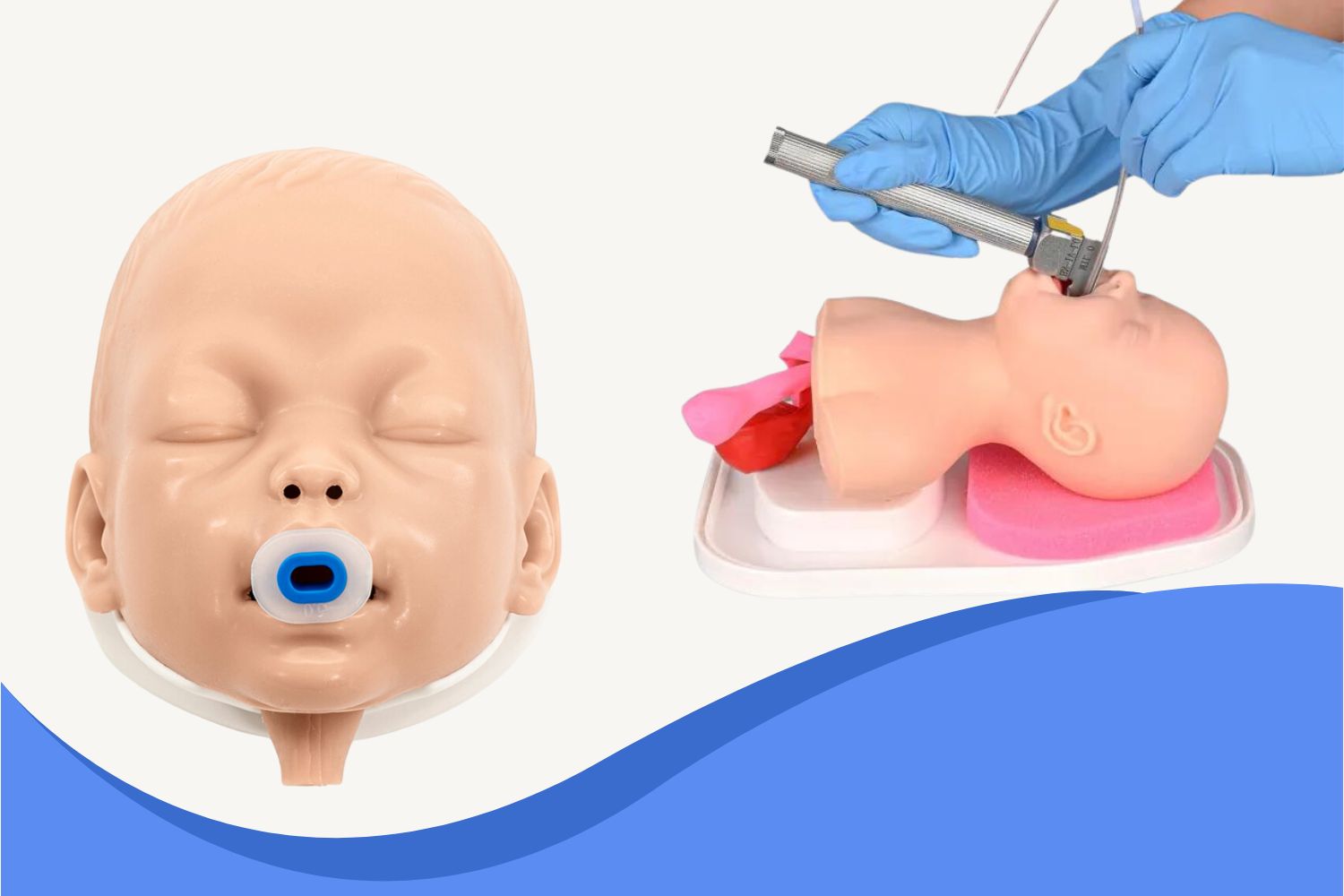
✅ Train with: Ultrassist Infant Airway Management Trainer
Perfect for hands-on practice in pediatric airway basics. Realistic anatomy and tactile feedback help trainees develop safe and accurate skills.
Advanced Techniques: Endotracheal Intubation
When basic airway maneuvers are not sufficient, intubation becomes necessary to secure the airway.
Key Steps:
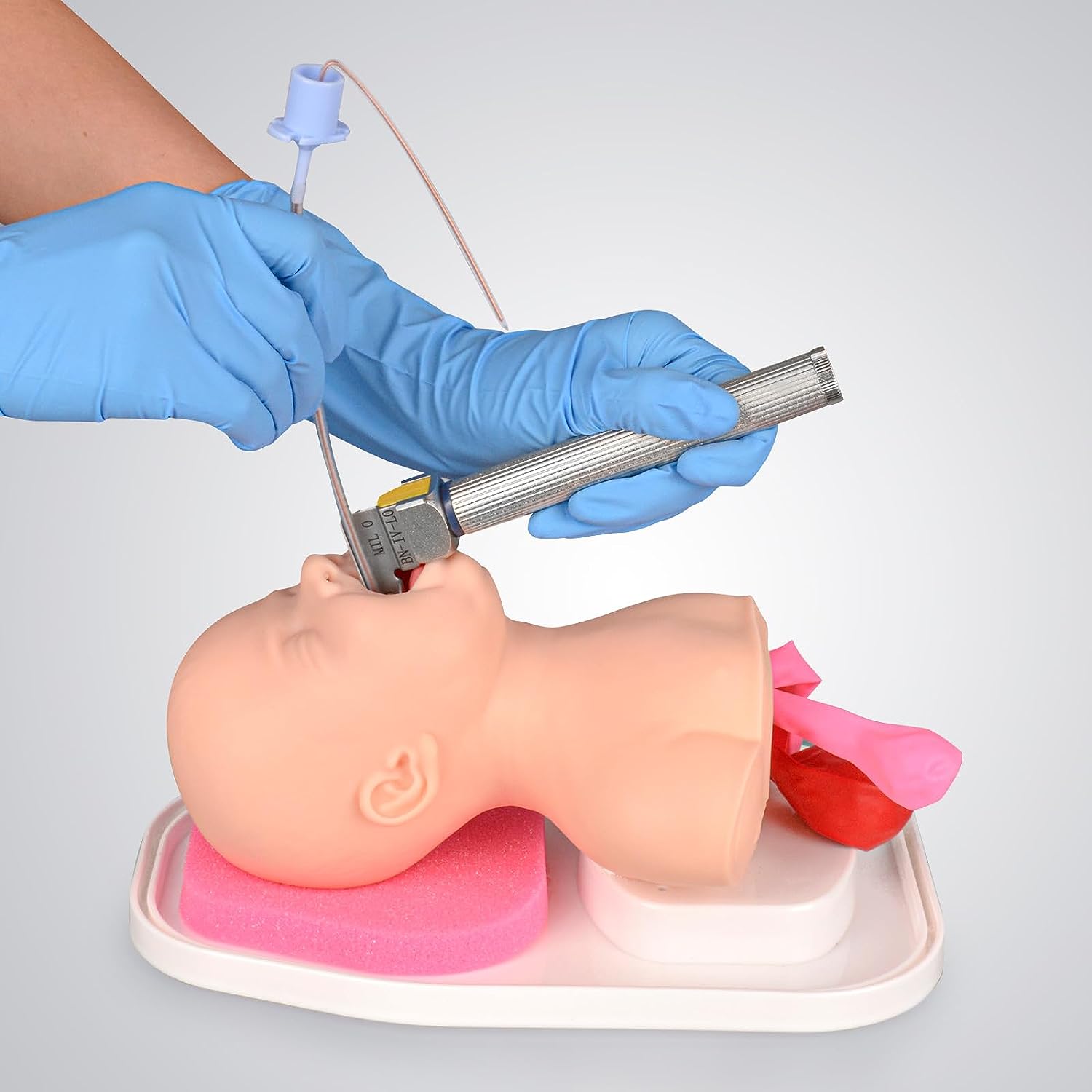
- Use a laryngoscope to visualize vocal cords.
- Insert the endotracheal tube.
- Confirm placement via chest rise and CO₂ monitoring.
✅ Recommended Models:
- Pediatric Intubation Trainer with Feedback - For precise neonatal intubation training.
Application Scenarios: Real-World Simulation
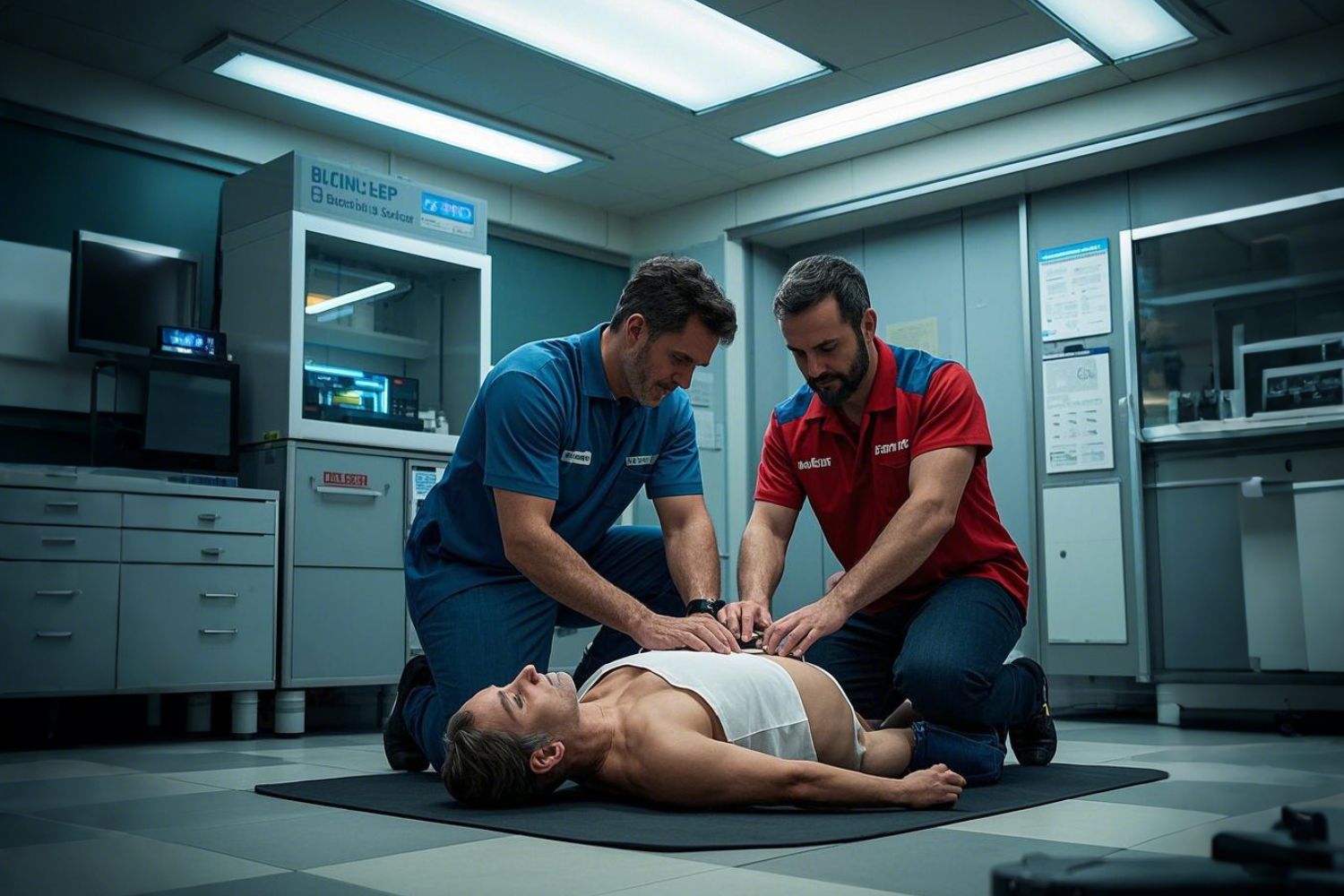
Simulation-based training boosts preparedness for high-stress scenarios like respiratory arrest, trauma, or airway obstruction.
Scenario 1: Pediatric airway obstruction
Training Tool: Pediatric Intubation Trainer
Exercise: OPA placement → Intubation → Oxygen delivery
Scenario 2: Trauma victim with compromised airway
Training Tool:
- Adult Airway Management Manikin - For advanced intubation and ventilation training
The Role of Feedback in Skill Mastery
According to NCBI research, simulation with real-time feedback improves skill retention by up to 30%.
Ultrassist Adult Airway Management Manikin features:
- Visual and tactile feedback
- Realistic airway anatomy
- Replaceable parts for repeated practice
These features promote faster learning and long-term confidence.
High-Risk Skills: Cricothyrotomy Training
In "can't intubate, can't oxygenate" scenarios, cricothyrotomy is a last-resort, life-saving intervention.
Steps:
- Identify the cricothyroid membrane.
- Make a surgical incision.
- Insert the airway and ventilate.
Top Practice Models:
- Wearable Cricothyrotomy Trainer – Great for field or tactical training
- Advanced Cricothyrotomy Task Trainer – Ideal for high-volume use in trauma labs and simulation centers
Common Questions About Airway Training
Q: Which trainer is right for me?
- Beginners: Infant Airway Trainer
- Beginners: Adult Airway Trainer
- Advanced: Neonatal or Pediatric Intubation Trainer
- Advanced: Cricothyrotomy Task Trainer
- Advanced: Adult Airway Manikin
Q: What's the difference between OPA, NPA, and intubation?
- OPA: For unconscious patients
- NPA: For semi-conscious patients
- Intubation: For definitive airway control
Q: How do I maintain my training manikin?
- Clean after each session with mild soap
- Allow to air dry
- Inspect airway passages and replace parts as needed
Train with Purpose, Perform with Confidence
From basic airway opening techniques to life-saving cricothyrotomy, Ultrassist airway management trainers are built to support educators and trainees through every level of skill development.
Explore the full Ultrassist Airway Management Series and prepare for real-world airway emergencies with confidence.
.jpeg?w=1000&h=1000)
.jpg?w=1500&h=1500)
.jpg?w=1500&h=1500)
.jpeg?w=1500&h=1500)
.jpeg?w=1600&h=1600)
.jpeg?w=1600&h=1600)
.jpeg?w=1000&h=1000)
.jpeg?w=1000&h=1000)
.jpeg?w=1000&h=1000)
.jpeg?w=1000&h=1000)
.jpg?w=1600&h=1600)
.jpg?w=1600&h=1600)
.jpeg?w=1000&h=1000)