
.jpeg?w=1000&h=1000&q=80)
.jpeg?w=1000&h=1000&q=80)
.jpeg?w=1000&h=1000&q=80)
.jpeg?w=1000&h=1000&q=80)
.jpg?w=1600&h=1600&q=80)
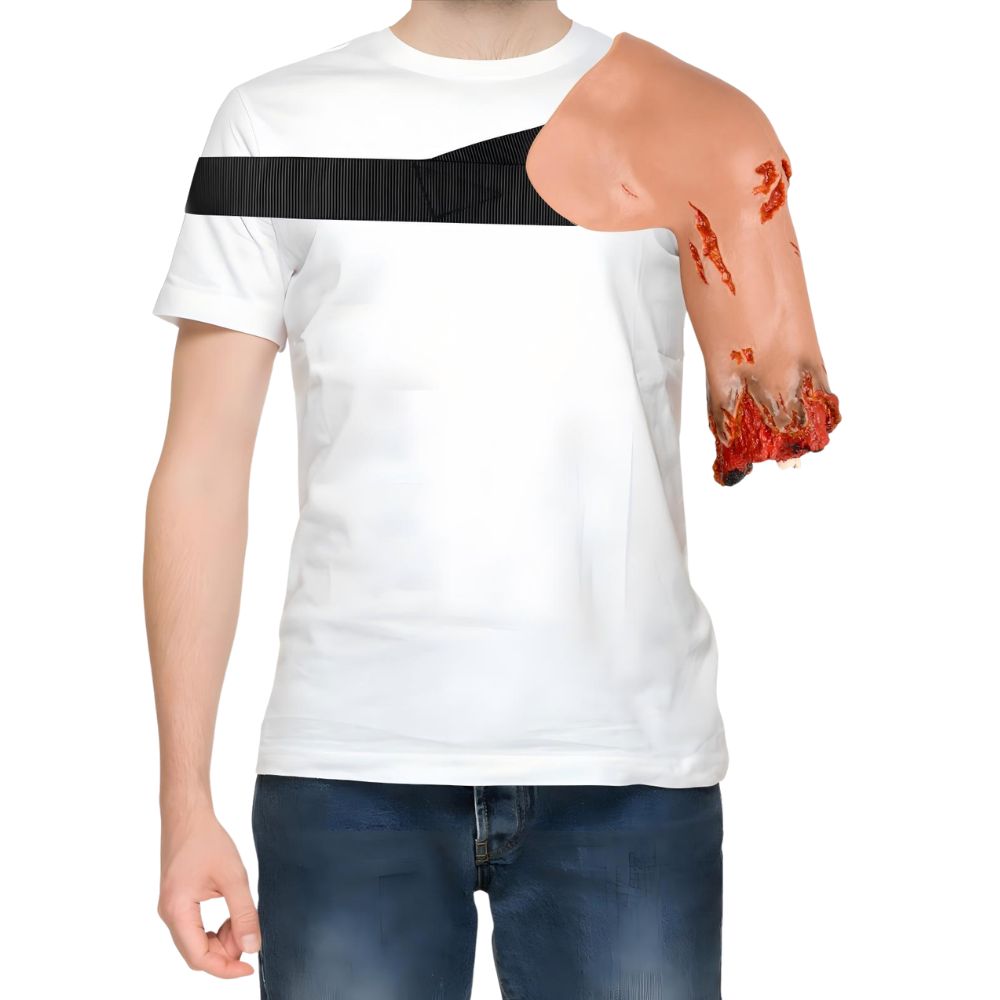
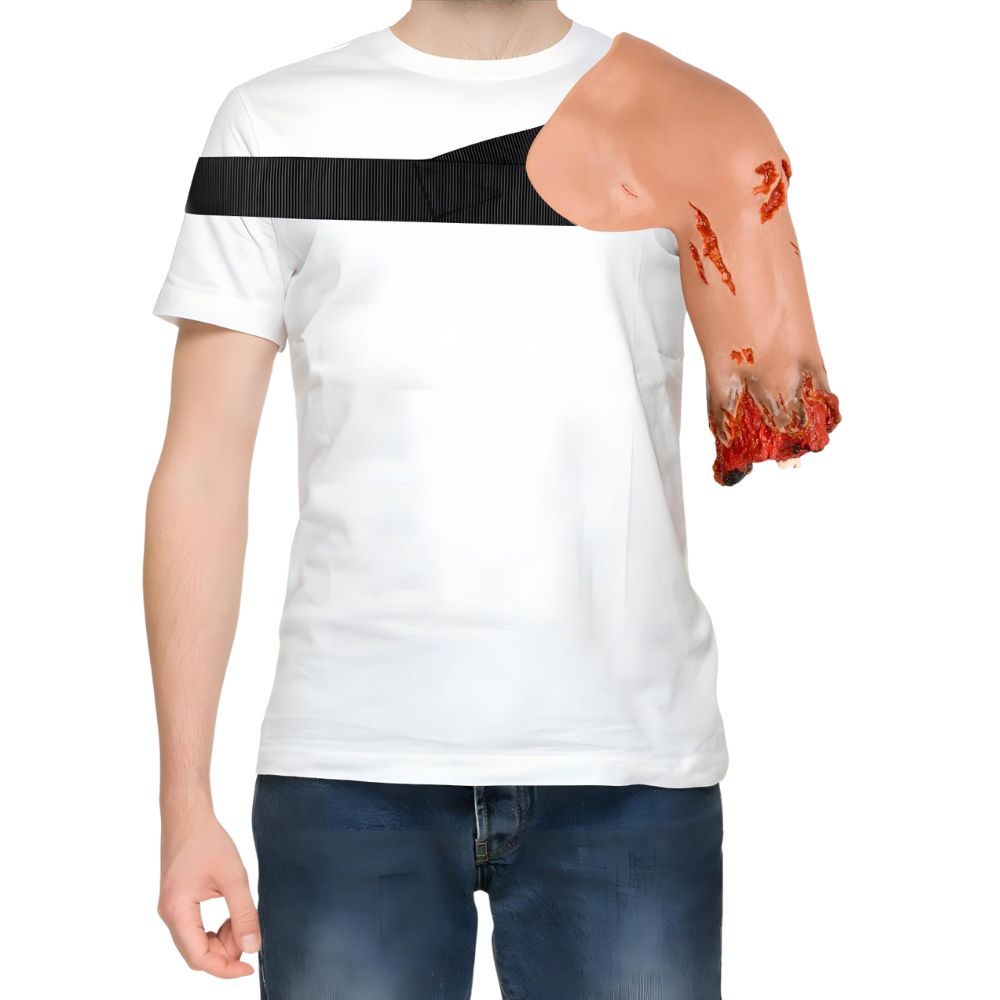
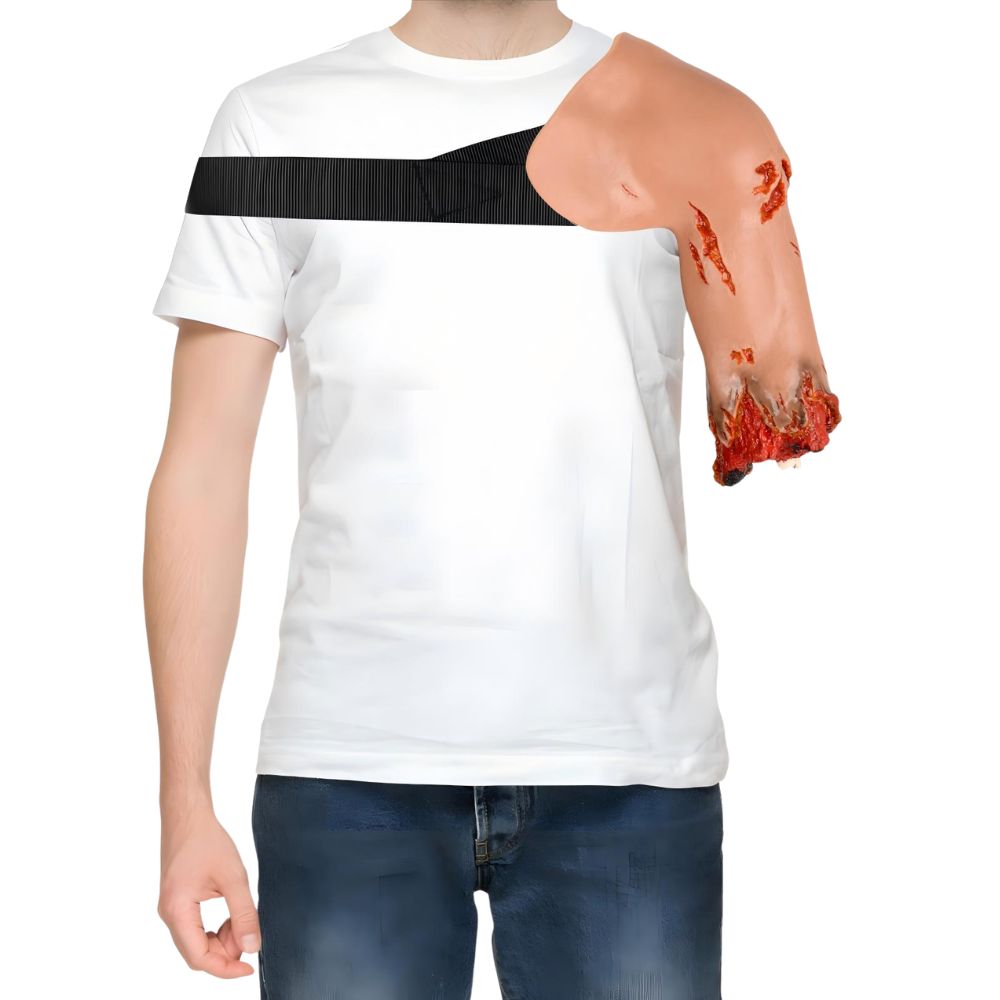
Wearable Arm Amputation Trainer for Tourniquet & Bleed Control
Shipping & Return FAQs
Shipment
1. How much does shipping cost?
Shipping costs depend on the destination and product weight. You can see the final shipping cost at checkout. The cost is calculated automatically in real time.
2. When will my order ship?
In-stock items are usually processed and shipped within 1–3 business days after payment is confirmed. If an item is temporarily out of stock, we'll contact you with an updated timeline.
3. Where do you ship from?
We ship from the nearest available warehouse whenever possible, including our U.S. warehouse. If local stock is unavailable, your order may ship from our main warehouse in China.
4. How long will delivery take?
Estimated delivery times are:
-
U.S. local shipping: 3–5 days
-
Standard international shipping: 8–20 business days
Customs clearance or remote locations may require additional time. Expedited shipping may be available upon request.
5. How can I track my order?
Once your order ships, we'll email you a tracking number. Tracking may take 1–2 days to become active after dispatch.
Track your order: https://www.17track.net/en
Return and Refund
1. What is your return policy?
Returns or refunds are available within 7 days of receiving your order if the product is unused, in its original condition, and has a quality issue.
If you received the correct product and there is no quality issue, we do not accept returns or refunds.
2. What if I receive a damaged or incorrect item?
Please contact us as soon as possible after delivery with your order receipt or order number and photos or videos showing the product or package issue. We'll review the issue and arrange an exchange or appropriate solution.
3. How do I request a return or replacement?
Please contact our customer service team with your order receipt or proof of purchase and photos or videos showing the issue. We'll review your request and guide you through the next steps.
Email us: sales@ultrassist.com
The Ultrassist Wearable Arm Amputation Simulator reproduces a weighted left-arm blast injury with realistic bleeding effects, allowing responders to practice tourniquet application, hemorrhage control, and casualty handling under field conditions.
Features:
- Weighted Left Arm Trauma Design
Simulated arm weight recreates the handling challenges encountered during casualty transport, movement, and field treatment.
- Detailed Blast Injury Appearance
Includes exposed tissue structures, damaged skin surfaces, and realistic wound details to support immersive trauma simulations.
- Wearable Setup for Practical Training
Adjustable attachment straps allow the trainer to be secured for live-action exercises and dynamic trauma instruction.
- Continuous Bleeding Practice System
Integrated bleeding components simulate ongoing blood loss to strengthen rapid intervention skills.
- Reusable Silicone Construction
Durable material withstands repeated use while preserving tactile realism.
- Suitable for Stop the Bleed & Tactical Education
Designed for TECC, Stop the Bleed, PHTLS, and emergency medical response programs.
Wearable Left Arm Amputation Trauma Trainer Kit includes:
- Wearable Amputation Arm Trainer x1
- Absorbent Cloth x2
- Compressed gauze x4
- Water reservoir bag x1
- Transport case
Specifications:
- SKU: UA04032
- Brand: Ultrassist
- Material: Silicone
- Application: Tourniquet & Wound Packing Training
Looking for enhanced realism?
Explore our hyper-realistic right arm amputation trainer featuring advanced wound detail and intensive bleeding simulation for high-acuity tactical training.
Orders processed in 1–3 business days
Worldwide delivery with tracking; rates shown at checkout
Cards, PayPal, Apple Pay, Google Pay & T/T
Special pricing for multiple units
Custom products based on your design, sample, or requirements
Support for product issues and eligible returns & exchanges
Get pricing for bulk or custom orders
Support before and after purchase
_1445x.jpeg?w=1000&h=1000&q=80)
_1445x.jpeg?w=1000&h=1000&q=80)
_1445x.jpeg?w=1000&h=1000&q=80)
_1445x.jpeg?w=1000&h=1000&q=80)
_1445x.jpg?w=1600&h=1600&q=80)
.jpg?w=1500&h=1500)
.jpg?w=1500&h=1500)
.jpeg?w=1000&h=1000)
.jpeg?w=1000&h=1000)
.jpeg?w=1000&h=1000)
.jpeg?w=1000&h=1000)
.jpeg?w=1000&h=1000)
.jpeg?w=1000&h=1000)
.jpeg?w=1000&h=1000)
.jpeg?w=1000&h=1000)
.jpg?w=1000&h=1000)
.jpg?w=1000&h=1000)
.jpg?w=1000&h=1000)
.jpeg?w=1500&h=1500)
.jpeg?w=1500&h=1500)
.jpg?w=1000&h=1000)
.jpg?w=1000&h=1000)
.jpeg?w=1500&h=1500)
.jpg?w=1000&h=1000)
.jpg?w=1246&h=1500)
.jpg?w=1000&h=1000)
.jpeg?w=1000&h=1000)