
.jpeg?w=1500&h=1500&q=80)
.jpg?w=1500&h=1500&q=80)
.jpg?w=1500&h=1500&q=80)
.jpeg?w=1500&h=1500&q=80)
.jpg?w=1500&h=1500&q=80)
.jpg?w=1500&h=1500&q=80)
.jpg?w=1500&h=1500&q=80)
Deep Laceration Wound Packing Arm Trainer with Fracture
Shipping & Return FAQs
Shipment
1. How much does shipping cost?
Shipping costs depend on the destination and product weight. You can see the final shipping cost at checkout. The cost is calculated automatically in real time.
2. When will my order ship?
In-stock items are usually processed and shipped within 1–3 business days after payment is confirmed. If an item is temporarily out of stock, we'll contact you with an updated timeline.
3. Where do you ship from?
We ship from the nearest available warehouse whenever possible, including our U.S. warehouse. If local stock is unavailable, your order may ship from our main warehouse in China.
4. How long will delivery take?
Estimated delivery times are:
-
U.S. local shipping: 3–5 days
-
Standard international shipping: 8–20 business days
Customs clearance or remote locations may require additional time. Expedited shipping may be available upon request.
5. How can I track my order?
Once your order ships, we'll email you a tracking number. Tracking may take 1–2 days to become active after dispatch.
Track your order: https://www.17track.net/en
Return and Refund
1. What is your return policy?
Returns or refunds are available within 7 days of receiving your order if the product is unused, in its original condition, and has a quality issue.
If you received the correct product and there is no quality issue, we do not accept returns or refunds.
2. What if I receive a damaged or incorrect item?
Please contact us as soon as possible after delivery with your order receipt or order number and photos or videos showing the product or package issue. We'll review the issue and arrange an exchange or appropriate solution.
3. How do I request a return or replacement?
Please contact our customer service team with your order receipt or proof of purchase and photos or videos showing the issue. We'll review your request and guide you through the next steps.
Email us: sales@ultrassist.com
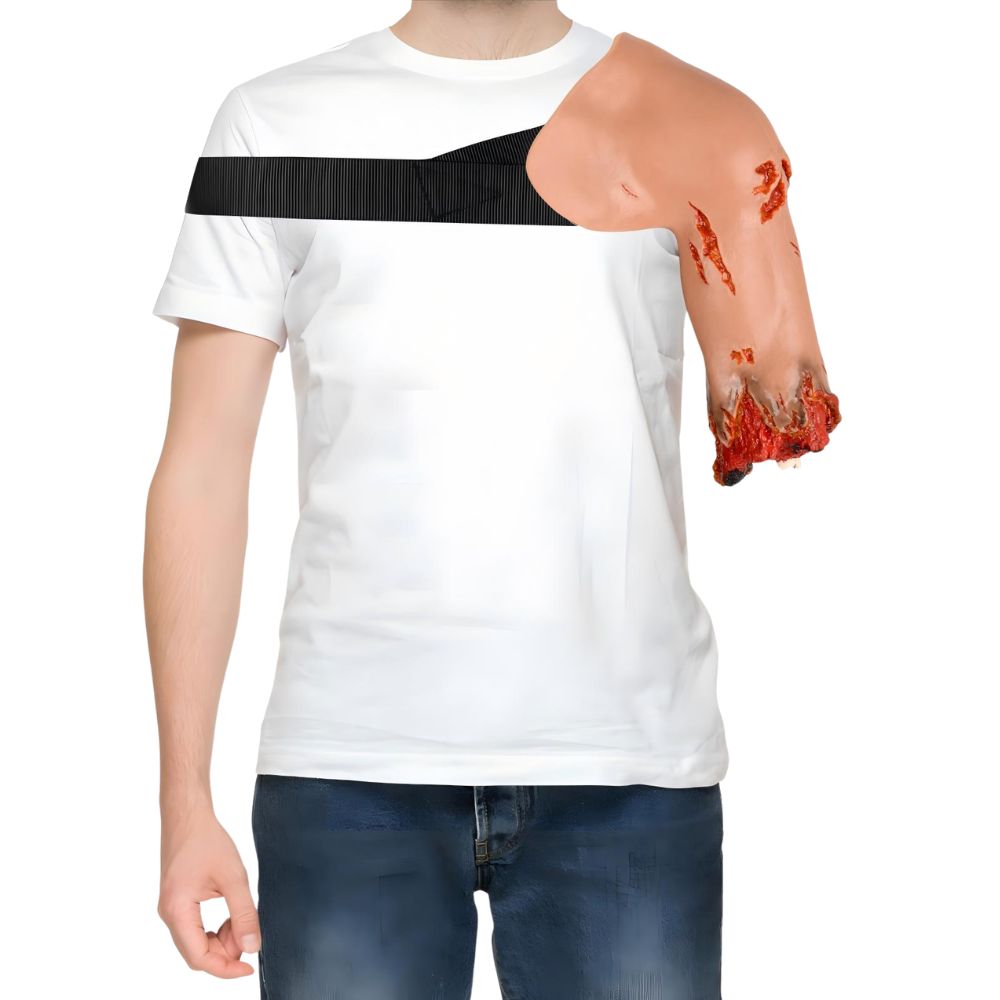
Train realistic trauma scenarios with this high-fidelity Laceration Wound Packing Arm Trainer, designed to simulate a deep laceration with an open fracture. Ideal for emergency medical, military, and first responder training, this model allows repeated hands-on practice of bleeding control, wound packing, dressing, and fracture immobilization.
Features:
-
Deep Laceration & Fracture Simulation:
Accurately replicates a severe laceration and open fracture near the elbow, offering a highly realistic challenge for advanced wound care and trauma training. -
Comprehensive Trauma Skills Practice:
Enables trainees to practice bleeding control (wound packing), dressing application, and fracture immobilization - essential skills for first aid, EMT, and tactical training scenarios. -
Premium Silicone Construction:
High-quality, durable silicone replicates the look and feel of human tissue, ensuring lifelike handling and repeated use without wear. -
Portable & Easy to Maintain:
Compact and lightweight, easy to clean with water and air dry. Comes with a convenient carry bag for storage and transport, ideal for classroom or field training. -
Essential for Professional Training:
Perfect for medical educators, military instructors, and emergency response teams seeking to develop realistic trauma response skills.
What's Included:
- Laceration Wound Arm Model x1
- Water Reservoir Bag x1
- Absorbent Cloth x1
- Compressed Gauzes x3
- Storage Bag x1
Specifications:
- SKU: UA04020
- Brand: Ultrassist
- Material: Silicone
- Size: 53*9*9cm
- Application: Hemostasis, wound packing, and fracture immobilization practice
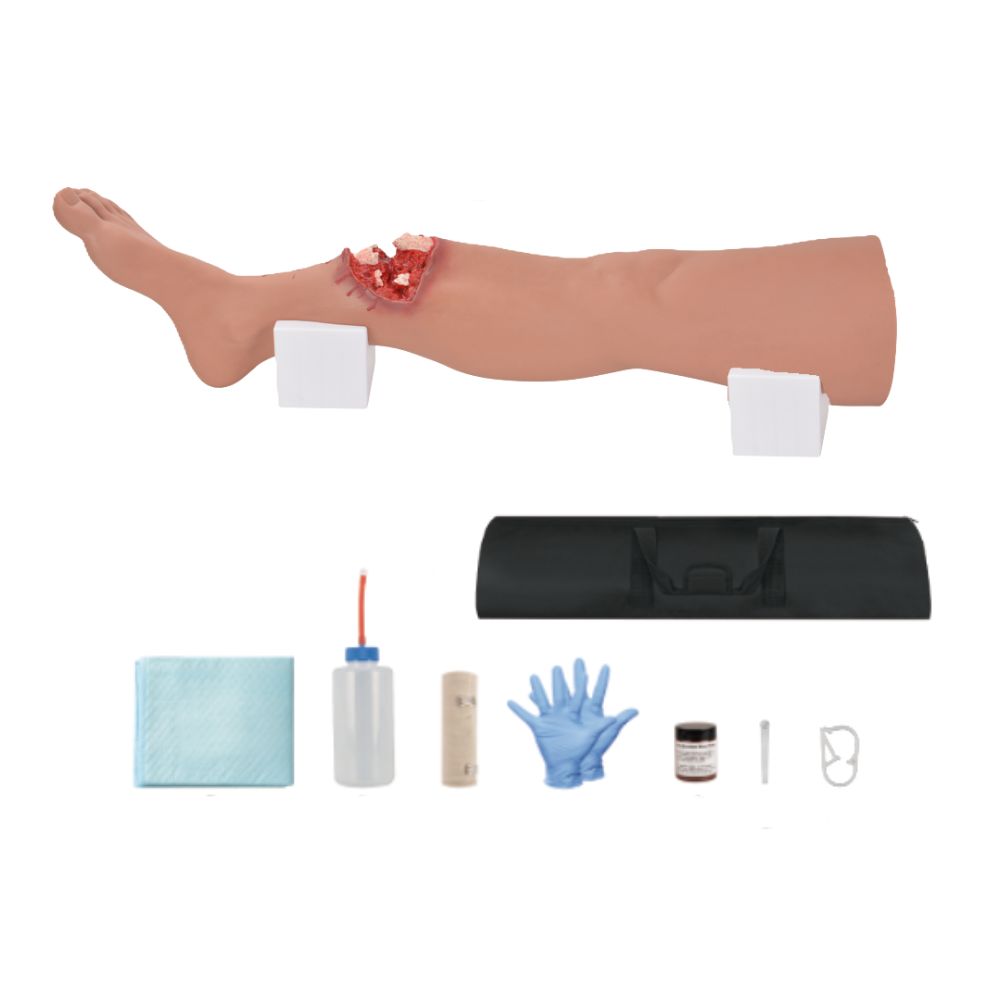
Enhance your trauma training with other professional wound packing trainers from Ultrassist.
Orders processed in 1–3 business days
Worldwide delivery with tracking; rates shown at checkout
Cards, PayPal, Apple Pay, Google Pay & T/T
Special pricing for multiple units
Custom products based on your design, sample, or requirements
Support for product issues and eligible returns & exchanges
Get pricing for bulk or custom orders
Support before and after purchase
_1445x.jpeg?w=1500&h=1500&q=80)
_1445x.jpg?w=1500&h=1500&q=80)
_1445x.jpg?w=1500&h=1500&q=80)
_1445x.jpeg?w=1500&h=1500&q=80)
_1445x.jpg?w=1500&h=1500&q=80)
_1445x.jpg?w=1500&h=1500&q=80)
_1445x.jpg?w=1500&h=1500&q=80)
.jpg?w=1500&h=1500)
.jpg?w=1500&h=1500)
.jpeg?w=1000&h=1000)
.jpeg?w=1000&h=1000)
.jpeg?w=1000&h=1000)
.jpeg?w=1000&h=1000)
.jpeg?w=1000&h=1000)
.jpeg?w=1000&h=1000)
.jpeg?w=1000&h=1000)
.jpeg?w=1000&h=1000)
.jpg?w=1000&h=1000)
.jpg?w=1000&h=1000)
.jpg?w=1000&h=1000)
.jpeg?w=1500&h=1500)
.jpeg?w=1500&h=1500)
.jpg?w=1000&h=1000)
.jpg?w=1000&h=1000)
.jpeg?w=1500&h=1500)
.jpg?w=1000&h=1000)
.jpg?w=1246&h=1500)
.jpg?w=1000&h=1000)
.jpeg?w=1000&h=1000)