
Cervical dilation is a key indicator of labor progression. As labor advances, the cervix gradually opens, allowing the baby to move through the birth canal. But how many centimeters does the cervix need to dilate before birth? What do different dilation measurements mean?
How Many Centimeters Must the Cervix Dilate for Birth?
A person is ready to give birth when the cervix reaches 10 cm dilation. At this stage, the cervix is fully open, and the baby can pass through the birth canal.
Cervical Dilation Stages:
|
Dilation Stage |
Centimeters |
Labor Phase |
|---|---|---|
|
Closed |
0 cm |
Not in labor yet |
|
Early labor |
1–3 cm |
Contractions begin, mild and irregular |
|
Active labor |
4–7 cm |
Contractions intensify, dilation speeds up |
|
Transition |
8–10 cm |
Most intense phase, shortest stage |
|
Full dilation |
10 cm |
Ready for delivery |
At 10 cm dilation, the pushing phase begins, and delivery follows.
How Long Does It Take to Give Birth After 8 cm Dilation?
When the cervix reaches 8 cm dilation, the person is in the transition phase, the most intense part of labor. This stage is typically the shortest, lasting anywhere from a few minutes to a few hours.
Factors that influence how long this stage lasts include:
✔ Whether it is a first-time birth or a subsequent birth
✔ The strength and frequency of contractions
✔ The baby’s position
✔ Whether an epidural is used
Once dilation reaches 10 cm, the pushing stage begins, leading to birth.
How Is Cervical Dilation Measured?
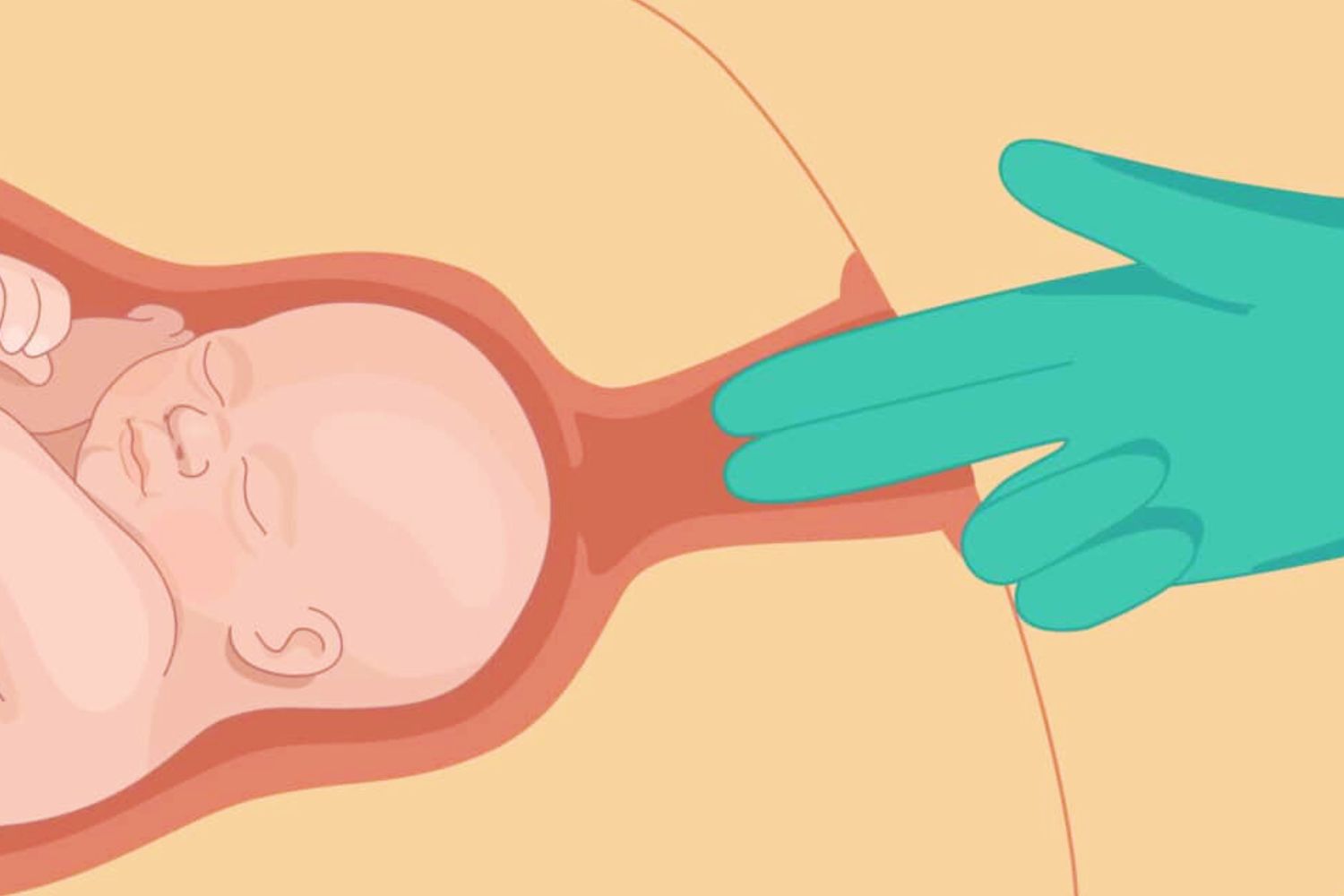
Healthcare providers assess cervical dilation through a manual vaginal exam, using fingers to estimate the cervix’s opening in centimeters.
Finger Guide for Cervical Dilation:
- 1 cm dilated = 1 fingertip
- 2 cm dilated = 1-2 fingers barely fitting
- 3 cm dilated = 2 fingers fitting snugly
- 4 cm dilated = 2 fingers slightly apart
- 5-6 cm dilated = Fingers can spread wider
- 10 cm dilated = Cervix fully open, baby ready for delivery
This method is commonly used in hospitals and birthing centers to track labor progression.
Why Cervical Dilation Charts Are Not Always Enough in Training
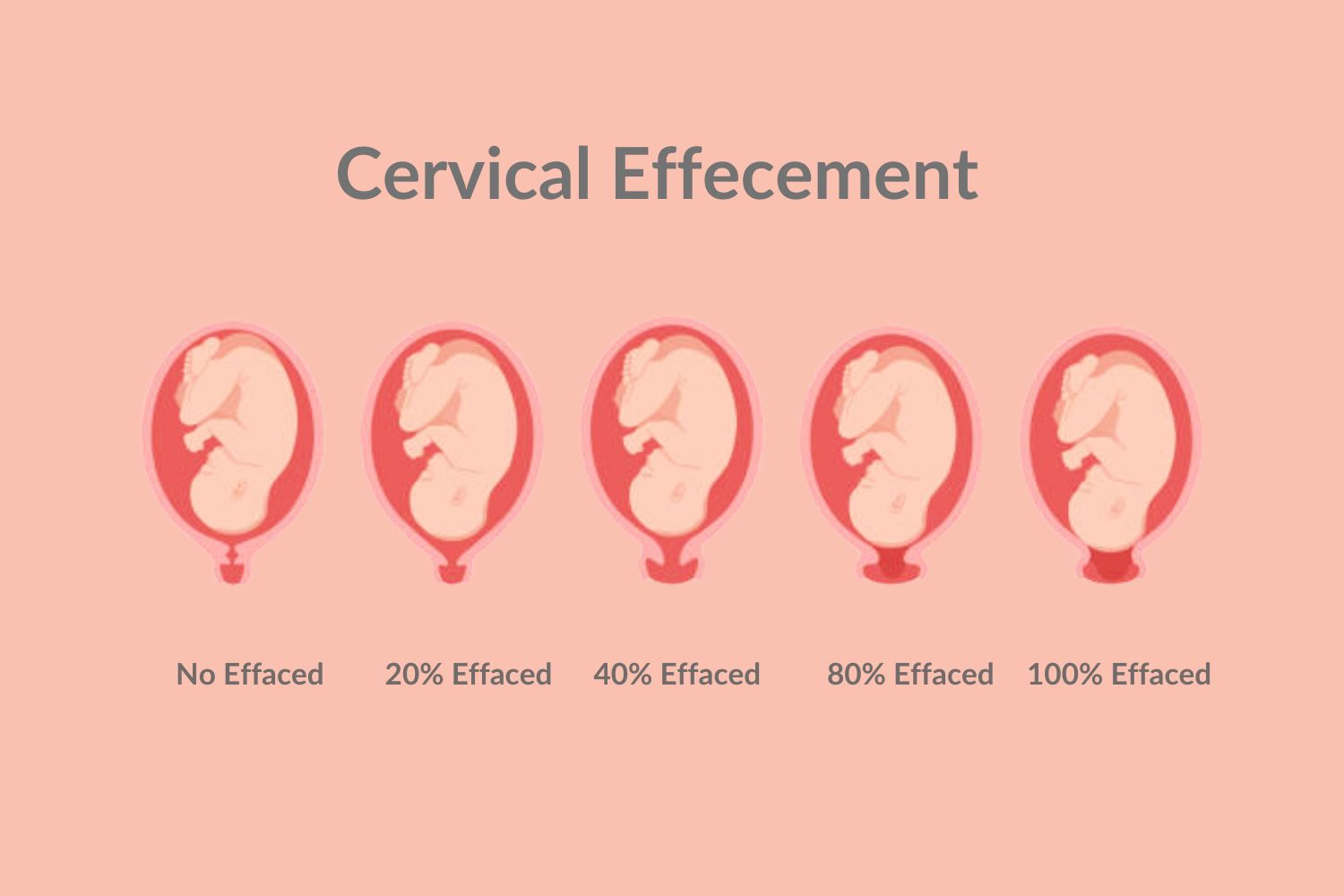
While cervical dilation charts are useful for basic understanding, many learners, especially nursing students, midwives, and childbirth educators, find that static charts can be difficult to translate into real-world labor assessment.
Key limitations include:
- Hard to visualize 3D cervical changes
- Effacement is difficult to understand from flat images
- Stage progression is not physically intuitive
- Hands-on assessment skills cannot be developed
In clinical education, visual + tactile learning tools are often used to bridge this gap and improve understanding of labor progression.
Better Way to Learn Cervical Dilation in Practice
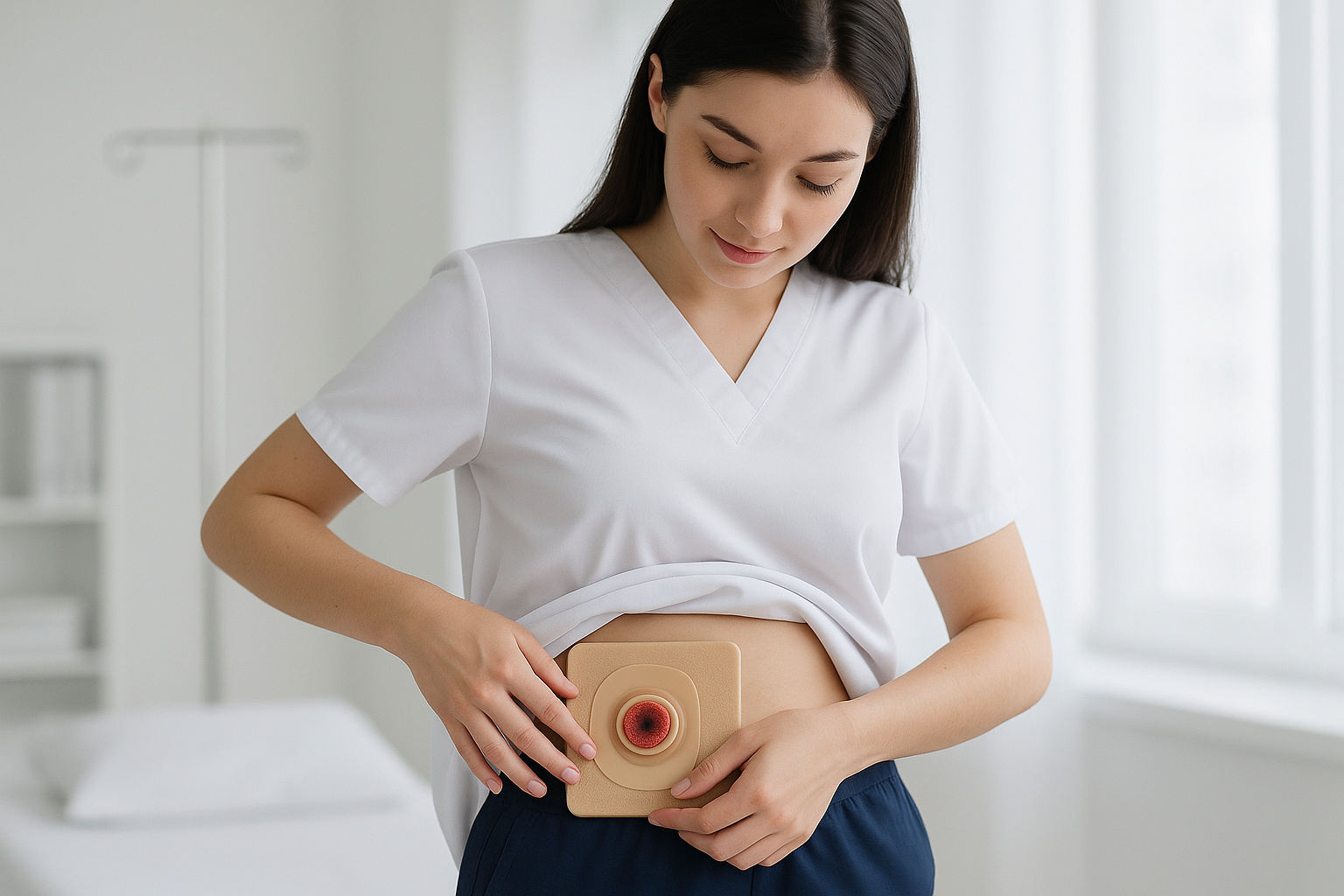
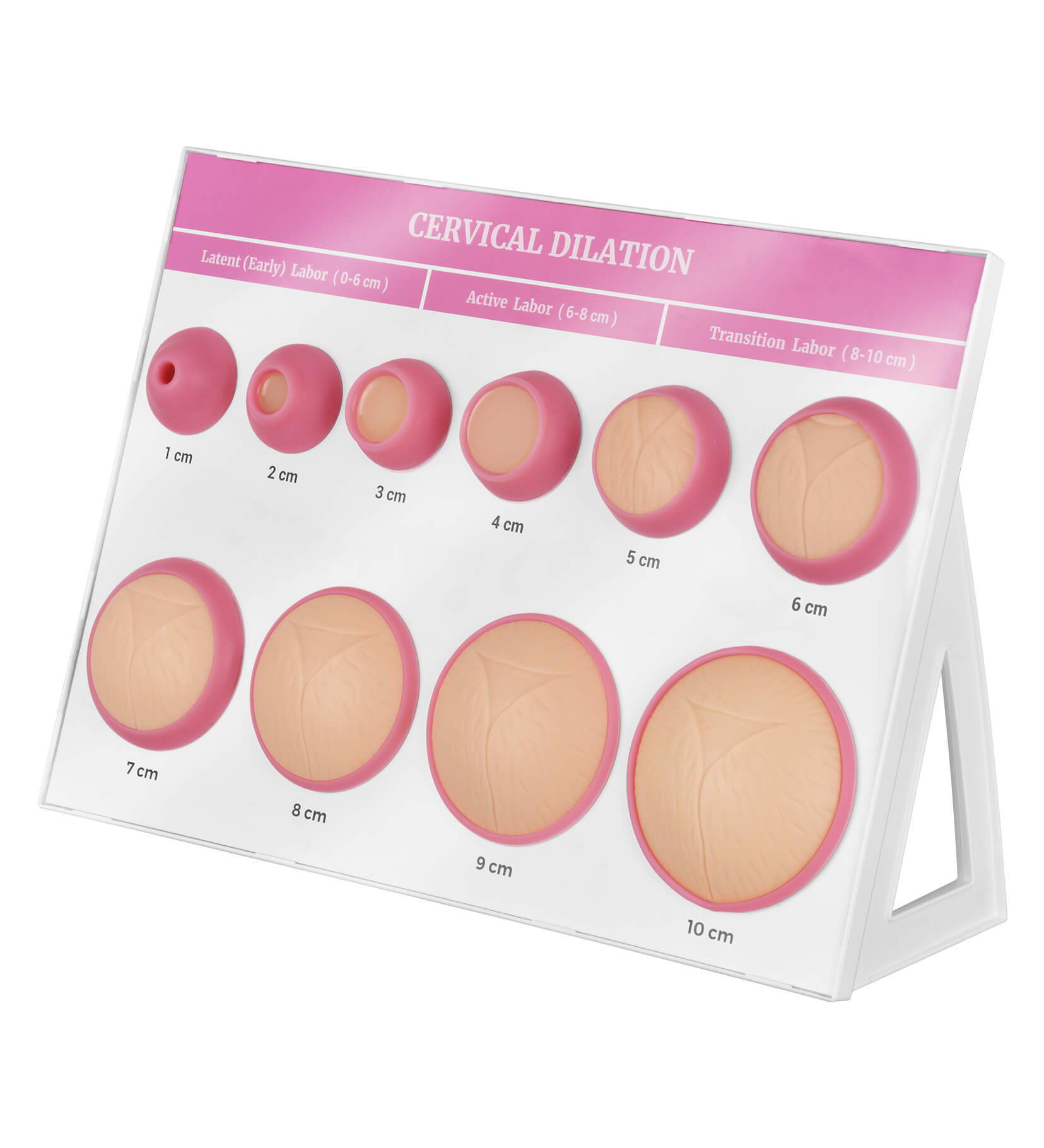
To improve comprehension of cervical dilation and effacement stages, many educators use hands-on teaching tools that visually demonstrate 1–10 cm progression in a more intuitive way than charts alone.
These tools are commonly used in:
- Midwifery training programs
- Nursing education
- Childbirth preparation classes
- OB/GYN simulation training
👉 Explore Cervical Dilation Teaching Tools
The Best Training Model for Cervical Dilation Assessment
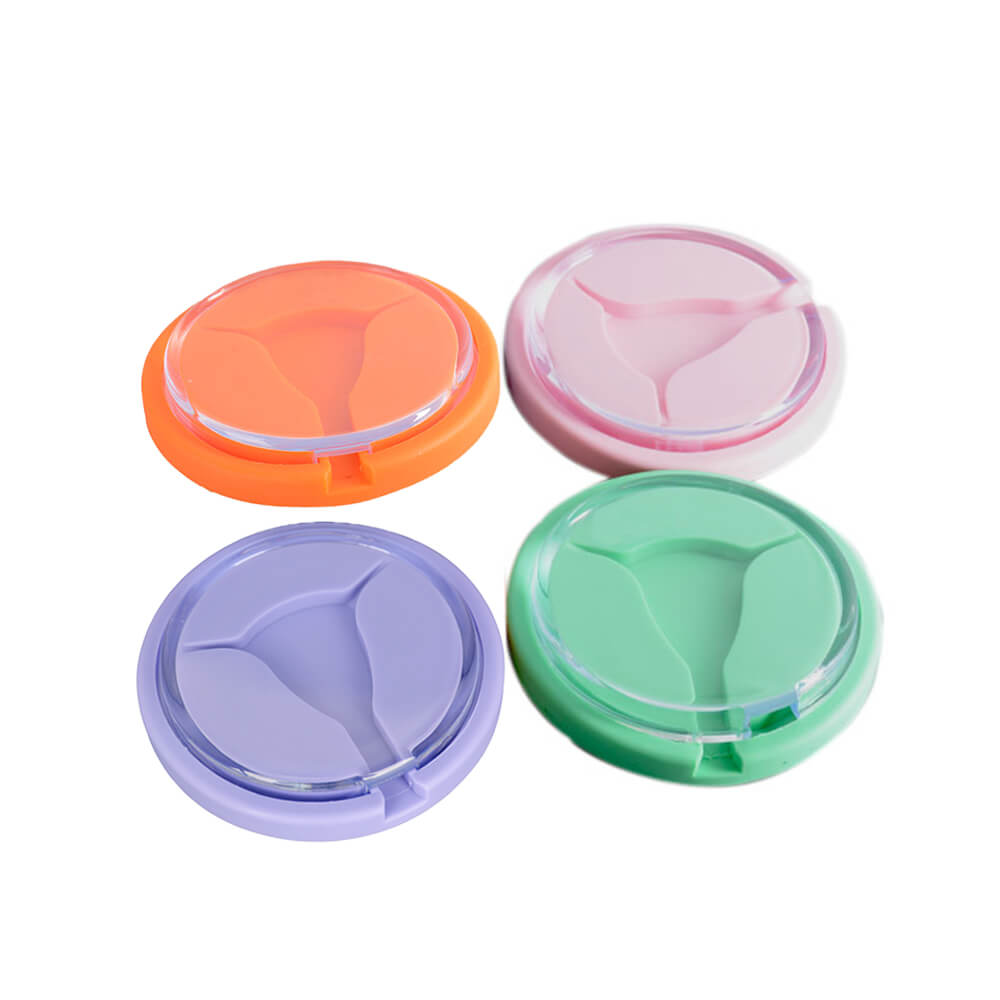
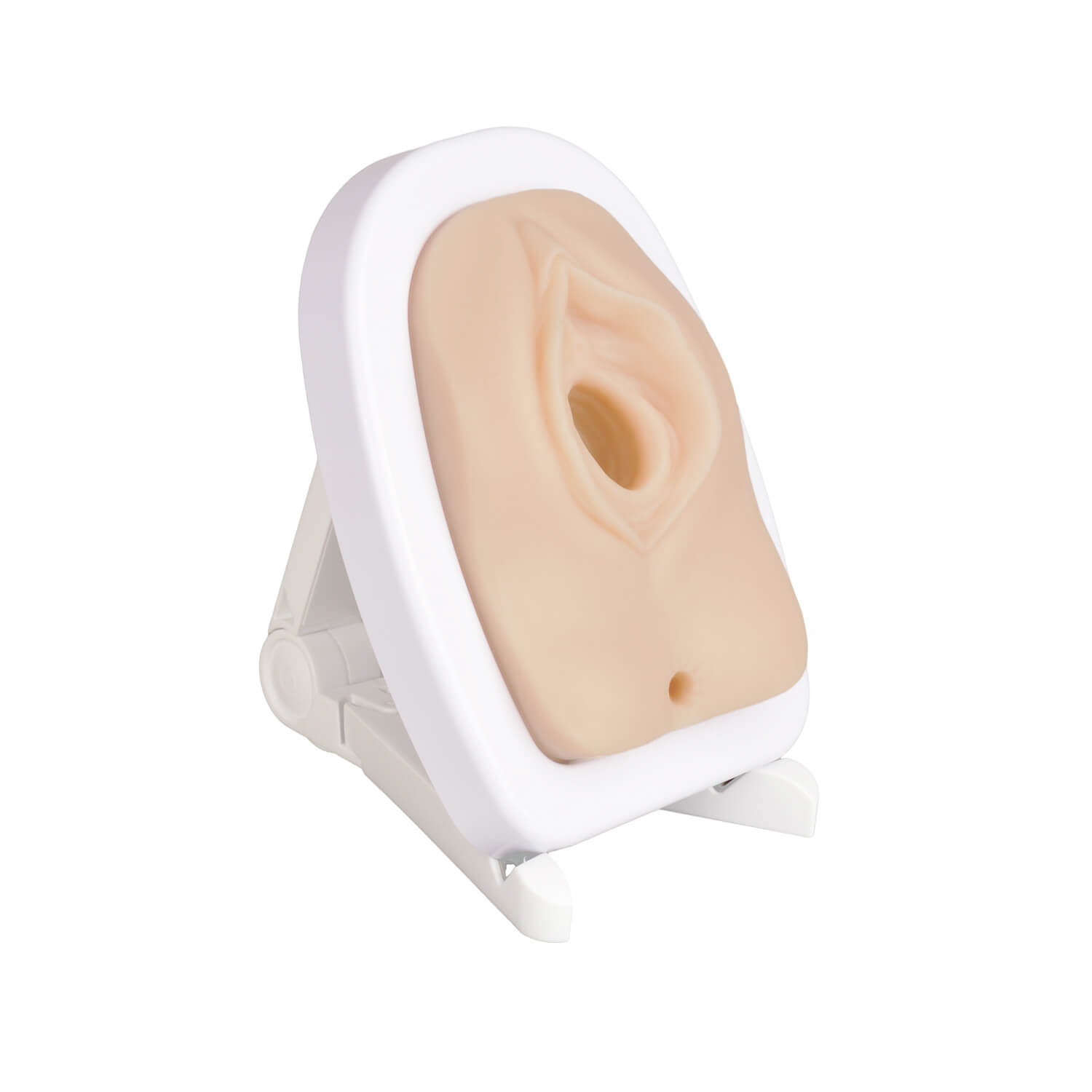
Understanding cervical dilation through hands-on practice is essential for medical students, midwives, and obstetricians. A realistic cervical dilation model helps learners visualize and accurately assess labor progression.
📌 Recommended Model:
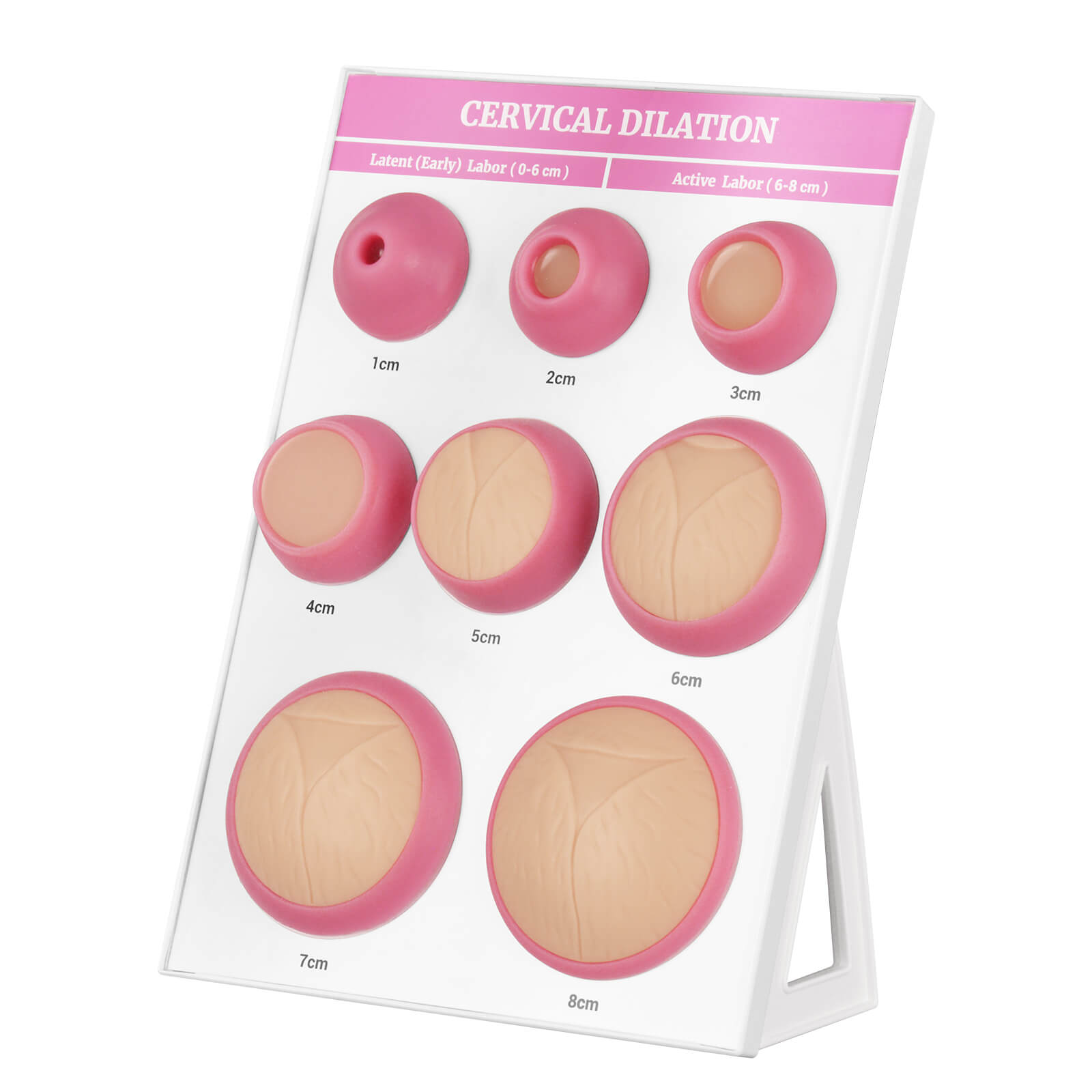
- Cervical Dilation Model Set (1–8 cm)
- Cervical Dilation Model Set with Effacement Stages (1–10 cm)
🔹 Key Features:
✔ Includes multiple cervical models representing dilation stages
✔ Made of lifelike material for realistic practice
✔ Mounted on base or easel display for comparison
✔ Ideal for midwifery, OB/GYN training, and childbirth education
Using a high-quality training model helps learners transition from theoretical understanding to practical assessment of cervical dilation during labor.
.jpeg?w=1500&h=1000)
.jpg?w=1000&h=1000)
.jpg?w=1000&h=1000)
.jpg?w=1500&h=1500)
.jpeg?w=1000&h=1000)
.jpg?w=1600&h=1600)
.jpg?w=1600&h=1600)
.jpg?w=1600&h=1600)
.jpg?w=1600&h=1600)
.jpg?w=1500&h=1500)
.jpg?w=1500&h=1500)
.jpeg?w=1000&h=1000)
.jpeg?w=1000&h=1000)
.jpg?w=1000&h=1000)
.jpg?w=1500&h=1500)
.jpeg?w=1000&h=1000)
.jpg?w=1000&h=1000)
.jpg?w=1000&h=1000)
.jpg?w=1000&h=1000)
.jpg?w=1000&h=1000)
.jpeg?w=1000&h=1000)
.jpeg?w=1000&h=1000)
.jpg?w=1000&h=1000)
.jpeg?w=1000&h=1000)
.jpeg?w=1000&h=1000)
.jpg?w=1000&h=1000)
.jpg?w=1000&h=1000)
.jpeg?w=1000&h=1000)
.jpeg?w=1000&h=1000)
.jpg?w=1000&h=1000)
.jpg?w=1500&h=1500)
.jpg?w=1500&h=1500)
.jpg?w=1000&h=1000)
.jpeg?w=1600&h=1600)
.jpeg?w=1600&h=1600)
.jpeg?w=1500&h=1500)
.jpeg?w=1500&h=1500)
.jpeg?w=1500&h=1500)
.jpeg?w=1500&h=1500)
.jpeg?w=1500&h=1500)
.jpeg?w=1500&h=1500)
.jpeg?w=1500&h=1500)
.jpeg?w=1500&h=1500)
.jpg?w=1000&h=1000)
.jpg?w=1000&h=1000)
.jpg?w=1000&h=1000)
.jpg?w=1000&h=1000)
.jpg?w=1600&h=1600)
.jpg?w=1600&h=1600)
.jpeg?w=1000&h=1000)
.jpg?w=1500&h=1500)
.jpg?w=1500&h=1500)
.jpg?w=1500&h=1500)
.jpg?w=1500&h=1500)
.jpeg?w=1000&h=1000)
.jpeg?w=1500&h=1500)
.jpg?w=1500&h=1500)
.jpg?w=1500&h=1500)
.jpeg?w=1000&h=1000)
.jpg?w=1000&h=1000)
.jpg?w=1000&h=1000)
.jpeg?w=1000&h=1000)
.jpg?w=1000&h=1000)
.jpeg?w=1000&h=1000)
.jpeg?w=1000&h=1000)
.jpeg?w=1000&h=1000)
.jpeg?w=1000&h=1000)
.jpeg?w=1000&h=1000)
.jpeg?w=1000&h=1000)
.jpg?w=1000&h=1000)
.jpg?w=1000&h=1000)
.jpeg?w=1000&h=1000)
.jpeg?w=1000&h=1000)
.jpeg?w=1500&h=1500)
.jpeg?w=1500&h=1500)
.jpeg?w=1600&h=1600)
.jpeg?w=1600&h=1600)
.jpeg?w=1500&h=1500)
.jpeg?w=1500&h=1500)
.jpeg?w=1500&h=1500)
.jpeg?w=1500&h=1500)
.jpeg?w=1500&h=1500)
.jpeg?w=1500&h=1500)
.jpeg?w=1500&h=1500)
.jpeg?w=1500&h=1500)