
Cervical dilation and effacement are essential processes in labor that indicate how close a person is to giving birth. While they are often mentioned together, they refer to different aspects of cervical changes. Understanding these differences is crucial for expectant parents, medical students, midwives, and healthcare professionals involved in obstetrics.
In this guide, we'll explore:
- What cervical dilation and effacement mean
- The differences between the two
- How they are measured
- Why they matter for labor progression
- The best tools for learning and visualizing these changes
What Is Cervical Dilation?
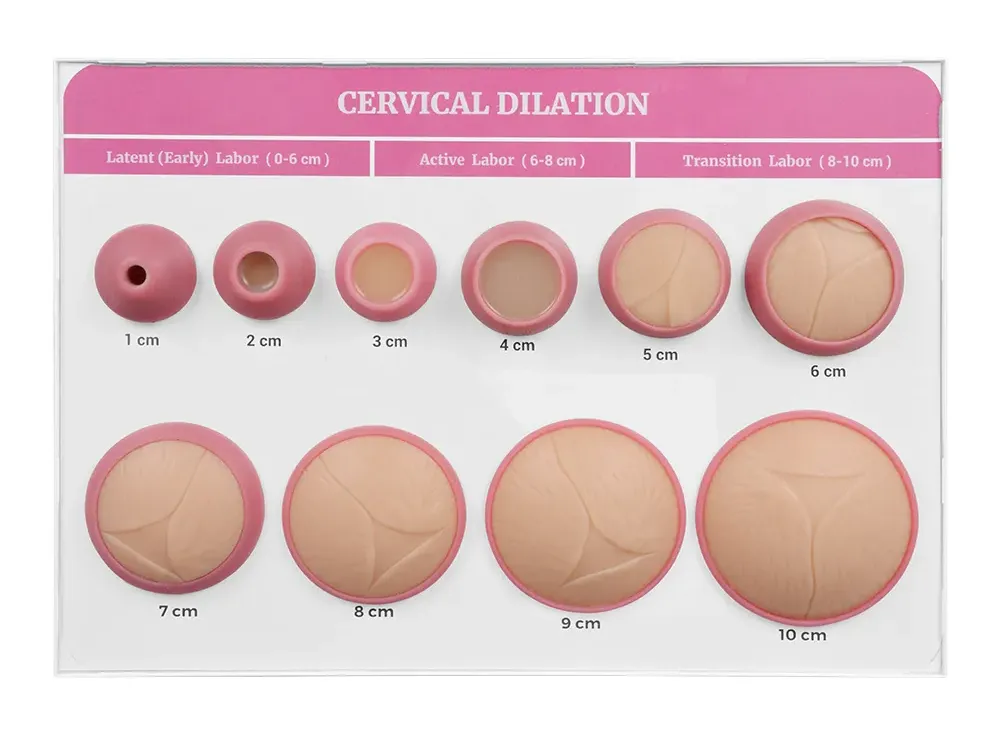
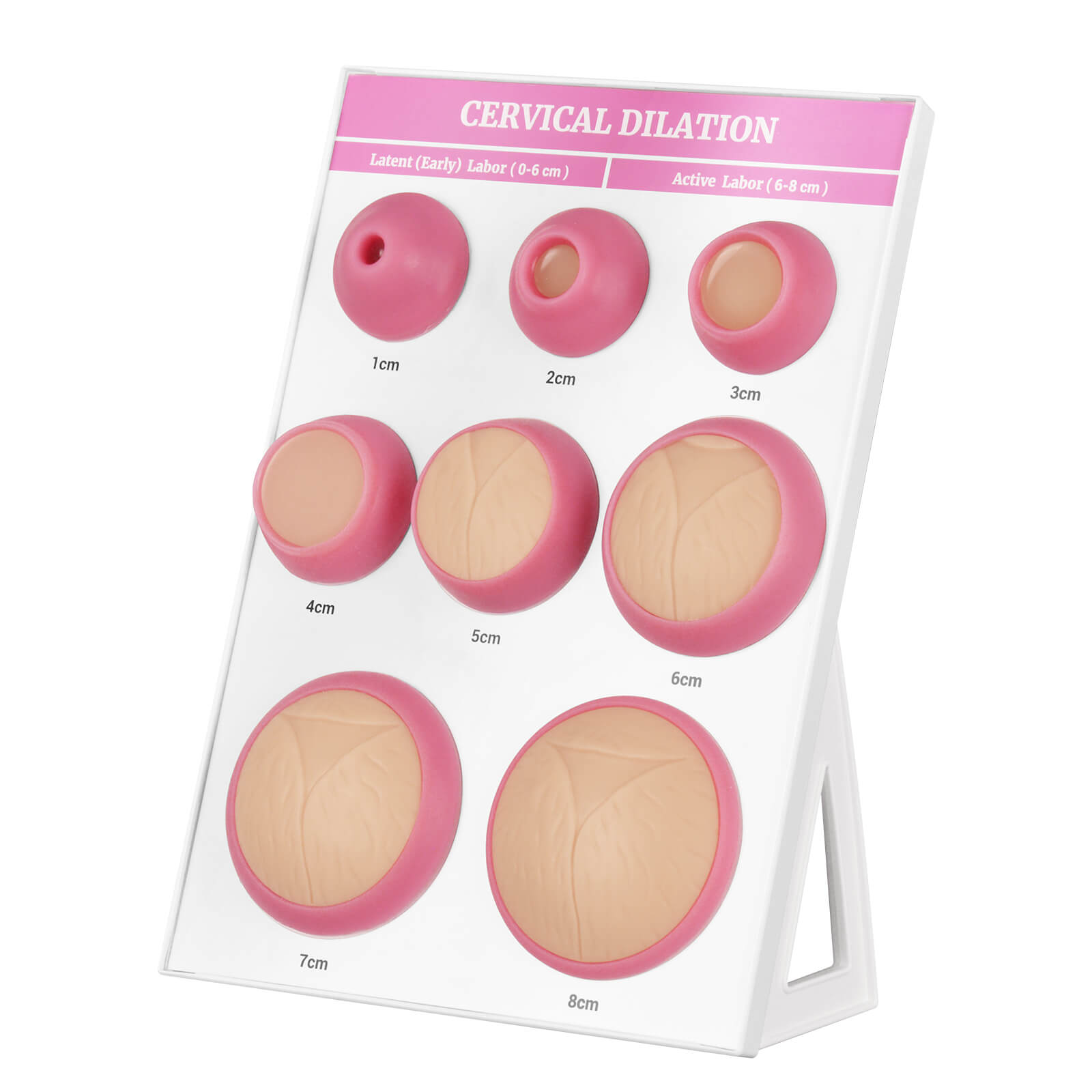
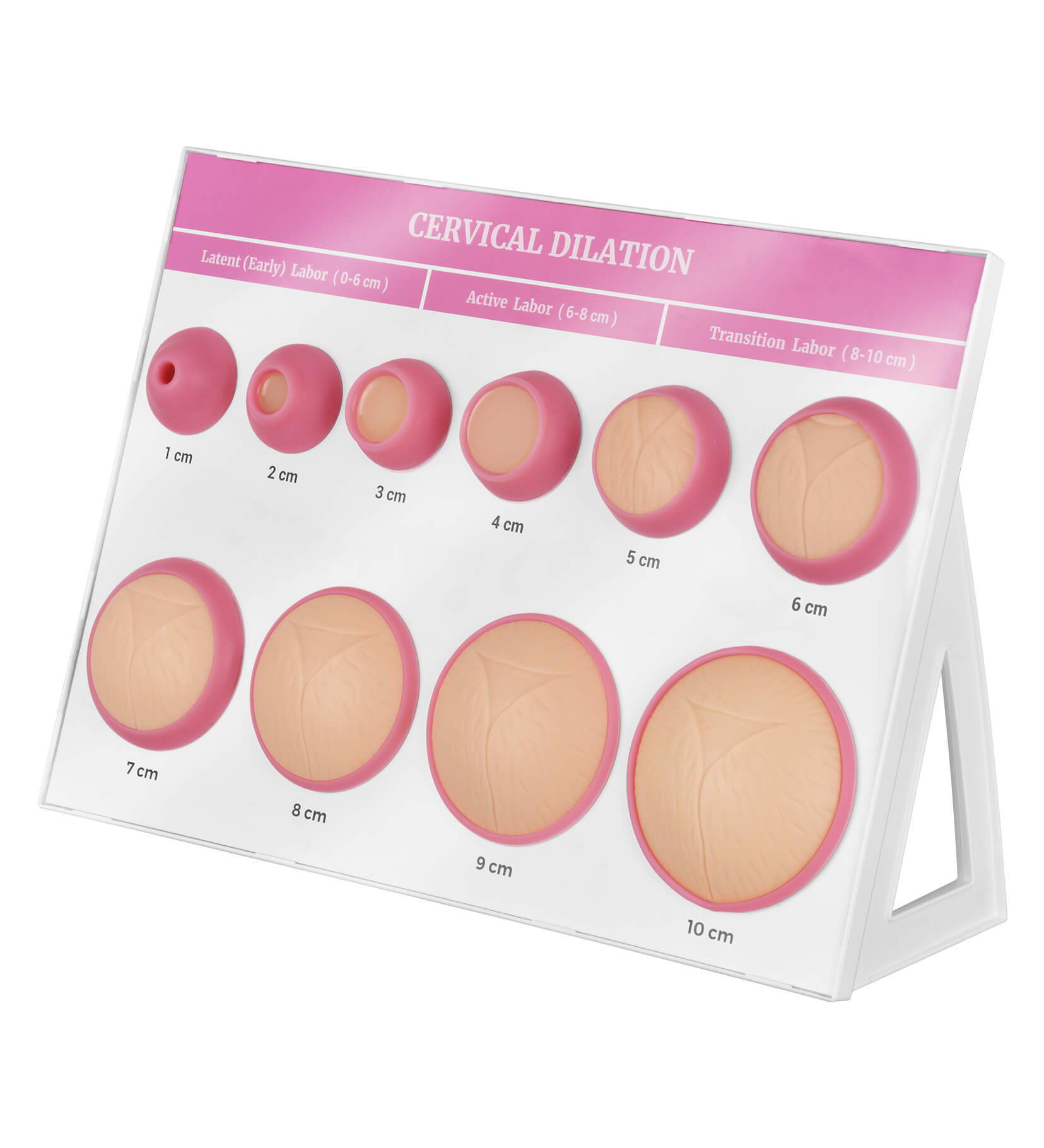
Cervical dilation refers to the opening of the cervix in preparation for birth. Measured in centimeters, dilation progresses from 0 cm (completely closed) to 10 cm (fully dilated), at which point the baby can pass through the birth canal.
The stages of cervical dilation include:
- Early labor (0-3 cm): The cervix begins to open, and mild contractions occur.
- Active labor (4-7 cm): Contractions become stronger, and dilation accelerates.
- Transition phase (8-10 cm): The cervix reaches full dilation, and pushing begins.
.jpeg?w=1500&h=1000)
What Is Cervical Effacement?
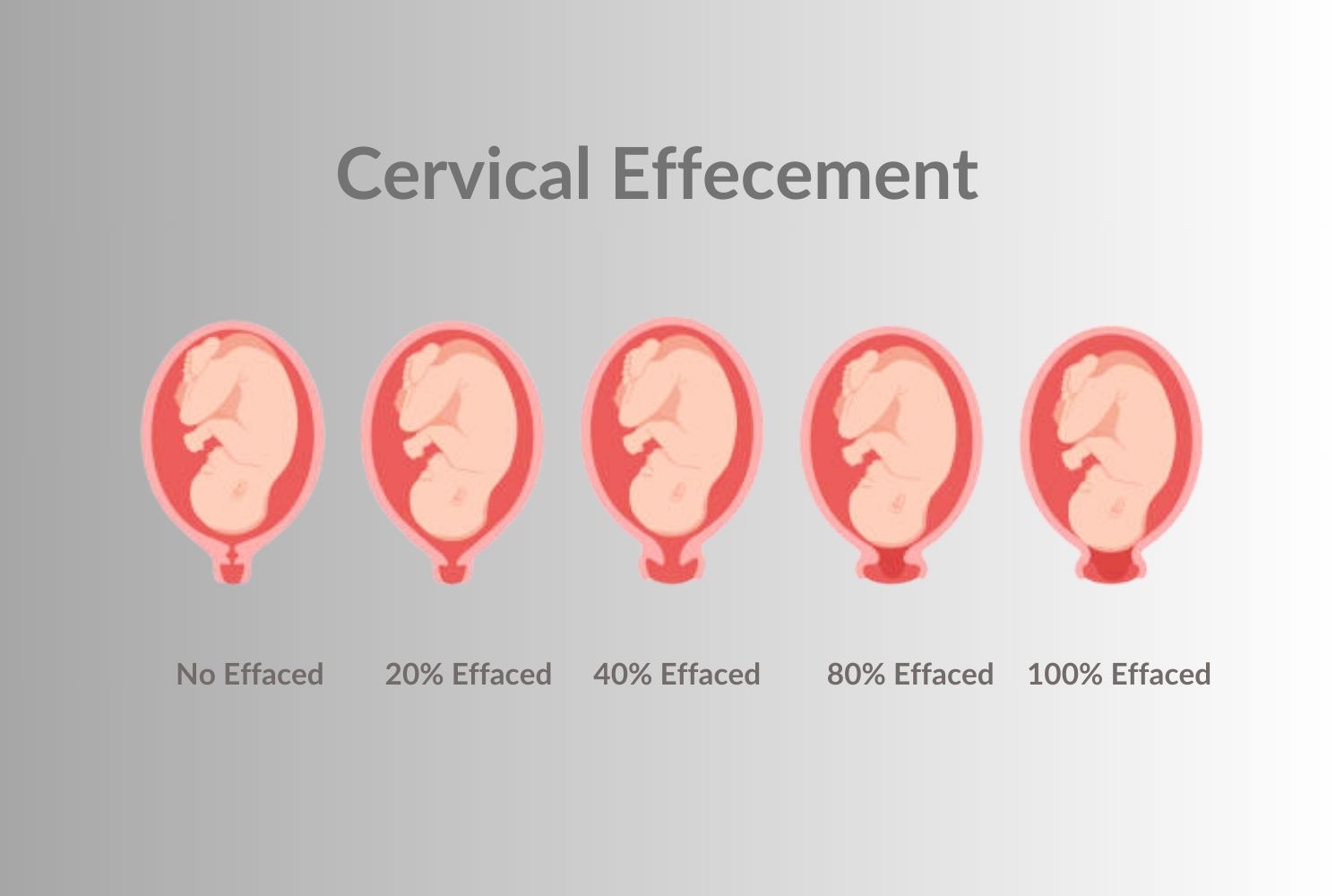
Cervical effacement refers to the thinning and shortening of the cervix as it prepares for labor. Measured in percentages, effacement progresses from 0% (no thinning) to 100% (completely thinned out and ready for delivery).
Effacement often occurs before significant dilation, especially for first-time mothers. For those who have given birth before, effacement and dilation can happen simultaneously.
How Dilation and Effacement Work Together
Both processes must occur for labor to progress smoothly.
- Effacement softens and shortens the cervix, making dilation easier
- Dilation opens the cervix to allow the baby to pass through
- Healthcare professionals assess both factors to determine labor progression
In clinical settings, cervical assessment is not based on a single measurement, but on how dilation and effacement progress together over time.
How Are Dilation and Effacement Measured?
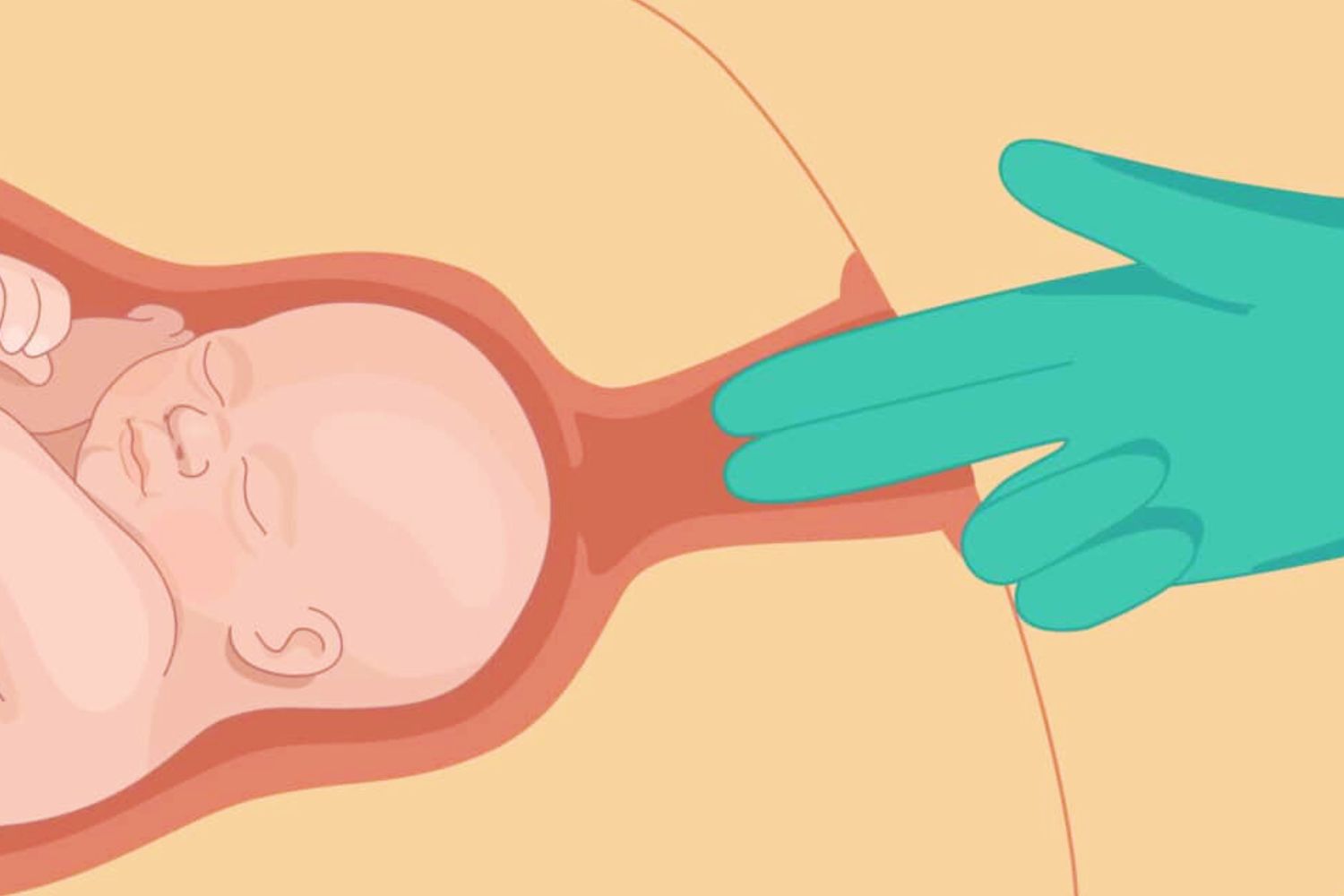
A common method for measuring cervical changes is through a manual vaginal exam, where fingers are used to estimate dilation in centimeters and effacement in percentages.
Finger Measurements for Cervical Dilation:
- 1 cm – One fingertip fits inside the cervix
- 2 cm – Two fingers barely fit
- 4-5 cm – Two fingers can be spread slightly apart
- 6-7 cm – Fingers can be spread wider
- 10 cm – Fully dilated and ready for delivery
Effacement Measurements:
- 0% effaced – The cervix is thick and long
- 50% effaced – The cervix has thinned to half its original size
- 100% effaced – The cervix is completely thinned out and ready for birth
Why Dilation and Effacement Are Difficult to Teach and Learn
Although dilation and effacement are fundamental to understanding labor progression, they are often difficult for learners to fully grasp using only charts or text descriptions.
Common challenges include:
- Cervical changes are three-dimensional, but often taught in 2D diagrams
- Effacement is harder to visualize than dilation
- Students may understand definitions, but struggle with real assessment interpretation
- Clinical confidence requires repeated visual + tactile exposure
In medical education, this gap between theory and practice is one of the most common learning barriers in obstetrics training.
Better Way to Understand Cervical Changes in Practice
To improve understanding of cervical dilation and effacement, many educators use hands-on teaching tools that visually demonstrate cervical changes throughout labor.
These tools help learners:
- Compare dilation stages more intuitively
- Understand effacement progression visually
- Connect theoretical knowledge with clinical assessment
- Improve confidence in labor evaluation
They are widely used in:
- Midwifery training programs
- Nursing education
- Childbirth education courses
- OB/GYN simulation training
👉 Explore Cervical Dilation Teaching Tools
Visualizing Cervical Changes with Medical Models
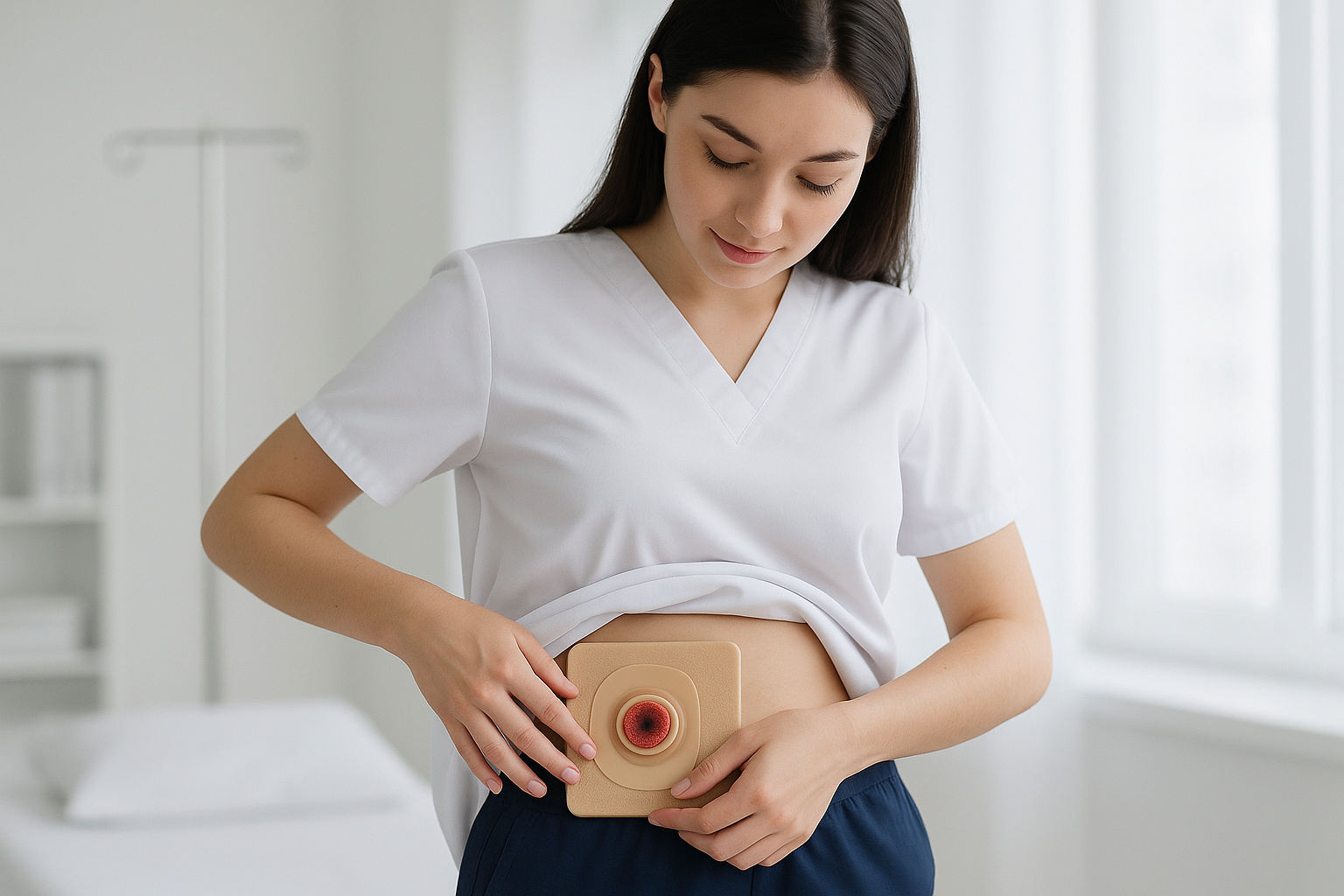
For healthcare professionals and medical students, hands-on training is essential for mastering cervical assessments. The Cervical Dilation and Effacement Model offers a detailed, step-by-step representation of cervical changes, making it an invaluable tool for:
- Midwifery and medical training programs
- Childbirth education courses
- Simulation-based learning
Conclusion
Understanding cervical dilation and effacement is crucial for recognizing labor stages and ensuring proper childbirth care. While charts and theoretical explanations provide foundational knowledge, hands-on teaching tools significantly enhance learning outcomes.
They help bridge the gap between theory and clinical practice, improving both education quality and patient communication.
.jpg?w=1000&h=1000)
.jpg?w=1000&h=1000)
.jpg?w=1500&h=1500)
.jpeg?w=1000&h=1000)
.jpg?w=1600&h=1600)
.jpg?w=1600&h=1600)
.jpg?w=1600&h=1600)
.jpg?w=1600&h=1600)
.jpg?w=1500&h=1500)
.jpg?w=1500&h=1500)
.jpeg?w=1000&h=1000)
.jpeg?w=1000&h=1000)
.jpg?w=1000&h=1000)
.jpg?w=1500&h=1500)
.jpeg?w=1000&h=1000)
.jpg?w=1000&h=1000)
.jpg?w=1000&h=1000)
.jpg?w=1000&h=1000)
.jpg?w=1000&h=1000)
.jpeg?w=1000&h=1000)
.jpeg?w=1000&h=1000)
.jpg?w=1000&h=1000)
.jpeg?w=1000&h=1000)
.jpeg?w=1000&h=1000)
.jpg?w=1000&h=1000)
.jpg?w=1000&h=1000)
.jpeg?w=1000&h=1000)
.jpeg?w=1000&h=1000)
.jpg?w=1000&h=1000)
.jpg?w=1500&h=1500)
.jpg?w=1500&h=1500)
.jpg?w=1000&h=1000)
.jpeg?w=1600&h=1600)
.jpeg?w=1600&h=1600)
.jpeg?w=1500&h=1500)
.jpeg?w=1500&h=1500)
.jpeg?w=1500&h=1500)
.jpeg?w=1500&h=1500)
.jpeg?w=1500&h=1500)
.jpeg?w=1500&h=1500)
.jpeg?w=1500&h=1500)
.jpeg?w=1500&h=1500)
.jpg?w=1000&h=1000)
.jpg?w=1000&h=1000)
.jpg?w=1000&h=1000)
.jpg?w=1000&h=1000)
.jpg?w=1600&h=1600)
.jpg?w=1600&h=1600)
.jpeg?w=1000&h=1000)
.jpg?w=1500&h=1500)
.jpg?w=1500&h=1500)
.jpg?w=1500&h=1500)
.jpg?w=1500&h=1500)
.jpeg?w=1000&h=1000)
.jpeg?w=1500&h=1500)
.jpg?w=1500&h=1500)
.jpg?w=1500&h=1500)
.jpeg?w=1000&h=1000)
.jpg?w=1000&h=1000)
.jpg?w=1000&h=1000)
.jpeg?w=1000&h=1000)
.jpg?w=1000&h=1000)
.jpeg?w=1000&h=1000)
.jpeg?w=1000&h=1000)
.jpeg?w=1000&h=1000)
.jpeg?w=1000&h=1000)
.jpeg?w=1000&h=1000)
.jpeg?w=1000&h=1000)
.jpg?w=1000&h=1000)
.jpg?w=1000&h=1000)
.jpeg?w=1000&h=1000)
.jpeg?w=1000&h=1000)
.jpeg?w=1500&h=1500)
.jpeg?w=1500&h=1500)
.jpeg?w=1600&h=1600)
.jpeg?w=1600&h=1600)
.jpeg?w=1500&h=1500)
.jpeg?w=1500&h=1500)
.jpeg?w=1500&h=1500)
.jpeg?w=1500&h=1500)
.jpeg?w=1500&h=1500)
.jpeg?w=1500&h=1500)
.jpeg?w=1500&h=1500)
.jpeg?w=1500&h=1500)